Clearance CLR-5694 · IND301
INDBIL
Finance & DealsClearance sheet
$25.8 Billion: The Pandemic Loans Pledged Against Your Miles
US carriers raised $25.8 billion against their loyalty schemes during COVID-19. United has unwound its deal; Delta and American have not, and members rank behind secured lenders.
Read-back
- US carriers raised approximately $25.8 billion against loyalty programmes during the pandemic, per DWU Consulting and Legal 500
- United raised $6.8 billion against MileagePlus, valued at about $21.9 billion, or twelve times 2019 EBITDA
- American raised $10.0 billion against AAdvantage; Delta's SkyMiles deal grew from $6.5 billion to $9.0 billion
- United prepaid its MileagePlus term loan in July 2024 and redeemed the notes in July 2025
- Delta and American still carried loyalty-secured debt as of 2026 and amended their structures that year
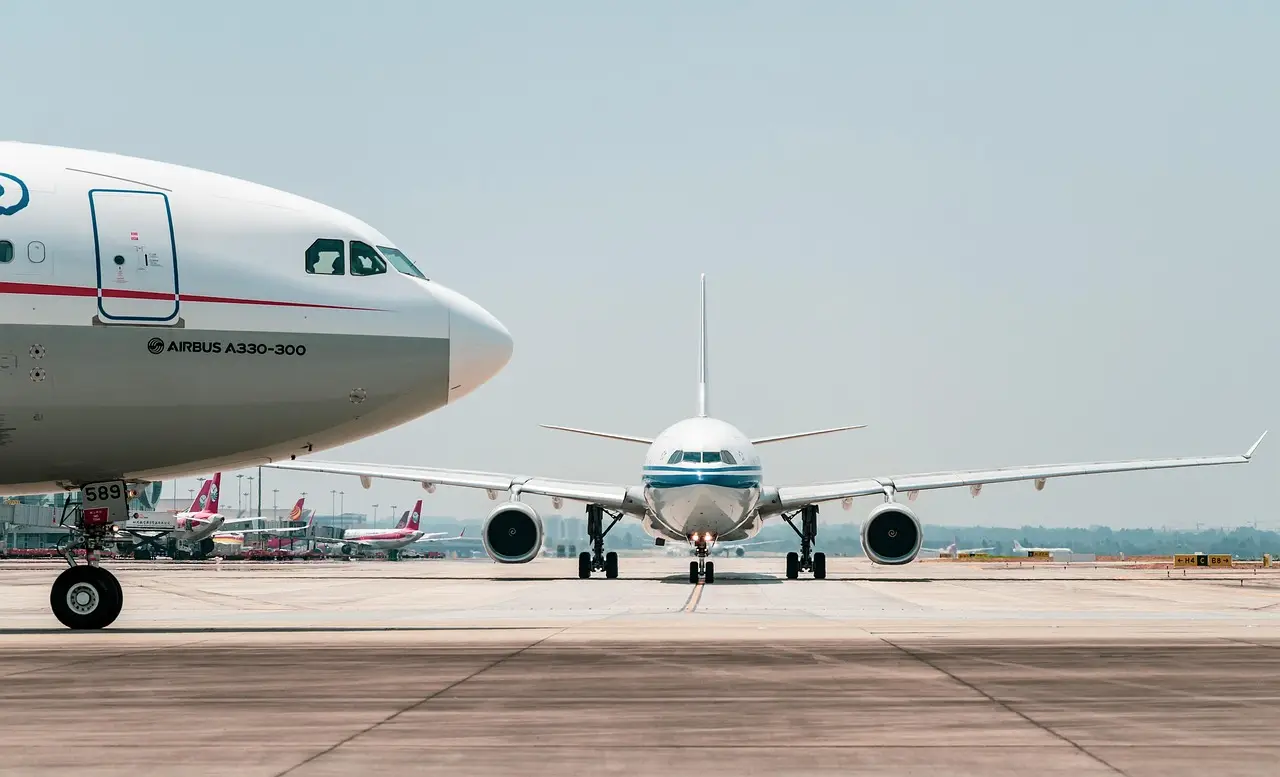
The three largest US carriers raised approximately $25.8 billion during the COVID-19 pandemic by pledging their frequent flyer programmes as loan collateral, according to DWU Consulting and Legal 500. Most members of those programmes were unaware the transactions had taken place. The arithmetic is worth pausing on: roughly $25.8 billion, or about $8.6 billion per carrier, borrowed against assets the passengers themselves supplied through years of accumulated miles.
How were the deals structured?
The transactions were considerably more involved than a straightforward loan. When United Airlines needed emergency financing in 2020, it did not simply pledge the MileagePlus brand in the conventional sense. A United Airlines Holdings filing with the US Securities and Exchange Commission shows that two newly created subsidiaries, MIPA and MPH, received transferred assets covering the programme's brands and member data. Those subsidiaries became the borrowing entities, with Goldman Sachs Lending Partners, Barclays Bank PLC and Morgan Stanley Senior Funding among the lenders holding security over the transferred assets.
The SEC filing records that United signed a commitment letter on 12 June 2020 for a term loan of up to $5.0 billion secured by MileagePlus. The airline ultimately raised $6.8 billion against the programme, as DWU Consulting and Legal 500 both confirm. The same filing shows United valued MileagePlus at approximately $21.9 billion, calculated by multiplying 2019 EBITDA by twelve.
American Airlines raised the largest of the three transactions: $10.0 billion secured against AAdvantage, according to DWU Consulting. Legal 500 reported that Delta initially sought $6.5 billion from its SkyMiles deal, which then grew to $9.0 billion.
Why do lenders value miles so highly?
A loyalty programme is, in financial terms, a business that sells miles to banks and retail partners and redeems them against flight inventory. It generates cash regardless of whether the airline is profitable. That property makes it attractive security for lenders who need certainty of repayment.
The scale of the financing becomes clearer in the SEC filing. United projected total available liquidity of around $17 billion by the close of Q3 2020, with the MileagePlus transaction at the centre of that calculation. A further $4.5 billion was expected to be accessible through the CARES Act Loan Program, secured against slots, gates and routes. The loyalty programme commanded a higher valuation than the airline's physical infrastructure. That fact speaks volumes about where lenders located the real value.
Delta and American pursued comparable approaches earlier in the crisis. Legal 500 reported that American raised $2.5 billion against its New York and Heathrow slots, followed by a further $1.2 billion backed by its brand and domestic slot portfolio. In April 2020, Delta had already secured $5 billion through bonds and loans collateralised against its slot holdings at New York airports and Heathrow, before turning to SkyMiles for the larger raise.
What do members actually own?
Here is the structural point that matters most to passengers. A member earns a contractual entitlement governed by the programme's terms and conditions, which the airline can amend. The member is not a creditor, and holds no security interest in the assets pledged to Goldman Sachs.
In a bankruptcy, secured lenders rank ahead of unsecured creditors, and passengers holding unredeemed miles typically fall into the unsecured category. The risk is not abstract. Edward Hasbrouck, writing for The Practical Nomad, reported that Spirit Airlines was the largest US-based carrier operating under bankruptcy protection as of 2025. Frequent flyer balances can become entangled when such collapses occur.
What has changed since 2020?
The pandemic-era deals were intended as temporary emergency structures, and some have been unwound. DWU Consulting reported that United retired its MileagePlus term loan through a prepayment in July 2024 and redeemed the notes in July 2025, returning the programme to its pre-pandemic structure.
Delta and American have moved more slowly. Both carriers still carried loyalty-secured debt as of 2026, and both amended their structures again that year, according to DWU Consulting. Unwinding transactions of this scale is a multi-year process, not a switch.
The verdict for members
Securitisation did not change what miles are worth today, and in most scenarios it never will. But it exposes a structural reality: frequent flyer programmes are worth more to lenders than passengers realise, and the legal framework prioritises financial creditors over member balances in a stress scenario. Miles sitting in an account hold no redemption value until spent, and the terms of spending remain at the airline's discretion. How Delta and American manage their remaining loyalty-secured debt in the coming years will indicate how airlines balance lenders and members when both occupy the same room.
via theaviationhub.co.uk (Source)
More from Grace Kim
Show full bio
News editor covering companies, deals and strategy in Commercial aviation industry coverage at Flightdeck Report.
608 articles
Same bay
- FDR582Azul draws R$1.3 billion BNDES loan, targets R$2.66 billion total · September 30, 2026
- FDR537Washington Warns €3 Billion EIB Loan to Airbus Risks Trade Truce · October 28, 2026
- FDR816Saudia Lines Up Airbus Financing as 150-Jet Order Talks Continue · September 30, 2026
- FDR800IATA flags 24% of airline financing debt as maturing within 12 months · October 19, 2026
- FDR824LCCs Fight for Spirit Slots; Alaska Expands Paine Field · September 26, 2026