Clearance CLR-7158 · AIR151
AIRSTA
Air CargoClearance sheet
26 States Sign UN Accra Convention on Negotiable Cargo Documents
Twenty-six states signed the UN Accra Convention in Ghana, creating the first harmonised legal framework for negotiable cargo documents across all transport modes, in paper and electronic form.
Read-back
- 26 states signed the Accra Convention at a ceremony in Accra, Ghana
- The convention is the first harmonised, technology-neutral framework for negotiable cargo documents across all transport modes
- FIATA tested the eFBL framework on Kazakhstan–China, China–Georgia and Turkmenistan–Romania routes
- The signing coincides with UNCITRAL's 60th anniversary
- Entry into force requires ratification; no date was given
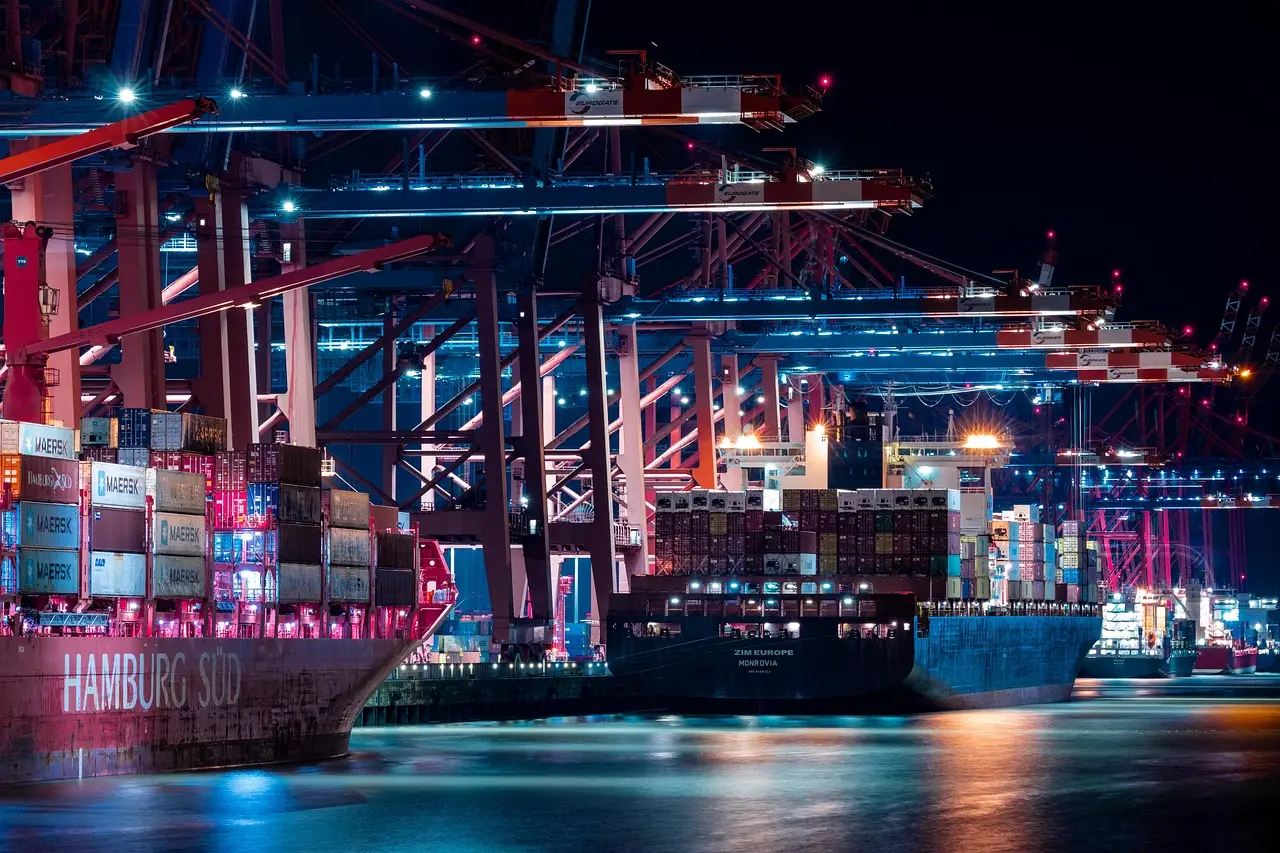
Twenty-six states signed the United Nations Convention on Negotiable Cargo Documents — the Accra Convention — at a ceremony in Accra, Ghana, opening for signature the first harmonised, technology-neutral legal framework covering negotiable cargo documents across road, rail, sea and air, in both paper and electronic form.
FIATA, the International Federation of Freight Forwarders Associations, welcomed the signing and called it a step toward a more connected, multimodal and digitally enabled global trading system. The convention is the product of drafting work under UNCITRAL, the UN Commission on International Trade Law, where FIATA contributed operational input alongside the Global Shippers Forum and the ICC Banking Commission.
The signing coincides with UNCITRAL's 60th anniversary.
What does the convention actually change?
It addresses a legal asymmetry. Modern shipments move by road, rail, sea and air across multiple jurisdictions, yet the legal ability to use negotiable cargo documents has historically attached to maritime transport. The convention extends that ability across all modes, in paper and electronic form.
FIATA argues the practical consequences are concrete: more flexible end-to-end transport, greater legal certainty and improved access to trade finance. The group singles out multimodal trade corridors and emerging and landlocked economies, where market access depends on efficient hinterland connections.
"Today marks an exciting milestone for global trade," Dr Stéphane Graber, FIATA Director General, said. "The Accra Convention reflects how goods actually move today: across modes, borders and increasingly important trade corridors. It creates new possibilities for businesses, particularly in emerging and landlocked markets where efficient multimodal connectivity is essential."
Graber also noted what happens next: "Through the FBL and eFBL, our industry already has established solutions that can put the Convention in practice from day one. We look forward to working with governments, our members and partners worldwide to turn this important legal framework into real opportunities for trade."
The paperwork already exists
The claim of day-one readiness rests on two instruments. The FIATA Multimodal Transport Bill of Lading (FBL) has served for decades as an established negotiable multimodal transport document. Its digital successor, the FIATA eFBL, carries that function into electronic form. Together, FIATA says, they provide ready-to-use solutions for NCDs and e-NCDs from the day the convention enters into force.
That readiness is not purely theoretical. FIATA has run real transactions testing the NCD framework with the eFBL on international routes:
- Kazakhstan–China
- China–Georgia
- Turkmenistan–Romania
The trials spanned rail and multimodal transport and included trade financing, which FIATA presents as evidence that negotiable electronic documentation works in live supply chains rather than only in principle.
Who signed?
The 26 signatory states at Accra: Burkina Faso, Guinea, Cabo Verde, Guinea-Bissau, China, Mauritania, Comoros, Nicaragua, Côte d'Ivoire, Nigeria, Cuba, Pakistan, the Democratic Republic of the Congo, Rwanda, Djibouti, Saudi Arabia, Dominica, Sierra Leone, the Dominican Republic, South Sudan, Gabon, Tanzania, The Gambia, Togo, Ghana and Venezuela.
FIATA reports that further states are expected to sign imminently, subject to completion of required diplomatic procedures.
Signature is not entry into force
What the announcement does not say is when the convention takes legal effect. Signature opens the ratification clock; entry into force requires the deposit of ratifications, a process that for comparable UN trade instruments has taken years. Until that threshold is met, freight forwarders, banks and shippers operate under the existing patchwork, where negotiable documents remain anchored to maritime law.
The commercial pitch also deserves scrutiny. FIATA stresses that the convention builds on existing practice rather than imposing a theoretical model — a fair point given the eFBL pilots — but the pilots covered three corridors, and none involved a major Western trading partner. Scale, bank acceptance and cross-border recognition remain untested at volume.
For MSMEs and landlocked economies, the convention promises access to trade finance through documents banks can pledge. Whether that promise converts depends on ratification timelines and on banks' willingness to accept electronic negotiable documents at scale — questions the Accra ceremony left open.
via Google News: Air cargo (Source)
More from James Calloway
Show full bio
Staff writer covering people, launches and day-to-day practice in Commercial aviation industry coverage at Flightdeck Report.
611 articles
Same bay
- FDR679FIATA launches 2026 Market Report for freight forwarding sector · October 9, 2026
- FDR710Bengaluru–Vancouver Airport Pact Targets Cargo, Digital Systems · October 19, 2026
- FDR508IATA Sets Out Three Priorities for Air Cargo · October 14, 2026
- FDR187ICAO States Set Course for Air Cargo's Sustainable Growth · October 19, 2026
- FDR413SATS signs MoU with Tocumen to expand Panama cargo operations · October 10, 2026