Clearance CLR-2282 · IND505
INDOFC
Finance & DealsClearance sheet
41% of Commercial Aircraft Are Leased, and the Share Is Rising
Roughly 41% of the world's commercial aircraft are leased, a share that understates the sector's hold on fleet value as supply constraints shift power to lessors.
Read-back
- Approximately 41% of the world's commercial aircraft are leased, representing an even greater share of fleet value.
- Lessors became essential to airline restructuring during COVID-19 through rent deferrals and contract renegotiations.
- Manufacturing and engine supply constraints have extended aircraft operational lives and raised demand for leased capacity.
- Higher asset values, lease rates, financing costs and residual-value exposure now challenge both lessors and airlines.
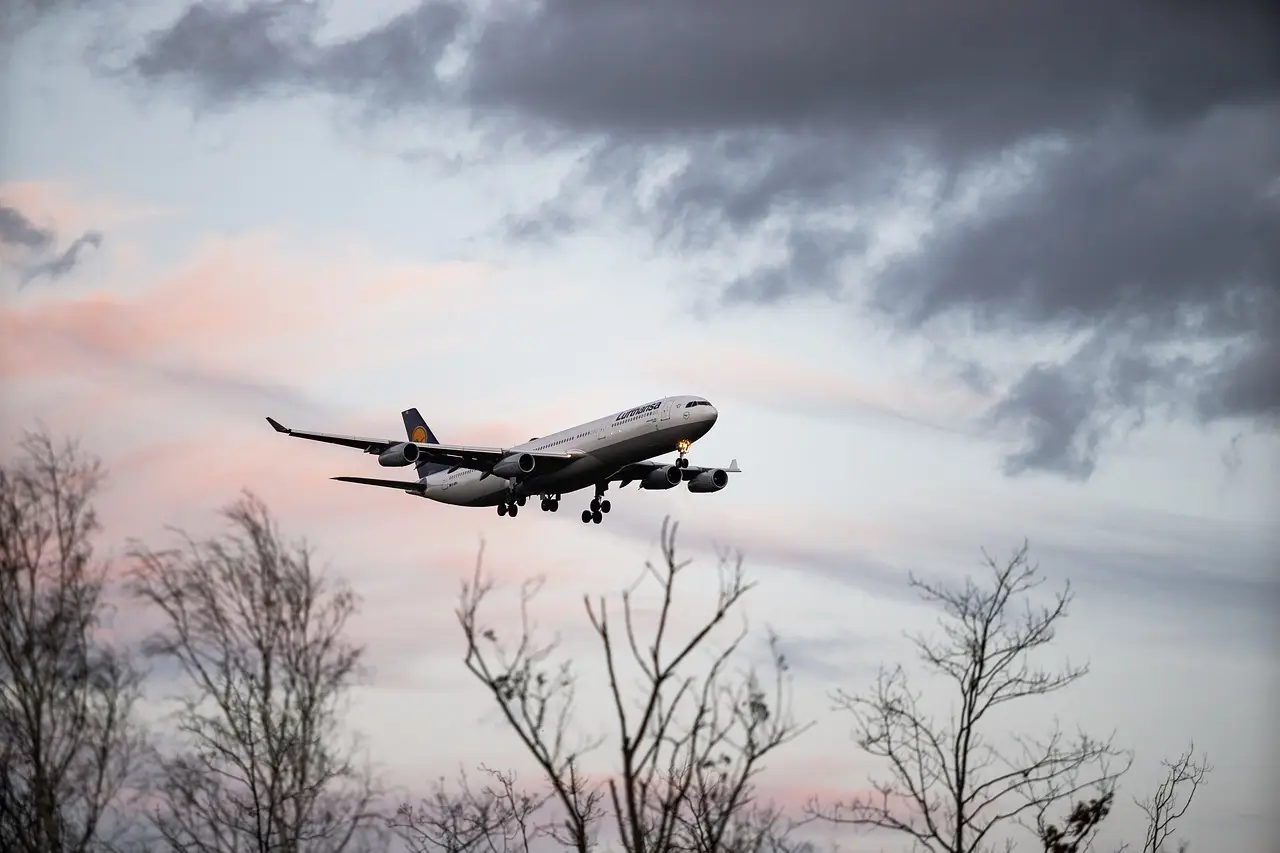
Approximately 41% of the world's commercial aircraft are now leased, and that fleet share understates the sector's weight: leased aircraft represent an even greater proportion of global fleet value. The figure anchors a structural shift in how airline capacity is financed, supplied and redistributed across markets — a shift accelerated by post-pandemic supply constraints rather than by airline preference alone.
From financing tool to capacity mechanism
Aircraft leasing began primarily as a means of financing fleet expansion while preserving airline capital. That function has expanded. Leasing now operates as a fundamental mechanism through which capacity is supplied, managed and moved between global markets, according to an industry analysis of the sector's growing influence.
The COVID-19 crisis tested and ultimately reinforced the sector's position. Lessors became essential participants in airline restructuring, providing rent deferrals, renegotiating contracts and helping carriers absorb unprecedented reductions in demand. The recovery that followed changed the balance of the relationship between the two sides of the market.
What does this change for airlines?
The practical question for carriers is what access to aircraft now means relative to ownership decisions. The answer, on the evidence of the current cycle: everything. Persistent manufacturing and engine supply constraints have restricted new deliveries and extended the operational lives of existing aircraft. Demand for leased capacity has risen accordingly. For airlines, access to aircraft has become as important as the decision to own or lease them — a reversal of the traditional calculus in which ownership strategy drove fleet planning.
The constraint is not temporary friction. It has pushed older airframes into longer service, tightened the pool of available leased capacity and made lessors gatekeepers of near-term network growth.
Market structure under strain
The leasing market itself is evolving. Several instruments now coexist within airline fleet strategies:
- Operating leases remain central, giving airlines capacity without balance-sheet ownership.
- Sale-and-leaseback transactions (an airline sells owned aircraft to a lessor and leases them back) remain a core liquidity and fleet tool.
- Wet leasing (aircraft supplied with crew and maintenance) provides flexibility when capacity or technical availability is constrained.
- Engine leasing has grown as a separate market, responding to powerplant shortages and shop-visit backlogs.
The economics, however, cut both ways. Higher asset values, rising lease rates, increased financing costs and residual-value exposure (the risk of an aircraft's future worth falling short of expectations) now create challenges for lessors and their airline customers alike. Airlines face more expensive capacity; lessors face concentrated exposure to asset values inflated by scarcity.
Capital, manufacturers and airlines
As aviation enters another period of fleet expansion, the leasing industry will play an increasingly influential role in determining how that growth is financed and delivered. The measure of a lessor's strategic importance has shifted: it is no longer simply the number of aircraft it owns, but its ability to connect capital, manufacturers and airlines in a market where new capacity cannot always be delivered when required.
That intermediary position gives lessors leverage over delivery-slot allocation, transition timing and the secondary market in mid-life aircraft. It also concentrates risk: residual-value exposure across large portfolios, and dependence on manufacturer output that the lessors themselves do not control.
With supply-chain constraints still limiting deliveries and engine availability, the leased share of the global fleet appears set to grow further before OEM output recovers.
via CAPA News (Source)
More from Priya Raman
Show full bio
Market editor covering money, funding and market shifts around Commercial aviation industry coverage at Flightdeck Report.
591 articles
Same bay
- FDR629Boeing Forecasts Africa's Airline Fleet Doubling by 2045 · October 9, 2026
- FDR898Capacity discipline becomes aviation's new test as growth slows · October 26, 2026
- FDR800IATA flags 24% of airline financing debt as maturing within 12 months · October 19, 2026
- FDR212One-fifth of India's airline fleet grounded as supply chain strains persist: ICRA · October 10, 2026
- FDR541Bain Capital Bets on Rising Sustainable Aviation Fuel Demand · October 10, 2026