Clearance CLR-7746 · AIR739
AIRADA
Air CargoClearance sheet
Adani Russia embargo strands Indian exports, cargo capacity tightens
The Adani Group has imposed an embargo on Russia-linked air cargo at its Indian airport facilities, The Loadstar reported, leaving exporters to scramble for alternative routings and accept elevated rates.
Read-back
- Adani Group imposed an embargo on Russia-linked shipments at its Indian airport facilities, The Loadstar reported
- Adani is India's largest private airport and port operator, with concessions including Mumbai, the country's second-busiest airport
- Adani Group entities have faced sustained US legal and regulatory scrutiny in recent years
- Shippers must reroute through non-Adani gateways, primarily Delhi's Indira Gandhi International
- Western secondary sanctions on Russia tightened steadily from 2022 onward
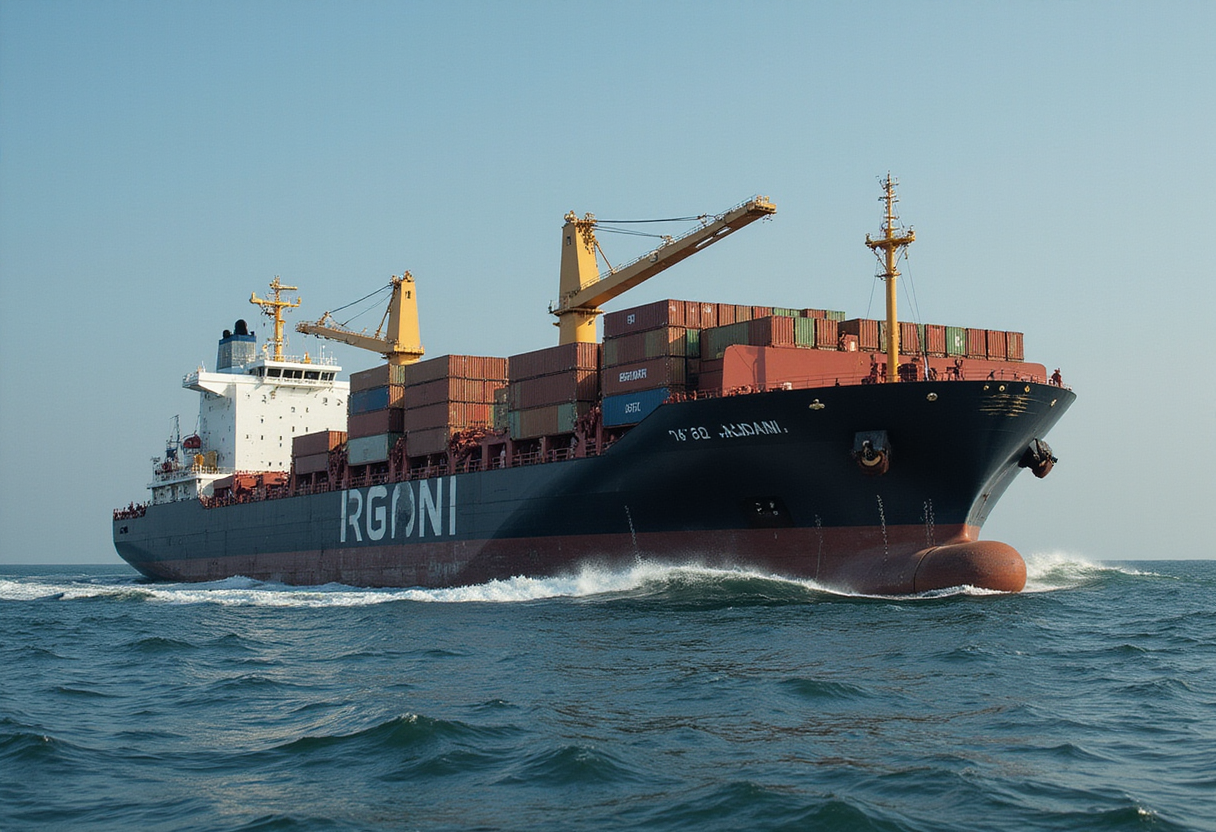
Indian air cargo operators are scrambling to redirect Russia-bound freight after the Adani Group imposed an embargo on Russia-linked shipments at its airport facilities, freight publication The Loadstar reported in a dispatch headlined "Exports stranded as Adani Russia-embargo creates Indian air cargo chaos."
The Loadstar's headline points to a critical choke point in India's export supply chain. Adani, the country's largest private airport and port operator, holds long-term concessions over several major gateways, including Mumbai, India's second-busiest airport. The group's policy decision carries immediate system-wide consequences for shippers moving goods between South Asia, Russia, the Commonwealth of Independent States, and onward connections to Europe.
What does the Adani Russia embargo mean for shippers?
The Loadstar's framing — "stranded" exports and "chaos" — suggests the embargo closes a routing option at a moment when Indian air cargo runs close to capacity and Indian airlines continue rebuilding long-haul international schedules. India has emerged as a major exporter of pharmaceuticals, electronics, automotive components and apparel, all categories that depend on air freight for time-sensitive delivery to European and CIS markets.
Indian shippers historically relied on Russian overflights to shorten transit to Europe, a routing that bypassed longer Middle Eastern corridors. With Adani's network off-limits to Russia-linked cargo, shippers must either reroute through non-Adani airports, switch to alternative carriers, or accept longer sea-air combinations that add a week or more to typical door-to-door times.
Why did Adani impose the embargo?
The Loadstar's headline does not specify the trigger, but the most plausible drivers are sanctions compliance and corporate risk management. Adani Group entities have faced sustained US legal and regulatory scrutiny in recent years, sharpening the group's sensitivity to any Russia exposure as Western secondary sanctions tighten.
A blanket embargo on Russia-linked cargo at Adani-operated facilities is a defensible posture for a conglomerate that holds long-term airport concessions, runs ports handling defense and energy cargo, and lists on Indian and US exchanges. The policy also shields the group from the reputational and legal fallout that has hit Western logistics companies with Russian exposure since 2022.
Where do Indian exporters turn?
Shippers with Russia or CIS destinations must reroute through non-Adani airports, of which Delhi's Indira Gandhi International — operated by a GMR-led consortium — is the country's largest cargo gateway. Air India, fresh from its merger under Tata Group ownership, and the integrators (DHL, Blue Dart, FedEx, UPS) are positioned to absorb the redistributed tonnage, alongside Indian carriers rebuilding long-haul capacity on aircraft that remain constrained by Boeing and Airbus delivery delays.
Sea-air combinations — where goods move by sea to a Gulf or Mediterranean hub before flying onward — remain a fallback for non-urgent cargo, but the longer transit times make them unworkable for pharmaceuticals and perishable goods.
How long will the disruption last?
The Loadstar's reporting implies the situation is structural rather than transient. Until alternative routings stabilize and corporate compliance departments finalize guidance for shippers, Indian exporters should expect elevated air-freight rates, longer lead times and tighter capacity on Russia-related lanes, with knock-on effects on Europe and Central Asia delivery commitments through at least the next quarter.
via Google News: Air cargo (Source)
More from Priya Raman
Same bay
- FDR616Adani suspends Russia-bound air cargo at eight airports, stranding 150 tonnes · October 9, 2026
- FDR203Adani Airports Halt Russia-Bound Export Cargo, 150 Tonnes Delayed · October 9, 2026
- FDR345Adani Airports suspends Russia-bound cargo, 150 tonnes held up · October 9, 2026
- FDR998SAS Cargo Hires Allied Aviation as India Cargo Sales Agent · September 29, 2026
- FDR816SAS Cargo hands India sales mandate to Allied Aviation · September 30, 2026