Clearance CLR-2512 · AIR663
AIRAFR
Airlines & NetworksClearance sheet
Africa World Airlines Takes First E190, Eyes Fleet of Ten
Africa World Airlines received its first 102-seat Embraer E190 in Accra on September 19, 2026, and targets up to ten aircraft as it rebuilds West African connectivity around its hub.
Read-back
- First Embraer E190 delivered to AWA in Accra on September 19, 2026
- E190 configured with 102 seats, more than double the 50-seat ERJ-145
- AWA targets up to ten E190s within 18 to 24 months; second aircraft due by end of 2026
- Accra–Abidjan service resumed August 31, 2026, operating four times weekly
- COO Sohail Mahmood outlined the strategy at the Aviation Africa Summit in Nairobi, September 9–10, 2026
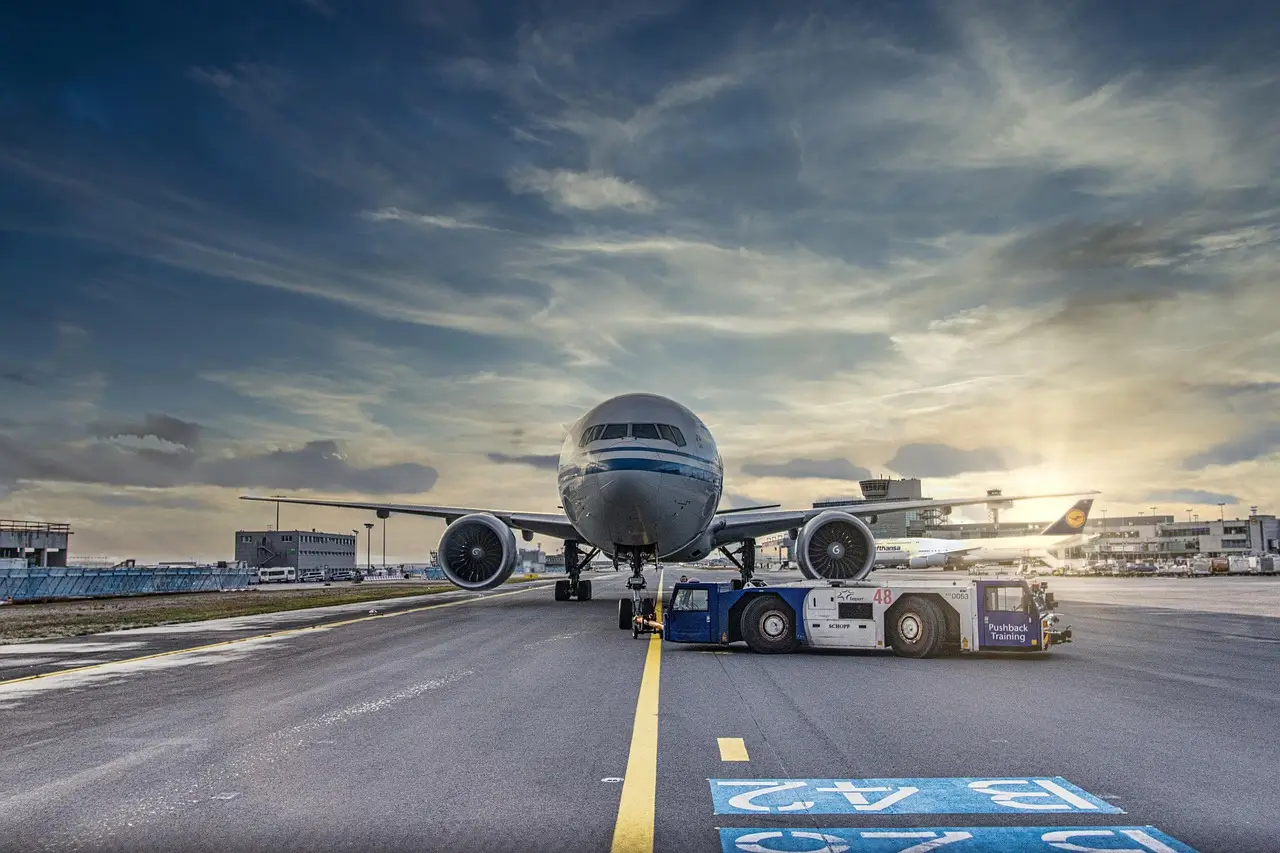
Africa World Airlines received its first Embraer E190 in Accra on September 19, 2026, more than doubling the per-aircraft capacity of a fleet built on the 50-seat ERJ-145. The 102-seat jet anchors a plan that, according to Chief Operating Officer Sohail Mahmood, could grow to as many as ten E190s within 18 to 24 months.
A second aircraft is expected before the end of 2026. That is a modest fleet by global standards, but it is a significant bet for a Ghanaian regional carrier whose strategy rests on a proposition Mahmood made explicit at the Aviation Africa Summit in Nairobi, held September 9 and 10, 2026.
"What we really need to do in West Africa, I think Africa as a whole, is to ensure that connectivity is consistent and reliable," Mahmood told AeroTime.
Reliability, in his framing, outranks size. The arithmetic supports the emphasis. One E190 carries 102 passengers against 50 on the ERJ-145, yet West African demand is spread across numerous cities where routes may not justify a larger narrowbody on a daily schedule.
What changed at the network level?
The fleet decision follows a shift in how AWA builds its route map. On August 31, 2026, the airline resumed Accra–Abidjan flights, suspended since the COVID-19 pandemic, operating four times weekly on Mondays, Wednesdays, Fridays and Sundays. The relaunch was not automatic. Mahmood said the airline reassessed whether the route still warranted its own metal.
"What was maybe a need in the past may not be a need today because it's served by a competitor or a partner airline," he explained.
That logic produced a hub-and-spoke model centered on Accra, replacing an earlier approach of connecting as many points as the small fleet allowed. Mahmood was candid about the trade-off.
"In the past it was a little bit different, where we tried our best to connect as many locations as possible with the fleet types and size that we had to ensure that Africans had some option," he said.
More air services now exist across the region, which allows AWA to concentrate on dependable connections rather than thin coverage. The E190, in Mahmood's view, is the logical successor to the ERJ-145: enough additional capacity to open new revenue streams and underserved destinations, without committing to seats the market cannot fill daily.
How large is too large?
Mahmood dismissed the appeal of flagship aircraft as a matter of discipline rather than ambition.
"It is every COO's or CCO's dream to have a larger aircraft that can go from point A to point B and showcase the world what the airline is capable of," he said. "But we have to be smart at some point."
His verdict on fleet strategy was characteristically blunt. "We have a vision, and to accomplish that vision, it doesn't have to be the most spectacular, but the most realistic option."
Where does the network go next?
Expansion beyond West Africa is sequenced, not simultaneous. Mahmood's immediate objective is linking major coastal cities through Accra, combined with the domestic network and existing commercial partnerships.
"There's no point dreaming continental Africa or worldwide before you've served your home, which is West Africa," he said.
Central and East Africa are the next regions under study. In Southern Africa, interline partnerships could extend AWA's reach without the carrier operating every route itself. The long-term goal, in his words, is "a web network that ensures that Africans are connected across this giant continent," while addressing the high cost of air travel in Africa.
The COO's own route
Mahmood's path to the executive suite began in the cockpit. A childhood ambition to fly led to aviation roles in Southern Africa and a position in United Airlines' training department, including work on Boeing 787 flight simulators. He then moved through airfield operations, airline operations, flight schools and technical training organizations before reaching management.
"It was always to see what more could I give back to an industry that I truly love, whatever facet that may be," he said.
His advice to those entering aviation is similarly practical. "Don't look at aviation as a one-stop shop for one particular type of career," he said. "Look at [it] as a very big industry that has a lot to offer."
For now, the measure of AWA's plan is concrete: one E190 delivered, a second due within months, and a regional map being rebuilt one reliable frequency at a time.
via timesaerospace-registrations.com (Original)
More from Grace Kim
Show full bio
News editor covering companies, deals and strategy in Commercial aviation industry coverage at Flightdeck Report.
527 articles
Same bay
- FDR908Ethiopian Airlines Prepares 100-Plus Aircraft Order · September 28, 2026
- FDR629Boeing Forecasts Africa's Airline Fleet Doubling by 2045 · October 9, 2026
- FDR728Uganda Airlines places first Boeing order with eight-jet deal · September 30, 2026
- FDR680Ghana and Boeing Explore Regional MRO Hub in West Africa · September 27, 2026
- FDR372Airlink Adds Flights and New Routes for Summer and Christmas Peak · October 19, 2026