Clearance CLR-6512 · AIR737
AIRAIR
Airlines & NetworksClearance sheet
Air Algérie restores twice-weekly Algiers-Tripoli service
Air Algérie restarted twice-weekly Algiers–Tripoli flights on Oct. 28 after a nearly 12-year hiatus, with Libya’s transport ministry saying 2015 ICAO airspace restrictions have been lifted.
Read-back
- Air Algérie resumed direct Algiers–Tripoli flights on Oct. 28 after nearly 12 years.
- Two weekly round trips are scheduled for Wednesdays and Fridays.
- Libya’s transport ministry says ICAO airspace restrictions imposed in 2015 have been lifted.
- The first resumed flight arrived at Mitiga from Houari Boumediene International Airport.
- Many international airlines suspended Libyan service during the 2014–2020 civil war.
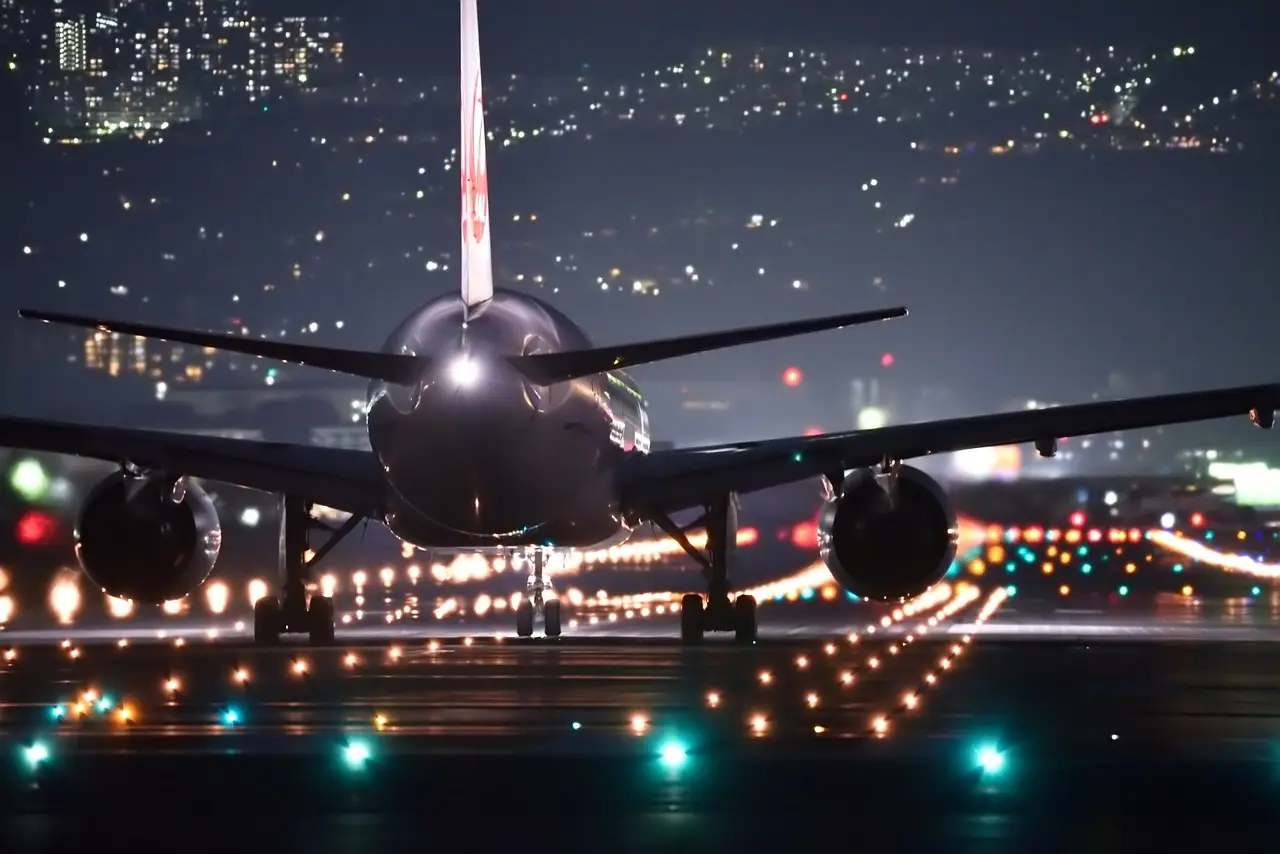
Air Algérie, Algeria’s national carrier, began twice-weekly round-trip service between Algiers and Tripoli on October 28, ending a nearly 12-year suspension. The first resumed aircraft arrived at Tripoli’s Mitiga International Airport from Houari Boumediene International Airport in Algiers.
Libya’s Government of National Unity media office said the carrier would operate “two flights a week for now.” Round-trip flights are scheduled for Wednesdays and Fridays between the two airports, a narrow reopening rather than a restoration of the wider Libyan network.
Why did flights stop for 12 years?
Many international airlines suspended flights to and from Libya during the six-year civil war from 2014 to 2020. Some airlines returned after a 2020 ceasefire largely stopped the major clashes, but efforts to resolve the political crisis have continued without success.
Rival administrations in eastern and western Libya still compete for control of the country’s economic resources. That division has not prevented the Algeria-Libya link from returning, but it leaves the route exposed to the political uncertainty behind the original shutdown.
What did the airspace ruling change?
Libya’s Transport Ministry said the airspace restrictions imposed in 2015 by the UN’s International Civil Aviation Organization have been lifted. The ministry said the service forms part of Tripoli’s efforts to “strengthen cooperation with Algeria and solidify the bonds between the two countries.”
In practical terms, the ministry’s statement removes the regulatory obstacle cited in the announcement. The Oct. 28 arrival establishes that an aircraft has flown the route after that change, while the Wednesday and Friday timetable remains the forward commitment.
The announcement cites the removal of the 2015 airspace restrictions, not a new aircraft certificate or type-certification milestone. An operating aircraft and a stated schedule are facts; sustained operations still require evidence.
The Government of National Unity media office posted photographs of a reopening ceremony at Mitiga International Airport, the capital’s primary civil and international airport. The images showed an Air Algérie aircraft, providing a visible marker of the route’s return but no measure of passenger uptake.
Neither the ministry nor the media office disclosed the aircraft type, seat capacity, fare levels or load factors for the Oct. 28 service. Those omissions matter because an aircraft’s presence proves service has begun, not that its economics work.
How much capacity is returning?
Two weekly round trips equate to four directional flight movements each week, assuming both outbound and inbound sectors operate as scheduled. That frequency restores a direct corridor but offers passengers only two weekly departure options from each city.
For Air Algérie, the restart adds four weekly flight movements and another international network point. The announcement discloses no ticket prices, operating costs or financial-support terms, so it does not establish whether the route is commercially self-supporting.
For passengers, the service replaces a 12-year absence with a narrow timetable, limiting the usefulness of connections built around departures on two fixed weekdays. A direct link is useful. Four weekly movements are not yet a broad network.
Could other airlines follow?
Air Algérie’s return supplies an operating precedent for other carriers, supported by the transport ministry’s statement that ICAO restrictions have been lifted. The 2020 ceasefire, which already prompted some airlines to return, provides a second reason to reconsider Libya.
The announcement includes no commitments from other airlines, no demand forecast and no timetable beyond Air Algérie’s two weekly round trips. The unresolved contest between eastern and western administrations leaves a practical risk that political disruption could interrupt growth.
One carrier’s return after 12 years shows that a route can reopen; it does not show that a market large enough for several airlines exists. Broader growth would require sustained operations, demonstrated passenger demand and continued regulatory access.
The next checkpoint is straightforward: whether the Wednesday and Friday flights maintain their timetable through Libya’s continuing political uncertainty. A wider return remains conditional on those operations proving durable.
via travelradar.aero (Source)
More from Grace Kim
Show full bio
News editor covering companies, deals and strategy in Commercial aviation industry coverage at Flightdeck Report.
640 articles
Same bay
- FDR587Libya’s ICAO Airspace Restrictions End as Transit Permits Surge · October 30, 2026
- FDR967ICAO lifts Libya restrictions as monthly permits reach 61,968 · October 30, 2026
- FDR601Wizz Air delays Abu Dhabi return to January 2027 as EASA flags Jordan risk · October 10, 2026
- FDR293Aegean Airlines to launch Damascus flights in December · October 8, 2026
- FDR756Ethiopian suspends Tigray flights after TPLF seizes Mekelle airport · October 9, 2026