Clearance CLR-6237 · AIR216
AIRAIR
Air CargoClearance sheet
Air Cargo Enters a Higher-Cost Era as Jet Fuel Fears Ease
Jet fuel fears have eased, but air cargo has settled into a structurally higher-cost era, with freight rates staying above pre-crisis levels despite softer fuel surcharge pressure.
Read-back
- Jet fuel fears that drove air cargo surcharge spikes have receded, per The Loadstar.
- Air cargo has settled into a structurally higher-cost era despite easing fuel pressure.
- Freight rates remain above pre-crisis levels even as fuel-driven surcharge pressure softens.
- Fuel surcharges no longer dominate shipper cost pressure, but the overall cost baseline has shifted upward.
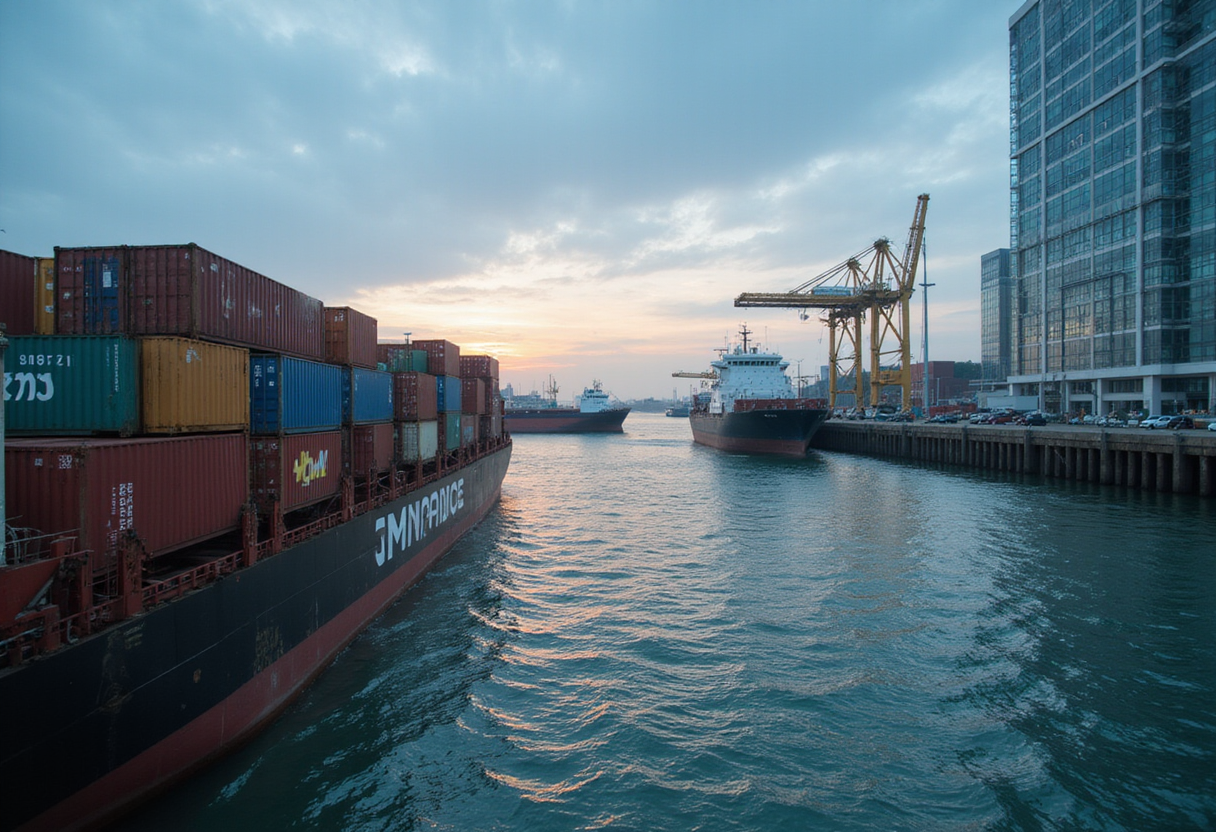
Jet fuel fears that drove surcharge spikes across air freight have receded — but the cargo market is not returning to its pre-crisis cost structure, according to a Loadstar analysis of current market conditions.
The core finding is straightforward: the fuel-driven component of air cargo pricing has softened, yet overall freight costs remain above the levels shippers had grown accustomed to before the disruptions of recent years. Carriers and forwarders describe an industry that has settled into a structurally more expensive operating baseline rather than a temporary peak awaiting reversal.
What does the receding fuel fear actually change?
Fuel surcharges, which airlines adjust periodically in line with jet fuel prices, are the most visible link between energy markets and freight rates. When jet fuel spiked, carriers passed the cost through rapidly. With those fears now easing, the surcharge pressure that shippers faced at the height of the fuel escalation is no longer the dominant driver of their bills.
But the analysis indicates the relief stops there. The underlying cost base of air cargo — capacity, handling, and rates themselves — has shifted upward, and the market is described as having entered a "higher-cost era" rather than a cycle waiting to mean-revert.
Why don't rates fall back with fuel?
The Loadstar's framing points to a decoupling: fuel was one input pushing costs up, but it was never the only one. With the fuel scare fading, the remaining cost pressure reflects structural conditions in the air freight market — the balance between available belly and freighter capacity and sustained demand for air cargo services.
That leaves shippers in a different negotiating position than in a classic downturn. The headline anxiety around jet fuel has gone, yet the invoices have not returned to their old levels. For forwarders and shippers, budgeting for air freight now means planning around a floor that sits higher than historical norms.
What does this mean for shippers and carriers?
For shippers, the practical consequence is that waiting for fuel markets to deliver rate relief is unlikely to work. The cost era has reset, and procurement strategies built on pre-crisis benchmarks may misjudge the market's actual level.
For carriers, the picture is more favorable: input-cost anxiety has eased while freight economics remain firmer than in the oversupplied years. That combination supports yields, at least while capacity discipline holds.
The Loadstar's account is a market assessment rather than a dataset, and readers will want to test its thesis against scheduled rate indices and carrier yield disclosures in the coming quarters. But its central claim is clear: jet fuel has stopped being the thing air cargo fears most, and the sector has accepted that its costs — and by extension shippers' costs — now rest on a permanently higher plane.
via Google News: Air cargo (Source)
More from Sophie Lindqvist
Show full bio
Senior reporter covering industry trends and analytics at Flightdeck Report.
399 articles
Same bay
- FDR268Iran Conflict, Higher Oil Prices Could Accelerate Airline Fleet Renewals · September 28, 2026
- FDR119Airfreight Rates Hold Firm as Peak Season Approaches · September 28, 2026
- FDR830Air cargo prices and capacity hold as traffic eases: snapshot · October 9, 2026
- FDR115Surging ATF Prices Put Airline Routes at Risk as West Asia Crisis Bites · October 10, 2026
- FDR505Air Cargo Tonnage Slips as Rates Climb Ahead of China Golden Week · October 10, 2026