Clearance CLR-2841 · MRO352
MROAIR
MRO & AftermarketClearance sheet
Airbus and Air France Launch A350 Component Venture Backing 500+ Jets
Airbus and Air France-KLM have launched Alpha Component Solutions, a component-pooling joint venture already covering more than 500 aircraft across a 737-jet A350 fleet with 1,624 more on order.
Read-back
- Airbus has delivered 737 A350s and holds orders for 1,624 more
- The joint venture Alpha Component Solutions already contractually supports over 500 aircraft
- Singapore Airlines is the largest A350 operator with 65 aircraft, ahead of Qatar Airways on 64
- The venture combines Airbus Flight Hours Services with AFI KLM E&M
- The first A350 entered service in 2015 with Qatar Airways
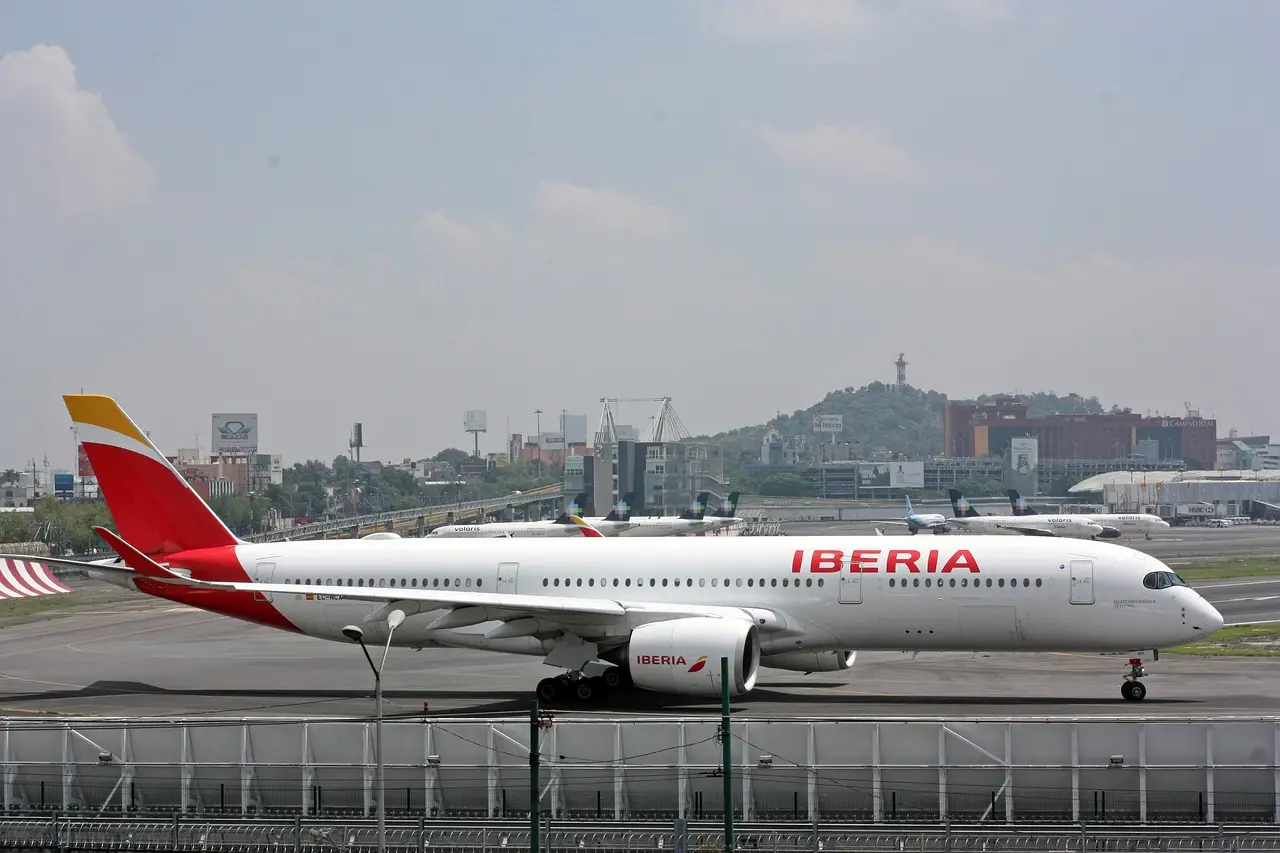
Airbus has delivered 737 A350s since the type entered service in 2015, and the manufacturer still holds orders for 1,624 more — a backlog that now has its own component-support company. Airbus and Air France-KLM have launched a joint venture, Alpha Component Solutions, to run a worldwide shared-access pool of A350 component assets, maintenance services, supply chain management and repairs for operators of the twinjet.
The venture merges two existing support operations: Airbus' Flight Hours Services (FHS) and Air France Industries KLM Engineering & Maintenance (AFI KLM E&M). According to the two parent companies, the combined entity already contractually supports more than 500 aircraft, and both sides argue that a rapidly growing A350 market demands more capacity than either partner could supply alone.
Who runs the world's biggest A350 fleets?
The customer base the venture is targeting is concentrated among long-haul carriers. The largest A350 operators by aircraft in fleet, according to ch-aviation data cited with the announcement:
- Singapore Airlines — 65
- Qatar Airways — 64
- Cathay Pacific — 48
- Air France — 43
- Delta Air Lines — 42
- Turkish Airlines — 35
- Lufthansa — 31
- Emirates — 29
- Air China — 28
- Japan Airlines — 28
Air France itself sits fourth on that list, which gives one half of the joint venture direct operational skin in the game — the airline maintains its own A350s while selling component support to competitors.
The first A350 entered service in 2015 with Qatar Airways, the launch customer that now trails Singapore Airlines by a single aircraft in fleet count. A delivered fleet of 737, set to more than triple if the 1,624-unit backlog runs its course, is what turns component pooling from a convenience into a capacity question: rotables, repairs and logistics scale with airframes, and dispatch reliability depends on parts being where an AOG aircraft needs them.
What are the partners claiming?
The companies say Alpha Component Solutions will give A350 operators a "broader support network" and "solutions tailored to their operational needs." Airbus goes further, saying the venture will "set a new standard for component pooling and maintenance integration, optimizing the A350 aftermarket landscape."
That is a performance claim, not a certified fact, and operators will judge it against dispatch-reliability records and contract pricing once the pool is running. What is concrete today is the contractual base: more than 500 aircraft already covered, and two maintenance organizations with established A350 programs behind them.
Cristina Aguilar Grieder, Senior Vice President Customer Services Commercial Aircraft at Airbus, framed the deal as scale plus expertise. "This joint venture represents a major step forward in enhancing our A350 component support, bringing together the expertise and resources of both Airbus and Air France Industries KLM Engineering & Maintenance to deliver optimized solutions to our customers worldwide," she said.
Anne Brachet, Executive Vice President of Air France-KLM Engineering & Maintenance, pointed to the airline-side perspective. "For A350 operators, reliable access to components is essential to maintaining fleet availability and operational performance," Brachet said. "At AFI KLM E&M, we combine extensive maintenance expertise with firsthand airline operational experience […] Our focus is on helping airlines maintain reliable operations as their fleets continue to grow."
Why component pooling scales with the backlog
For operators, the mechanics are straightforward. A shared pool spreads the cost of holding expensive spares across many airlines rather than one, and pooling agreements priced by flight hour convert unpredictable component expenditure into a predictable per-hour cost. The more airframes drawing on the pool, the shallower the stock each operator needs to own — which is why a 2,300-aircraft potential fleet makes an integrated pool more viable than it was when the A350 was a 100-airframe program in 2017.
For Airbus, the venture deepens its aftermarket revenue at a moment when the A350 backlog stretches production well into the next decade. For AFI KLM E&M, it locks a manufacturer partnership around the very component business that third-party MROs, including other OEM-tied shops, compete for.
Neither company has published financial terms, ownership splits or a start date for consolidated pool operations. With 1,624 A350s still to deliver, the venture's real test will be whether pool availability keeps pace as the fleet roughly triples.
via ch-aviation.com (Original)
More from Nathan Brooks
Show full bio
Correspondent covering technology and product news in Commercial aviation industry coverage at Flightdeck Report.
574 articles
Same bay
- FDR384AFI KLM E&M Wins Long-Term A350 Component Deal With Malaysia Airlines · September 29, 2026
- FDR136KLM Takes First A350 as Seat Certification Clouds Toronto Debut · October 2, 2026
- FDR544Airbus nears SAS widebody order, Bloomberg reports · October 10, 2026
- FDR794Airbus counts 14 customers for A350F as freighter takes flight · September 30, 2026
- FDR941Malaysia Airlines Closing In on First Boeing 787 Order · September 30, 2026