Clearance CLR-3658 · AIR637
AIRAIR
Airlines & NetworksClearance sheet
Airbus Books Four-Aircraft Order From Tajikistan's Shohin Airlines
Airbus has booked a four-aircraft order from Tajikistan's Shohin Airlines, extending its reach into Central Asia; types, variants and delivery timing await confirmation in official data.
Read-back
- Airbus has recorded a four-aircraft order from Tajikistan's Shohin Airlines
- Aircraft types, variants, delivery dates and financing structure remain undisclosed pending Airbus's formal orders-and-deliveries data
- The deal adds a new customer in Central Asia, a market with a small Western-built fleet base
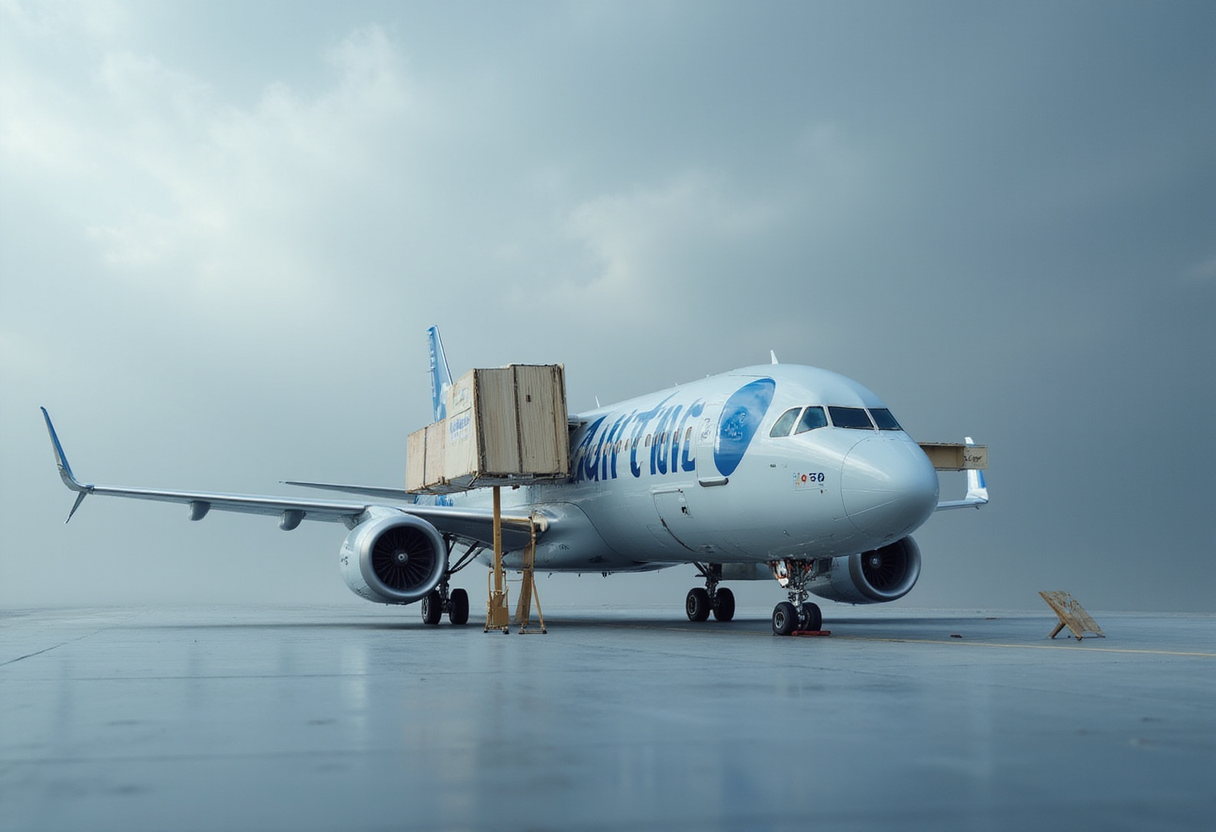
Airbus has recorded a four-aircraft order from Shohin Airlines, the Tajikistan-based carrier, adding a new customer name to its order book in a region where fleet decisions rarely make the manufacturer's monthly tally.
The order, first reported through Airbus's commercial announcements, involves four airframes destined for Shohin's fleet. The manufacturer has not yet detailed delivery timelines, engine selections, or the specific variants covered by the commitment, and those gaps matter when assessing what the deal means in practice. Until Airbus publishes the transaction in its formal orders-and-deliveries data, the four units sit as backlog rather than scheduled production.
For Airbus, the transaction is small against the scale of its operation. The manufacturer's backlog runs into the thousands of aircraft, and single-digit orders from new entrants typically register as line items rather than capacity-shifting events. The value lies elsewhere: in geographic reach. Adding a Tajik operator extends Airbus's commercial footprint across Central Asia, a market where the fleet base remains dominated by ageing Soviet-era types and leased narrowbodies, and where a handful of carriers — Air Astana, flydubai-adjacent operators, and Uzbekistan Airways among the larger players — have driven most recent Western equipment purchases.
For Shohin Airlines, a four-unit order is a significant proportional step. Carriers at this scale typically operate fleets in the single digits, so the commitment implies a near-doubling or larger expansion of capacity depending on the types selected. That scale of growth raises the usual questions for any small operator: crew training pipelines, maintenance capability or third-party MRO arrangements, spares provisioning, and financing structure. Whether the deal is a direct purchase, a lessor-facilitated transaction, or an operating lease remains unconfirmed in the public announcement.
Tajikistan's aviation market is thin. The country's carriers serve a limited domestic network and a modest set of international routes centered on Russia, the Gulf, and China, with labor-migration traffic to Moscow and St. Petersburg anchoring much of the demand. A fleet expansion of four aircraft positions Shohin to add frequency on those trunk routes or open secondary points, network economics that depend heavily on aircraft seat count and range — variables the order details, once disclosed, will clarify.
The order also lands in a delivery environment where slots, not orders, are the binding constraint. Airbus's single-aisle production lines are booked years ahead, and small operators frequently secure positions through lessors with existing delivery positions rather than direct allocations. If Shohin's four aircraft come via that route, actual delivery dates could be considerably nearer than a fresh backlog placement would imply. The alternative — a tail-end slot — would push the fleet expansion into the late decade.
Certification and regulatory sequencing will follow the deliveries themselves. Tajikistan's civil aviation authority will need to register the types and approve their entry into service, and Shohin will require EASA- or equivalent-basis operational approvals for the routes it flies beyond the region. None of that is unusual, but each step sits between a signed order and revenue service.
Airbus is expected to reflect the transaction in its next monthly orders-and-deliveries report, which will confirm the aircraft types, the count, and whether the deal is a firm commitment or covered by purchase rights. Until that disclosure, the headline fact stands: four aircraft, one new customer, and a European manufacturer continuing to convert demand in markets that its order book has historically ignored.
via Google News: Aircraft orders and fleets (Source)
More from Sophie Lindqvist
Show full bio
Senior reporter covering industry trends and analytics at Flightdeck Report.
161 articles
Same bay
- FDR603Air Astana Orders 15 Boeing 787 Dreamliners · September 30, 2026
- FDR283Industry order backlog tops 17,000 aircraft for first time · September 30, 2026
- FDR428Saudia weighs Boeing and Airbus bids for next aircraft order · September 30, 2026
- FDR470Alaska Airlines Places Largest Aircraft Order in Its History · September 30, 2026
- FDR603Airbus Points to New Routes as Engine of Asia-Pacific Narrowbody Demand · September 27, 2026