Clearance CLR-5888 · AIR139
AIRAIR
Aircraft & EnginesClearance sheet
Airbus Confirms Coating Defect on A321neo Jets
Airbus has confirmed a coating defect on A321neo jets, a surface-quality issue on the narrowbody at the core of its production ramp-up and order backlog.
Read-back
- Airbus has confirmed a coating defect affecting A321neo jets
- The defect concerns the airframe coating rather than structure, engines, or systems
- The scope of affected aircraft and the repair scheme has not yet been detailed
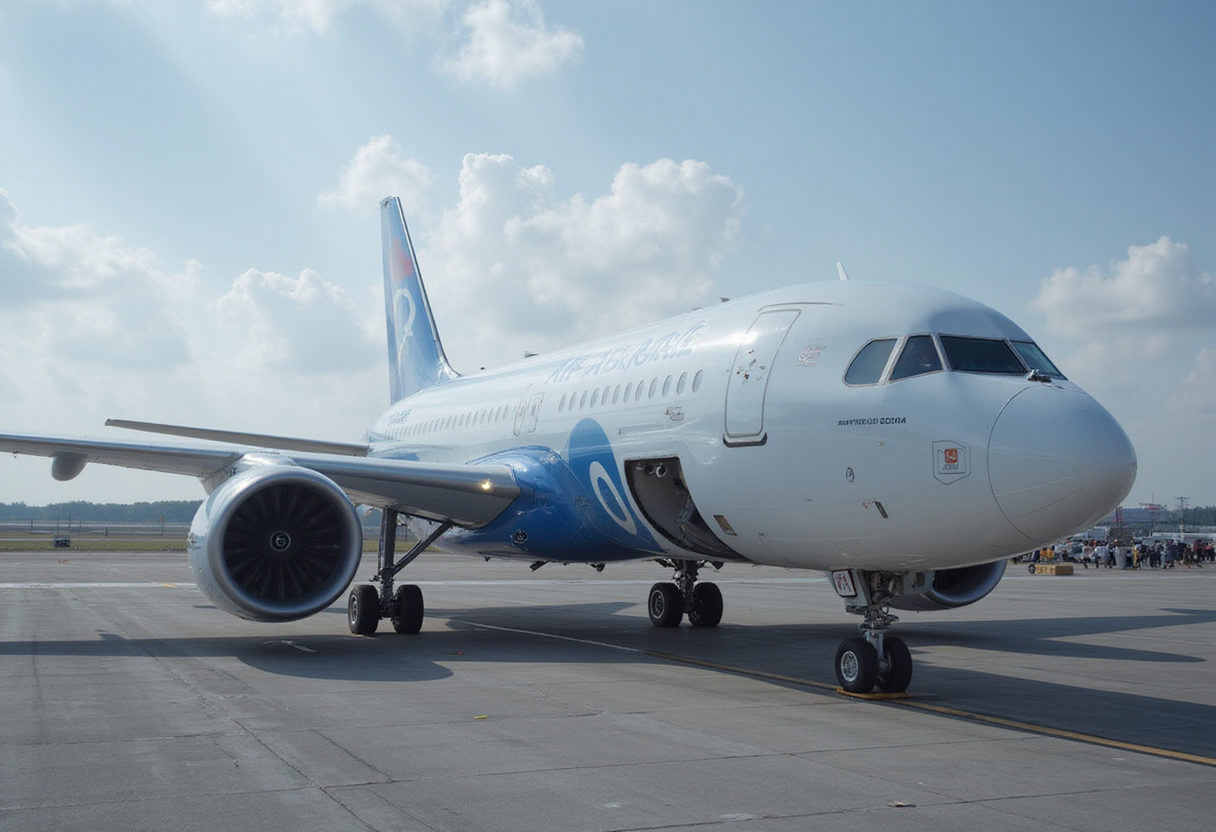
Airbus has confirmed a coating defect affecting A321neo jets, acknowledging a surface-quality problem on the aircraft type that sits at the center of its single-aisle production system and its order backlog.
The confirmation, reported by ch-aviation, establishes that the defect involves the coating applied to A321neo airframes rather than a structural, engine, or systems issue. That distinction matters for operators. Coating defects typically fall into the category of cosmetic or corrosion-protection concerns — costly and disruptive to remediate, but not the kind of fault that grounds a fleet or forces immediate airworthiness action.
For airlines flying the A321neo, the immediate operational question is how the defect manifests, which line numbers are affected, and what the repair pathway looks like. Surface-coating problems on in-service aircraft generally require repainting or localized refinishing during scheduled maintenance windows. If the defect instead traces back to the production line — as confirmations from a manufacturer often imply — the remediation burden could shift toward Airbus, with fixes applied before delivery or negotiated through warranty and customer-support channels.
Neither scenario is trivial at the A321neo's scale. The type is the largest-capacity member of the A320neo family and the workhorse of Airbus's narrowbody output, serving short-haul trunk routes, long-thin transatlantic sectors, and dense leisure markets across the fleets of major operators worldwide. Any quality issue requiring airframe attention touches a fleet that numbers in the hundreds of delivered units, with more arriving monthly against a backlog measured in the thousands of aircraft.
The confirmation also arrives at a sensitive point in Airbus's industrial ramp-up. The manufacturer has been pushing single-aisle output toward record monthly rates, and surface-treatment defects are precisely the kind of issue that can consume man-hours at a moment when final-phase labor is the constraint on deliveries. A defect serious enough to require confirmation publicly suggests Airbus has assessed it as something customers would discover on their own — through inspections, paint degradation, or maintenance findings — and judged disclosure the better course.
The manufacturer's handling of the issue from here will follow a now-familiar pattern in commercial aviation quality management: identification of the affected population, definition of an approved repair scheme, coordination with operators on when and where the work is performed, and — where production processes are implicated — correction at the source so that newly built aircraft leave the line clean.
What remains to be established is the scope. Airbus has confirmed the defect exists; it has not, in the reporting available, detailed how many aircraft are affected, whether the problem is confined to specific production periods, or what the fix entails in terms of aircraft downtime. Those specifics will determine the cost. A defect caught at final assembly is a production-efficiency issue. One affecting in-service jets across multiple operators becomes a warranty, scheduling, and maintenance-planning question — and, in aggregate, a test of how much slack exists in the maintenance systems of airlines already managing heavy post-pandemic fleet utilization.
For lessors, the confirmation adds a documentation checkpoint: aircraft condition at transition depends on surface state, and a known coating defect affects residual-value assessments and lease-return negotiations on any affected airframes.
Airbus is expected to provide affected operators with repair guidance as it quantifies the fleet population involved; the speed and cost of that remediation will show whether this remains a contained quality lapse or a wider drag on the A321neo program's delivery and in-service performance.
via Google News: Aviation safety (Source)
More from James Calloway
Show full bio
Staff writer covering industry trends and analytics at Flightdeck Report.
156 articles
Same bay
- FDR131Airbus flags A321neo fuselage quality defect affecting over 500 jets · September 30, 2026
- FDR414EASA Sees No Immediate Safety Risk in A321neo Quality Flaw · September 30, 2026
- FDR576Fleet Age and Safety: What Newer Aircraft Mean for Airlines · September 30, 2026
- FDR876FlyOne Armenia firms first direct Airbus order for two A321neo · September 30, 2026
- FDR247Windshield Failure Forces United-Route Flight Back to Houston · September 28, 2026