Clearance CLR-5384 · AIR603
AIRAIR
Airlines & NetworksClearance sheet
Airbus Points to New Routes as Engine of Asia-Pacific Narrowbody Demand
Airbus argues new city pairs, not fleet replacement, are driving Asia-Pacific narrowbody demand, with implications for A320neo family deliveries and the region's share of the global backlog.
Read-back
- Airbus identifies new route development, rather than replacement demand, as the key driver of Asia-Pacific narrowbody orders
- New-generation single-aisle range enables direct services on thinner city pairs, bypassing hubs
- The claim should be tested against actual delivery records, given uneven post-pandemic absorption in the region
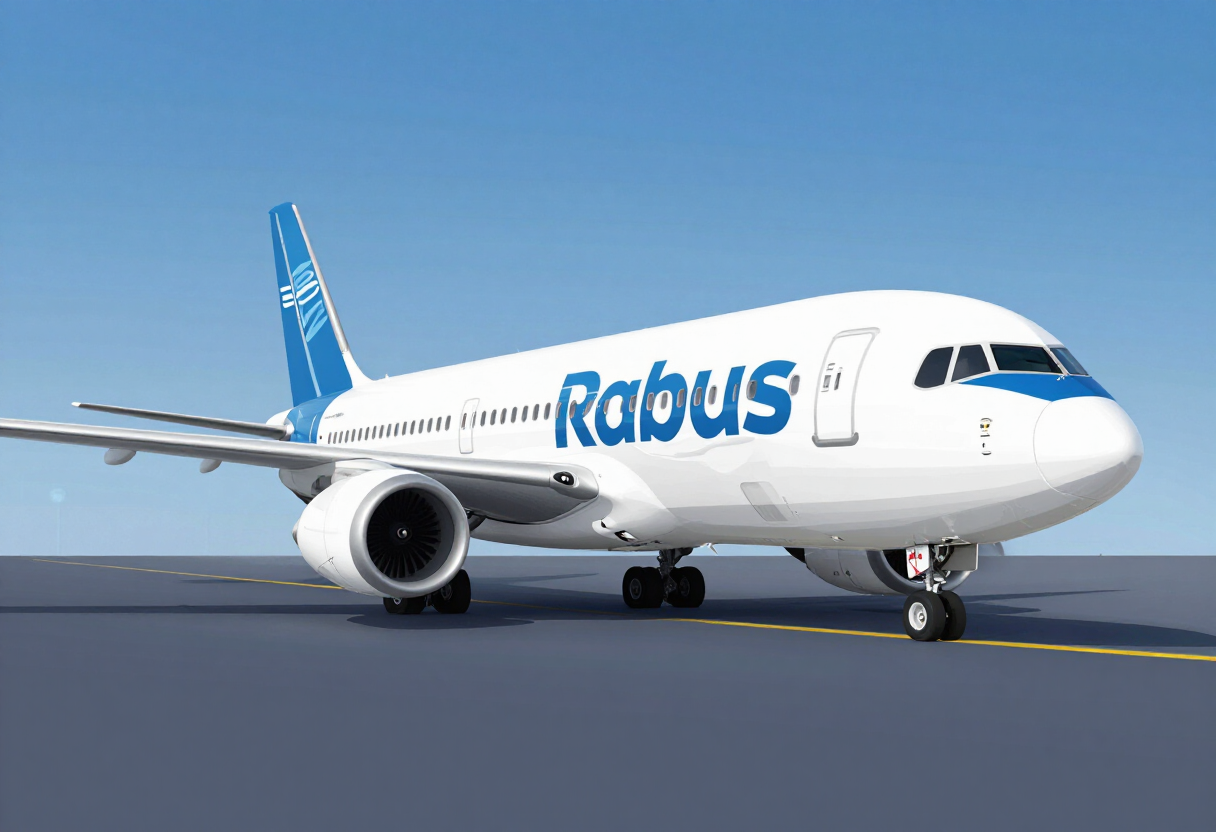
Airbus is framing route development — not merely fleet replacement — as the principal driver of narrowbody demand across the Asia-Pacific region, a message with direct consequences for its single-aisle production strategy and delivery pipeline.
The manufacturer's argument, as reported by Aviation Week, centers on a structural shift in how carriers in the region deploy single-aisle aircraft. Rather than using narrowbodies simply to replace older types on established trunk routes, airlines are opening new city pairs — many of them thinner or longer sectors that only the latest generation of narrowbody aircraft can serve economically.
That distinction matters for forecasting. Replacement demand is a bounded quantity: it tracks the retirement schedules of existing fleets. Demand tied to network development is open-ended, because each new viable route creates requirements for additional aircraft. Airbus is effectively positioning the Asia-Pacific narrowbody market in the second category, where growth compounds rather than plateaus.
The claim carries weight because of the region's order books. Asia-Pacific carriers hold a substantial share of the global backlog for the A320neo family, and the region has repeatedly been identified by Airbus in its Commercial Aircraft Market Outlook as the largest single delivery market over the next two decades. The manufacturer's most recent forecasts project that the Asia-Pacific and Chinese domestic markets combined will account for the majority of new single-aisle deliveries worldwide through 2042.
For airlines, the route-development argument has a practical basis. The A321neo's range — and the extended capability of the A321XLR, which is progressing through its certification and entry-into-service phase — allows operators to connect secondary cities directly rather than routing traffic through hub airports. This changes the economics of network planning: a city pair that once required a widebody via a hub can become a nonstop narrowbody service with lower unit costs.
The trend also reshapes competitive dynamics among lessors and MRO providers. New routes into secondary markets create demand for aircraft in markets that previously had little or no mainline jet service, spreading maintenance, ground handling and training requirements across a wider geographic footprint.
Airbus's framing should, as always with manufacturer demand forecasts, be weighed against delivery records. The Asia-Pacific region's absorption of new narrowbodies has been uneven in the post-pandemic period, with some carriers deferring deliveries and others accelerating fleet plans as traffic recovered at different rates. The gap between backlog and actual deliveries in the region reflects those divergent recovery paths, supply chain constraints on the manufacturer's side, and engine availability.
What is certified and flying today is the A320neo family in its current configurations. What remains partly promised is the full network effect Airbus describes: a dense web of new narrowbody routes across Asia-Pacific that sustains demand above replacement-driven levels. The evidence for that proposition will accumulate route by route, in the schedules airlines publish and the aircraft they actually take delivery of over the coming years.
via Google News: Airline routes (Source)
More from Sophie Lindqvist
Show full bio
Senior reporter covering industry trends and analytics at Flightdeck Report.
161 articles
Same bay
- FDR719Freight Giant Shifts Widebody Orders From Boeing to Airbus · September 29, 2026
- FDR793AirAsia Weighs Largest-Ever A220 Order for Fleet Renewal · September 28, 2026
- FDR997American Airlines Adds Seven International Routes · September 30, 2026
- FDR269Alaska Airlines Places Largest-Ever Aircraft Order · September 30, 2026
- FDR498APAC-Europe Air Cargo Volumes Fall 15% Year on Year · September 26, 2026