Clearance CLR-3747 · SAF204
SAFARM
Safety & OperationsClearance sheet
Army Review Finds Systemic Failures Behind DC Midair Collision
A U.S. Army review attributes the Washington, D.C. midair collision to systemic failures and calls for broad safety fixes across training, oversight and airspace coordination.
Read-back
- A U.S. Army review found systemic failures behind the midair collision over Washington, D.C.
- The Army has called for broad safety fixes rather than individual blame.
- The collision occurred in the congested Potomac corridor near Reagan National Airport.
- Specific fixes and timelines for implementation remain undecided.
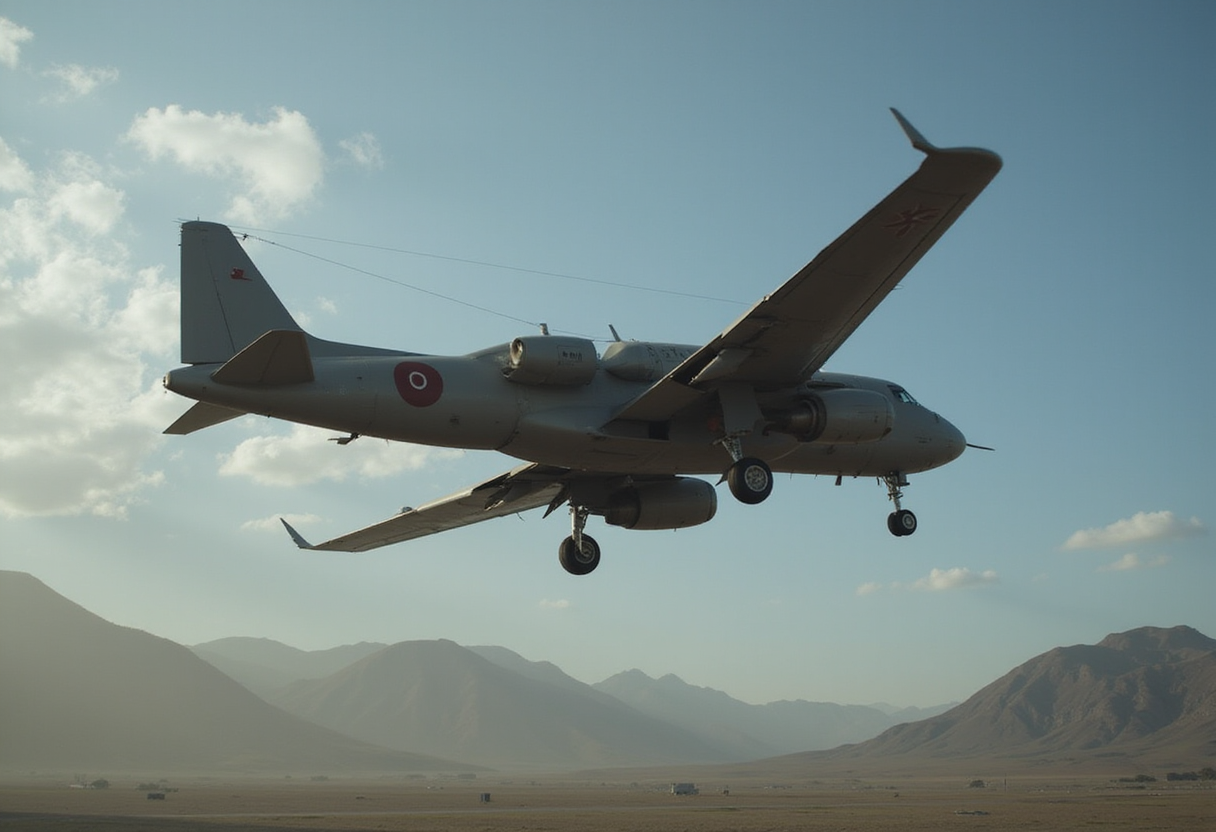
A U.S. Army review has concluded that systemic failures lay behind the midair collision over Washington, D.C., and the service is calling for wide-ranging safety fixes rather than pinning the accident on a single actor.
The finding shifts responsibility from an individual aircrew error toward institutional shortcomings — how the Army trains, staffs and supervises aviation operations, and how its helicopters share congested airspace with commercial traffic around the capital.
The collision at issue occurred over the Potomac River near Ronald Reagan Washington National Airport, an area where military helicopter routes intersect arrival and departure corridors used by airline traffic. Investigators have now framed the accident as the product of layered organizational breakdowns, according to the review's conclusions as reported by FOX8 WGHP.
What does the finding change?
An Army determination of "systemic failures" carries institutional consequences. It implies corrective action across several fronts:
- Training standards and currency requirements for Army aircrews operating in dense civil airspace
- Airspace coordination procedures between military controllers and the FAA facilities that handle airline traffic around Washington
- Oversight and risk-assessment practices governing routine training flights along congested helicopter routes
By attributing the accident to the system rather than to one crew or one controller, the review creates pressure on both the Army and federal aviation regulators to demonstrate that fixes extend beyond disciplinary measures.
Why the Washington corridor matters
Reagan National sits inside some of the most compressed airspace in the United States. Military helicopter routes along the Potomac pass close to airliner approach paths, and the collision exposed how little margin separates routine operations from catastrophe in that environment.
For airlines serving the airport, any redesign of helicopter routes or new restrictions on military operations carries capacity implications. Airspace changes around Washington have historically required negotiation among the FAA, the Pentagon and local operators, and the Army's call for safety fixes will feed directly into that process.
Verified conclusions versus promised reforms
What is established: the Army's own review has found systemic failures behind the collision, and the service has publicly called for safety fixes.
What remains open: the specific scope of those fixes, the timeline for implementing them, and whether the FAA will impose matching changes on the civil side of the corridor. The review's publication does not itself alter routes, procedures or staffing; those changes will follow separate regulatory and service-level decisions.
The coming months will show whether the Army's systemic finding translates into procedural change across the Washington corridor — or remains a diagnostic conclusion without operational consequence.
via Google News: Aviation safety (Source)
More from Grace Kim
Show full bio
News editor covering consumer brands and retail at Flightdeck Report.
369 articles
Same bay
- FDR802Army Probe Finds Systemic Failures Behind DC Midair Collision · October 10, 2026
- FDR768Army Review Finds Systemic Failures Behind DC Midair Collision · October 9, 2026
- FDR226Army Review Finds Systemic Failures Behind DC Midair Collision · October 9, 2026
- FDR596U.S. Army investigation finds systemic failures behind DC midair collision · October 9, 2026
- FDR942Army report traces DCA midair to systemic failures, not a single error · October 9, 2026