Clearance CLR-5433 · AIR750
AIRATR
Aircraft & EnginesClearance sheet
ATR pitches US regionals on three-class 72-600 with forward boarding
ATR shows a 50-seat three-class 72-600 mock-up at RAA, targeting 2030 first delivery — pending orders — as US 50-seat jet fleet has shrunk to about 300 aircraft.
Read-back
- ATR targets 2030 first delivery of a modified 72-600 with forward boarding door, pending commercial orders
- US 50-seat jet fleet has fallen from about 750 to roughly 300 aircraft over a decade, per Cirium
- MHIRJ disputes a near-term CRJ200 retirement wave, saying the jets will stay active until 2040
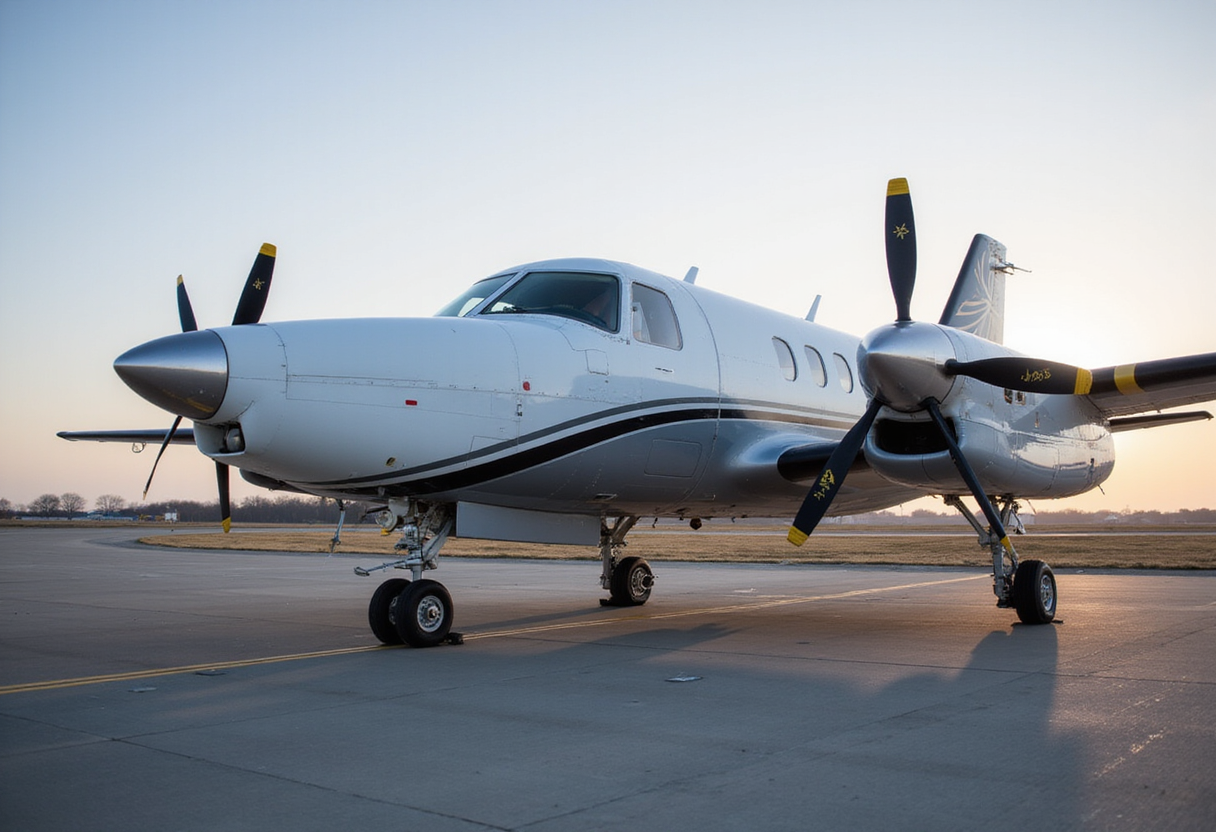
ATR has brought a 50-seat, three-class mock-up of a modified ATR 72-600 to the Regional Airlines Association annual conference in Washington, DC, reviving its pitch for a premium-configured turboprop that could enter production by 2030 — but only if US carriers commit to orders that justify the engineering work.
The cabin model marks a step up from the digital renderings ATR used to brief regional carriers on the concept a year ago, as chief commercial officer Alexis Vidal joked at the event. The proposed variant would seat between 30 and 78 passengers depending on configuration; the displayed layout carries 50 across first, premium-economy and economy — a fare structure that mirrors US mainline operations and reflects the industry-wide premiumisation push.
The business case rests on two structural shifts: airlines chasing premium revenue, and a shrinking pool of small jets in congested airspace. US carriers now operate roughly 300 50-seat jets — MHIRJ CRJ200s and Embraer ERJs — down from about 750 a decade ago, according to fleet data provider Cirium. Vidal predicts retirements could peak around 2030 as ageing CRJs reach the end of their lifecycles.
MHIRJ, the Mitsubishi subsidiary that owns the CRJ programme, disputes that timeline. The company insists the 50-seat jets will remain active until 2040 and argues no other aircraft matches their capabilities. It is also converting existing CRJs into similar three-class layouts to serve airlines' scope-clause requirements — a direct competitor to ATR's concept using aircraft already certified and flying.
That distinction matters. ATR's modified 72-600 exists today only as a scale model and a set of proposed design changes. The most significant is a forward boarding door, which would replace a cargo compartment on the current aircraft, plus additional luggage storage. The changes are intended to let the turboprop integrate with mainline hub operations rather than remain an outlier in US ground handling.
"Airlines want to connect to gates and have boarding bridge capability," Vidal told FlightGlobal. "I think culturally, while it's great for ATR to board from the rear in many places in the world, here in the US the infrastructure is such [that] if you want to go to bigger hubs, you need to have these forward passenger doors."
ATR is targeting regional city pairs — Cleveland, Pittsburgh, Cincinnati and Indianapolis among them, per Vidal — that lost direct service as carriers consolidated around hub-and-spoke networks over recent decades. The company claims the turboprop can save up to 45% on fuel burn, resulting in 30% lower fuel costs. Those figures align with the operating economics that have kept turboprops dominant in comparable short-haul markets elsewhere, though no US order book yet tests the proposition at scale.
The US ATR footprint is thin. Premium scheduled-charter operator JSX launched service in December 2025 with four ATR turboprops flying from Santa Monica, California, to Las Vegas, Napa, Phoenix and Oakland. Silver Airways, the only other US scheduled-passenger ATR operator, ceased operations in June 2025.
Vidal argues passenger resistance to propellers has faded. "People don't really care anymore whether they board a prop plane or a jet plane," he says. "What they care about is how convenient is it." He also positions the cabin as more comfortable than a 50-seat jet: "We are bigger in all dimensions. We are wider, we are taller. And we have a larger aisle as well."
"I think we proved that the old legacy thinking of 'people will not want to board a prop plane' is just a thing of the past," Vidal adds — a claim JSX's four-aircraft operation supports only narrowly.
The critical unknown is demand. Vidal declined to detail any specific customer conversations or identify the order size that would catalyse production and certification work. ATR wants to deliver the first modified 72-600 by 2030, which leaves roughly four years to secure commitments, complete the design changes and clear certification — against an incumbent, MHIRJ, offering three-class 50-seat capacity with aircraft already in service.
via FlightGlobal (Source)
More from Nathan Brooks
Show full bio
Correspondent covering media and advertising at Flightdeck Report.
149 articles
Same bay
- FDR761ATR Brings 29-Foot Mock-up to RAA as It Presses US Case · September 30, 2026
- FDR726JetBlue's BlueFirst Adds 12 Domestic First Seats Without Losing Capacity · September 30, 2026
- FDR260Carrier Crosses the 100-Aircraft Fleet Threshold · September 30, 2026
- FDR283Industry order backlog tops 17,000 aircraft for first time · September 30, 2026
- FDR303FAA Backs Additional $30 Billion for ATC, Airport Modernization · September 29, 2026