Clearance CLR-6214 · AIR897
AIRAUS
Air CargoClearance sheet
Australia Post Adds Freighters Ahead of Holiday E-Commerce Peak
Australia Post is adding freighter capacity ahead of the holiday e-commerce peak, targeting seasonal parcel volumes that strain its air network each year.
Read-back
- Australia Post is expanding its freighter fleet ahead of the holiday e-commerce rush
- FreightWaves first reported the fleet expansion
- The addition targets the November–December seasonal parcel volume peak
- No aircraft count, type, operating carrier or contract duration was disclosed in the report
- The operator frames the move as seasonal preparation rather than long-term fleet renewal
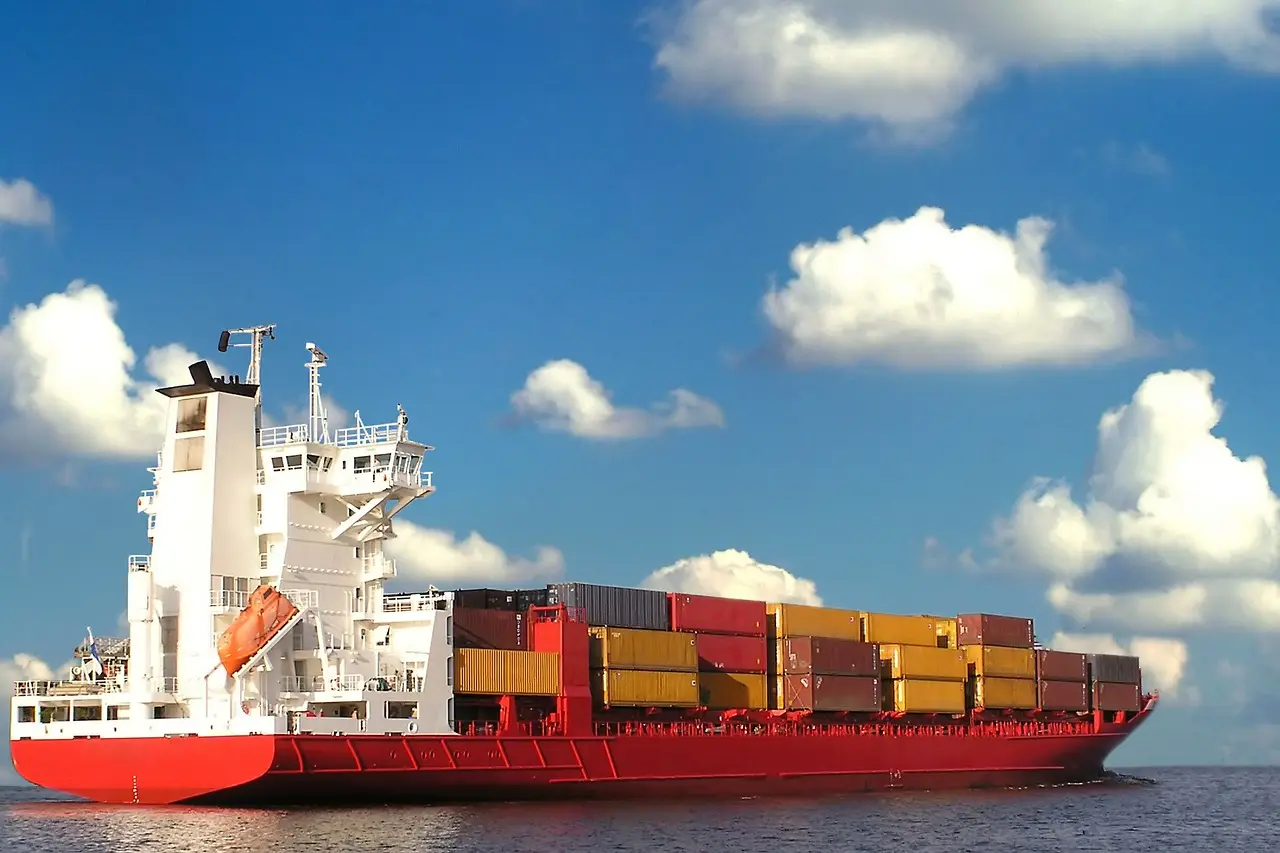
Australia Post is expanding its freighter fleet ahead of the holiday e-commerce rush, the postal operator and logistics news outlet FreightWaves report.
The move targets the seasonal surge in parcel volumes that Australian consumers generate between November and December. Dedicated freighter capacity gives the operator control over timetables and volume allocation that belly cargo (airline passenger hold space sold for freight) cannot guarantee during peak weeks.
Australia Post has operated its own air network for years, combining contracted freighter services with road linehaul across the country. The expansion signals that the operator expects this year's peak to require more dedicated capacity than its existing arrangement provides.
What does the change mean for capacity?
For shippers and e-commerce platforms, added freighter capacity translates into more predictable transit times during the weeks when belly space tightens and rates rise. For Australia Post, it is a hedge against the volume peaks that have strained parcel networks in each successive peak season, driven largely by online retail growth.
The decision also reflects a broader pattern among postal operators: as international post volumes decline and e-commerce volumes climb, operators have shifted investment from letter networks toward parcel air capacity and automated sortation.
FreightWaves, which first reported the fleet expansion, frames the move as a direct preparation for holiday e-commerce demand rather than a structural long-term fleet renewal. The distinction matters: seasonal capacity additions are typically met with short-term aircraft arrangements or contract extensions, not permanent fleet growth.
What is confirmed and what is not
The confirmed fact is the fleet expansion itself and its stated purpose — the holiday peak. FreightWaves does not specify in the reported item how many aircraft the operator is adding, which airframes or types are involved, which contracted carriers will operate them, or over what period the capacity will remain in place.
That gap matters for assessing the commercial weight of the decision. A one- or two-aircraft seasonal addition is an operational adjustment; a multi-aircraft commitment would signal a more durable shift in how Australia Post structures its domestic air network.
Readers tracking the Australian freight market should watch for the operating carrier, the aircraft type, and the duration of the arrangement — the three variables that determine whether the added capacity stays in the market after the peak passes or exits with it.
The expansion comes as retailers and logistics providers across the Asia-Pacific region build out peak-season capacity, competing for the same narrowbody and converted freighter aircraft that lessors make available for short-term deployments.
Australia Post has not stated whether further additions will follow; the current move covers the immediate holiday window.
via Google News: Air cargo (Source)
More from Priya Raman
Show full bio
Market editor covering money, funding and market shifts around Commercial aviation industry coverage at Flightdeck Report.
577 articles
Same bay
- FDR877Air Cargo Demand Grew 4.4% in August as Load Factor Reached 46% · September 30, 2026
- FDR347Airlines add winter freighter capacity as forwarders reshuffle · October 20, 2026
- FDR645Airbus and Boeing delays raise fear of air cargo capacity crunch · October 19, 2026
- FDR534Air Cargo Demand Up 4.4% as Trade Growth Underpins Peak Season · October 9, 2026
- FDR758August Air Cargo Demand Closes Summer on Global Growth · October 2, 2026