Clearance CLR-2569 · SAF480
SAFAVI
Safety & OperationsClearance sheet
Aviation Safety Runs Through the Boardroom, Not Just the Cockpit
An analysis in The Conversation argues aviation safety depends on corporate decision-making as much as pilot skill, shifting the safety burden toward boards and executives.
Read-back
- The Conversation published an analysis arguing aviation safety depends on corporate decision-making, not just pilot skill
- The piece frames executive decisions on scheduling, maintenance and training as safety-critical functions
- It shifts the conventional accident focus from crew actions toward organizational causes
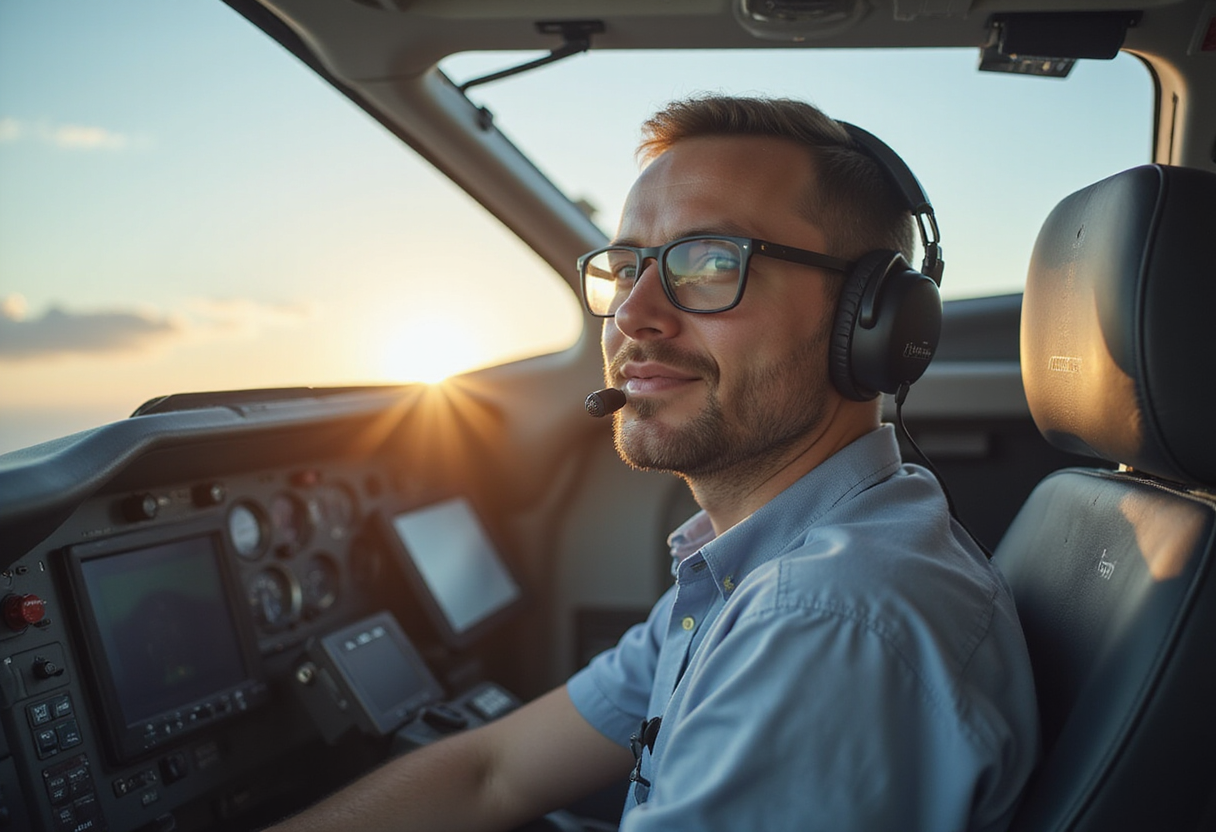
Aviation safety outcomes depend on corporate decision-making as much as on pilot skill, according to an analysis published by The Conversation.
The piece argues that the standard public framing of accidents — a focus on the crew's final actions — misses an earlier chain of organizational choices. What does this change for how safety is assessed? It shifts attention from the individual pilot toward the systems, incentives and risk decisions made higher up in airlines and manufacturers.
Safety investigators and regulators have long used structured models to trace accidents to organizational factors, not just human error at the controls. Corporate decisions on scheduling, maintenance budgets, training investment and risk acceptance set the conditions in which crews operate.
The article's core point is definitional but consequential: if decision-making inside companies is a safety-critical function, then boards and executives carry a share of the safety burden that regulators and investigators conventionally assign to flight crews.
For operators, that framing carries cost and compliance implications. Investment in training, maintenance and reporting cultures becomes a safety measure in its own right, rather than an overhead line.
The Conversation's analysis points toward a continued widening of the safety lens, from individual performance to the organizational systems that shape it.
via Google News: Aviation safety (Source)
More from Sophie Lindqvist
Show full bio
Senior reporter covering people, launches and day-to-day practice in Commercial aviation industry coverage at Flightdeck Report.
483 articles
Same bay
- FDR557IATA: People, Technology and Standards Together Drive Safety · October 9, 2026
- FDR964Pilot Misconduct Now Ranks Among Top Airline Safety Threats · October 8, 2026
- FDR765Boeing safety leader takes lessons to United Nations forum · September 26, 2026
- FDR283WSJ Opinion: Collecting Fees Through Aviation Safety Tool Is Misuse · October 10, 2026
- FDR358Embry-Riddle Study Frames Air Travel Risk Against Daily Life · September 30, 2026