Clearance CLR-5227 · AIR448
AIRAZU
Airlines & NetworksClearance sheet
Azul Takes First SkyCourier Into Mainline Network Service
Azul becomes the first major airline to deploy the 19-seat Cessna SkyCourier in scheduled network service, betting on right-sized capacity for thin Brazilian routes.
Read-back
- Azul has received its first Cessna SkyCourier 19-seat turboprop
- Azul is the first major airline to operate the type in scheduled network service
- The SkyCourier was originally designed for cargo, feeder and utility missions rather than passenger airline work
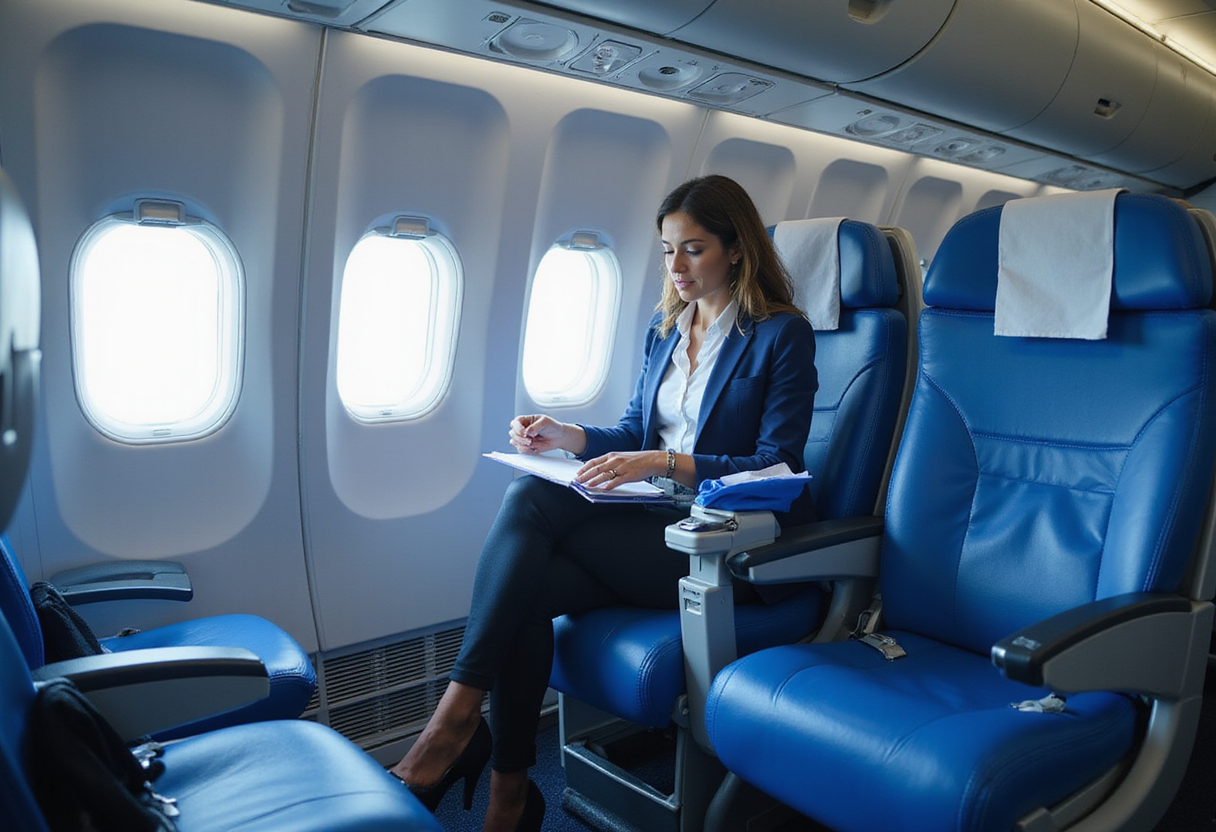
Azul has taken delivery of its first Cessna SkyCourier, making the Brazilian carrier the first major airline to commit the 19-seat twin-turboprop to scheduled network operations rather than the cargo, charter and government missions the type was originally conceived for.
The move is notable because of what the aircraft is. The SkyCourier was designed by Textron Aviation as a rugged, unpressurized utility twin aimed at freight operators, feeder services and special-mission customers — a modern successor in spirit to types that spent their careers well outside the limelight of mainline schedules. Azul's deployment puts the type into a different context: a large network carrier using it as a commercial passenger tool.
For Azul, the attraction is straightforward. The airline built its early identity on connecting secondary and tertiary cities across Brazil that no jet could serve economically, and it has long argued that right-sizing aircraft to thin routes is the only way to make those destinations viable. A 19-seat turboprop sits at the bottom of that logic. Where demand supports an ATR or an Embraer jet, Azul already has the equipment; the SkyCourier addresses the tier below, where even a 70-seat turboprop is too much airplane.
The strategic question is whether the economics hold. Small turboprops carry well-known cost penalties per seat: crew, maintenance and overhead spread across 19 passengers rather than 70 or 118. What changes the equation is a new airframe with modern engines, low initial acquisition exposure and dispatch characteristics that older 19-seat types — largely retired from scheduled service in most of the world — could not offer. Azul is effectively wagering that fleet-commonality savings and access to markets with no competing surface or air alternative can offset the seat-cost arithmetic.
There is also a network-defence dimension. Feeding thin spoke cities into Azul's hubs protects frequencies and connectivity that competitors cannot replicate, and it keeps airport slots, gates and brand presence in markets that might otherwise go unserved. For a carrier competing in a consolidated Brazilian market, holding route rights in marginal cities can be worth more than the standalone profitability of flying them.
For Textron Aviation, an airline customer of Azul's scale is a reference the Cessna passenger portfolio has lacked in scheduled transport. The manufacturer's commercial lineup has traditionally sold into corporate, charter and utility channels; a flag-carrier-grade operator running the SkyCourier in daily network service gives the type a credential it can take to other carriers facing the same thin-route problem — in Latin America, Southeast Asia and Africa, where 19-seat economics decide whether a city has air service at all.
Execution will determine whether this is a niche experiment or a template. Utilization rates, maintenance intervals in tropical operations, crew scheduling around a small fleet, and passenger acceptance of an unpressurized cabin at the altitudes and stage lengths Brazilian domestic routes demand will all be watched closely by any airline considering a similar move.
Azul has not yet detailed the full scale of its planned SkyCourier deployment, and the type's certification basis as a utility-category aircraft means its route network will be shaped by operational limits as much as commercial strategy. How quickly the first units settle into reliable scheduled service — and whether the economics survive a full year of Brazilian operations — will decide whether other network carriers follow Azul into the 19-seat segment.
via Google News: Air cargo (Source)
More from Priya Raman
Same bay
- FDR582Azul draws R$1.3 billion BNDES loan, targets R$2.66 billion total · September 30, 2026
- FDR761ATR Brings 29-Foot Mock-up to RAA as It Presses US Case · September 30, 2026
- FDR427IndiGo Weighs Regional Aircraft Order to Feed Delhi Hub · September 30, 2026
- FDR664Vietjet turns to Thales for aircraft maintenance support · September 30, 2026
- FDR158SolitAir adds Nigeria and Somaliland routes in African network push · September 29, 2026