Clearance CLR-1318 · AIR139
AIRCAN
Airspace & RegulationClearance sheet
Canada's Digital ATC Ambitions Meet a Sceptical Reception
Canada is pushing digital air traffic control, but the case for it rests on claims the promoter has not yet backed with figures, dates or a named certification path.
Read-back
- Canada is promoting a digital, remote air traffic control concept
- No certified digital tower has been named as operating in Canada in the announcement
- No cost, deployment date or reliability figure accompanied the pitch
- Sceptics cite the absence of validation data behind the claimed benefits
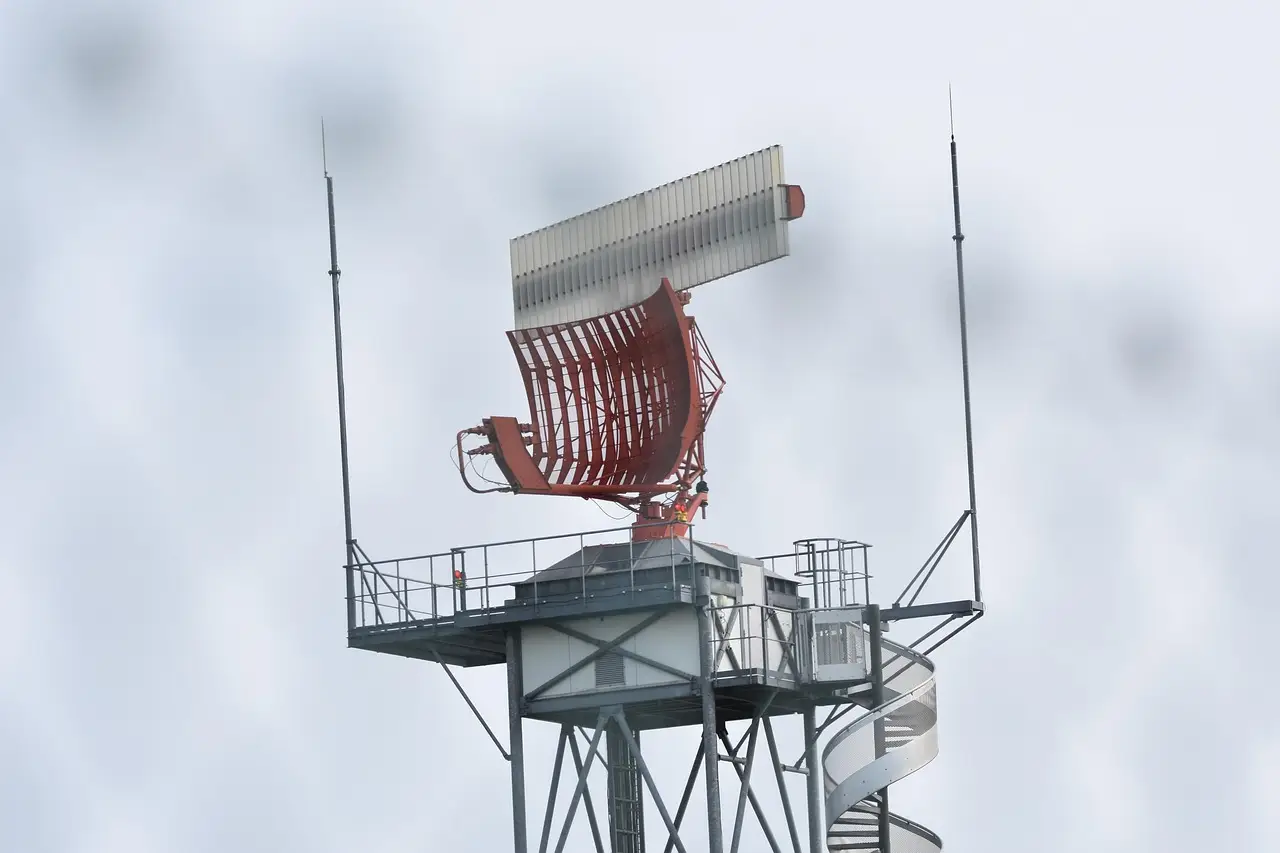
Canada has put a digital air traffic control concept on the table without publishing a single cost, date or reliability figure to support it. That gap defines the story. The Aviation Hub, reporting on the initiative, titled its own piece "Reasons to Be Sceptical" — a framing that signals how thin the public case currently is.
What does this change for Canadian aviation today? On the published record, nothing yet. The announcement describes intent, not deployment. No airport is named as a digital-tower site. No regulator is named as having certified the arrangement. No transition schedule exists in the public domain.
What is actually being claimed?
Digital tower technology replaces the out-the-window view with camera feeds and synthetic overlays, allowing controllers to work from a remote facility. Several air navigation providers in Europe have commissioned such systems. Canada's promoter presents the concept as a modernization step.
The claim stops there. The Aviation Hub's report contains no operator commitment, no airport pair, no service date. Enthusiasm, in this case, is doing the work that evidence should do.
What is not being said?
The omissions matter more than the statements. There is no figure for:
- Capital cost of the remote facility versus conventional towers
- Number of airports in scope, or their traffic volumes
- Certification timeline with the regulator
- Availability or dispatch-equivalency data from any trial
- Weather and low-visibility performance, the known weak point of camera-based systems
Each of these gaps is answerable. None has been answered. That pattern — a promise followed by silence on the measurable questions — is precisely what attracts scepticism, and the reporting outlet has flagged it in its own headline.
Why the burden of proof sits with the promoter
Air traffic control is a safety-critical function certified aircraft by aircraft, procedure by procedure. A remote or digital tower changes the controller's primary sensory input: the window becomes a screen. Latency, resolution, depth perception and failure modes all become certification questions. European authorities have worked through them for specific installations, on specific files, with specific data.
Canada's proposal, as reported, offers none of that file-level substance. It offers the category — "digital ATC" — without the particulars. Regulators do not certify categories. They certify systems, sites and procedures, against test evidence.
The reader's practical question is straightforward: does this change how any aircraft will be handled in Canadian airspace on any given date? On the current record, no date exists to point to.
The pattern to watch
Modernization announcements in air navigation services follow a familiar arc. Concept, feasibility study, single-site trial, certification, phased rollout. Each stage produces documents: budgets, trial reports, safety cases. The credibility of Canada's digital ATC push will be measurable the moment any of those documents appears.
Until then, the scepticism is not obstruction. It is the correct default posture for a safety-critical system pitched without published numbers. The next verifiable milestone — a named trial site, a filed safety case, or a regulator's involvement on the record — will tell observers whether the concept has substance behind it or only a headline. Watch for that milestone before treating the claim as a programme.
By James Calloway
via Google News: Air traffic control and airspace (Source)
More from James Calloway
Show full bio
Staff writer covering people, launches and day-to-day practice in Commercial aviation industry coverage at Flightdeck Report.
566 articles
Same bay
- FDR473Canada's Air Traffic Control Model Holds Lessons for US Reform · October 14, 2026
- FDR482FAA Launches AI Air Traffic Control System as Duffy Redirects Rail Funds · October 13, 2026
- FDR235Reason Foundation questions $30 billion ATC modernization plan · October 16, 2026
- FDR760FAA Chief Says Air Traffic Control Modernization Needs Billions More · October 10, 2026
- FDR465New ATC Tool Headed to Bellingham Airport, Report Says · October 15, 2026