MRO & AftermarketClearance sheet
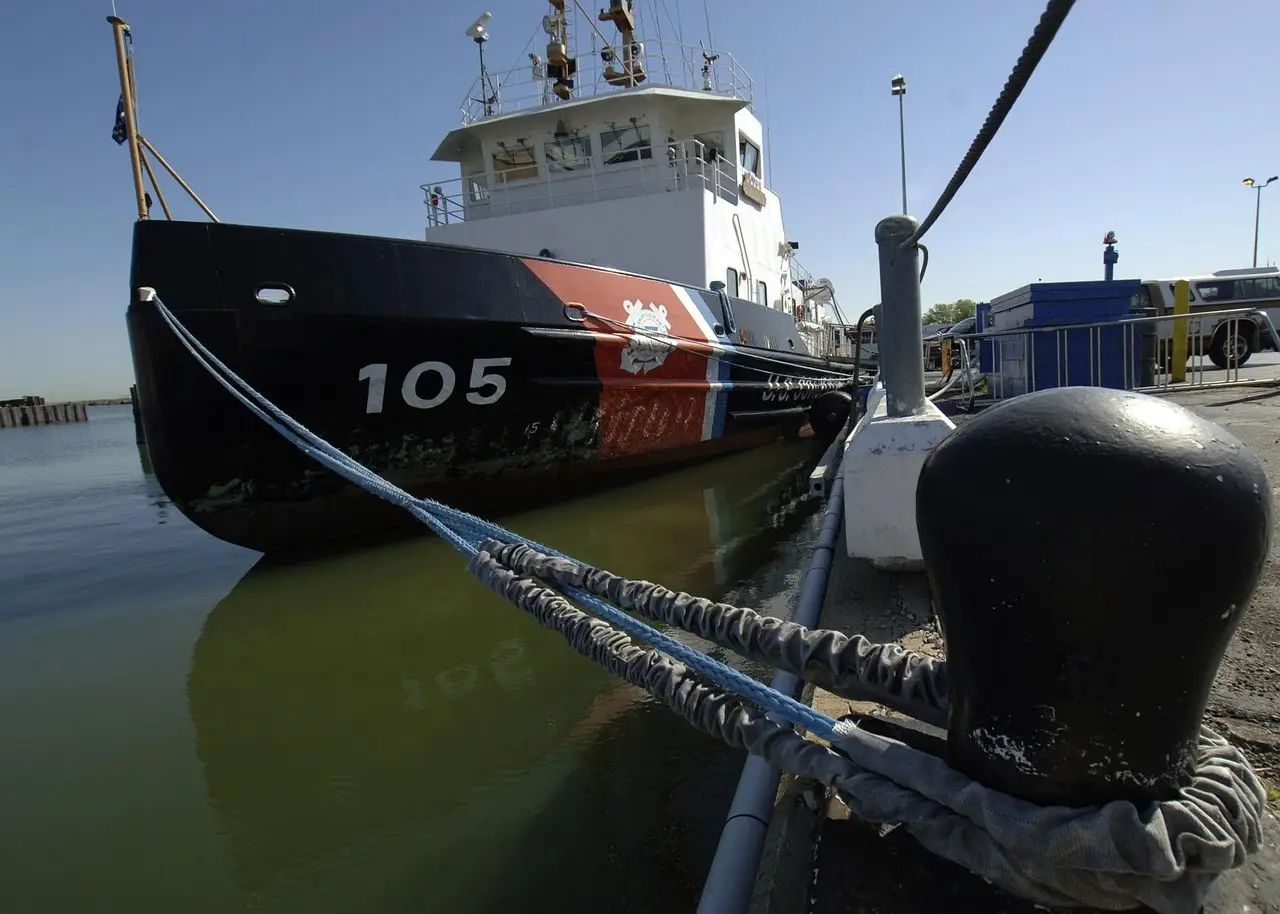
Canadian Coast Guard completes first phase of Ramco software rollout
Ramco’s phase-one rollout gives the Coast Guard real-time inventory visibility across 14 bases and vessels, while maintenance planning and execution remain in progress.
Read-back
- Phase one covers inventory, procurement, repair, component and shop maintenance.
- ASD now has real-time inventory visibility across 14 bases and vessels.
- The platform integrates with finance, training, human resources and reporting applications.
- Later phases will cover aircraft-maintenance planning and execution.
- Ramco has served Canadian aviation for more than two decades.
By Priya Raman
Canadian Coast Guard’s Aircraft Services Directorate (ASD) completed phase one of its Ramco Aviation Software rollout across 14 bases and vessels. The deployment, or go-live, moved inventory, procurement, repair, component and shop maintenance onto one platform.
ASD, formerly part of Transport Canada, now uses the common platform at every base. Ramco Systems Canada Inc., a subsidiary of Ramco Systems Limited, said the deployment also integrates with four existing applications:
- Finance
- Training
- Human resources
- Reporting
ASD set out to modernize maintenance and inventory management against current technology standards. The goals included equipping employees with integrated tools, improving service for clients and maintaining compliance with the Canadian Aviation Regulations. The announcement identifies no certification milestone or separate aircraft approval associated with the software deployment.
Phase one delivered real-time inventory visibility across all 14 bases and vessels, coast to coast. Aircraft-on-ground demand planning, which identifies parts needed to return unavailable aircraft to service, now runs electronically, and Ramco reported resulting efficiencies.
ASD now tracks component-maintenance routing digitally. Tighter control of master data, the authoritative records used to manage parts and equipment, improved record accuracy. The agency also reported better turnaround times for services provided to Canadian government entities.
Ramco did not provide deployment costs, baseline or revised turnaround figures, inventory-accuracy rates, productivity measures or fleet capacity gains. The announcement therefore establishes operational completion, not a quantified performance result.
What does the phase-one go-live change for Coast Guard aircraft support?
It replaces legacy manual and siloed processes with a shared view of aircraft parts and components across the maintenance chain. For ASD personnel, the immediate change is electronic demand planning and digital repair routing, rather than a fully digital maintenance schedule.
Ramco lists optimized productivity, streamlined maintenance workflows, reliability and service excellence as intended benefits of replacing manual, siloed processes. Those outcomes remain programme goals because the announcement provides no comparative operating results.
Later phases covering aircraft-maintenance planning and execution are in progress, according to Ramco. At their completion, ASD intends to manage all aircraft maintenance and supply-chain operations through one system. Until then, the inventory deployment does not amount to full digital execution of the wider programme.
ASD says phase one has improved stock visibility and repair routing, giving maintenance planners a more current basis for parts decisions. Later planning and execution modules could connect those records more directly to aircraft availability, but the announcement does not quantify that effect. A live inventory platform alone does not demonstrate improved dispatch reliability or sustained aircraft availability.
For federal clients, the proposed end state is a single system spanning aircraft maintenance and supply-chain operations. That could standardize service delivery across the coast-to-coast base network, although no station-level performance data were provided.
Evidence and execution risk
Ramco Systems chief customer officer for aviation, aerospace and defense, Manoj Kumar Singh, said: “Integrated, digital-first operations are now the standard in aviation maintenance, and the Aircraft Services Directorate's go-live shows what that looks like in practice.”
Singh said Ramco had served Canadian aviation for more than two decades. He described the deployment as the result of investment in an artificial intelligence (AI)-powered solution purpose-built for aviation maintenance and supply-chain operations. The intended outcome is to ensure that “the right part is in the right place at the right time so the fleet stays ready.”
The announcement did not identify which AI functions had entered production, what data they process or their contribution to fleet readiness. Nor did it supply inventory-accuracy, aircraft-availability or turnaround-time results against which the platform’s claims could be tested. These omissions limit any conclusion about cost savings, additional capacity or service improvement.
Ramco said it would support ASD through the next phase. The practical test is whether the remaining planning and execution modules can convert phase-one inventory visibility into sustained availability gains across the 14 bases and vessels.
via ramco.com (Original)
More from Priya Raman
Show full bio
Market editor covering money, funding and market shifts around Commercial aviation industry coverage at Flightdeck Report.
689 articles
Same bay
- Flydubai outsources ULD management to Unilode as freighter push scales · October 9, 2026
- Air Force Rapid Sustainment Office demos digital binder app for aircraft maintenance · September 30, 2026
- Air Canada Cargo logs 250,000 tonnes on Lödige control platform · September 30, 2026
- Air Canada Cargo doubles down on digital groundwork with Lödige · September 30, 2026
- Unilode Extends Air Transat ULD Deal First Signed in 2003 · October 14, 2026