Clearance CLR-1398 · AIR489
AIRCAR
Air CargoClearance sheet
CargoTech promises one workflow layer for air cargo
CargoTech is pitching itself as the connective tissue of air cargo, linking supply chain workflows across the ecosystem. The claim has no published adoption figures yet.
Read-back
- CargoTech is positioning itself as a connector of air cargo supply chain workflows across the ecosystem
- The group has not published adoption counts, customer names or integration milestones in the reported material
- The pitch targets manual re-entry and data fragmentation between carriers, forwarders and handlers
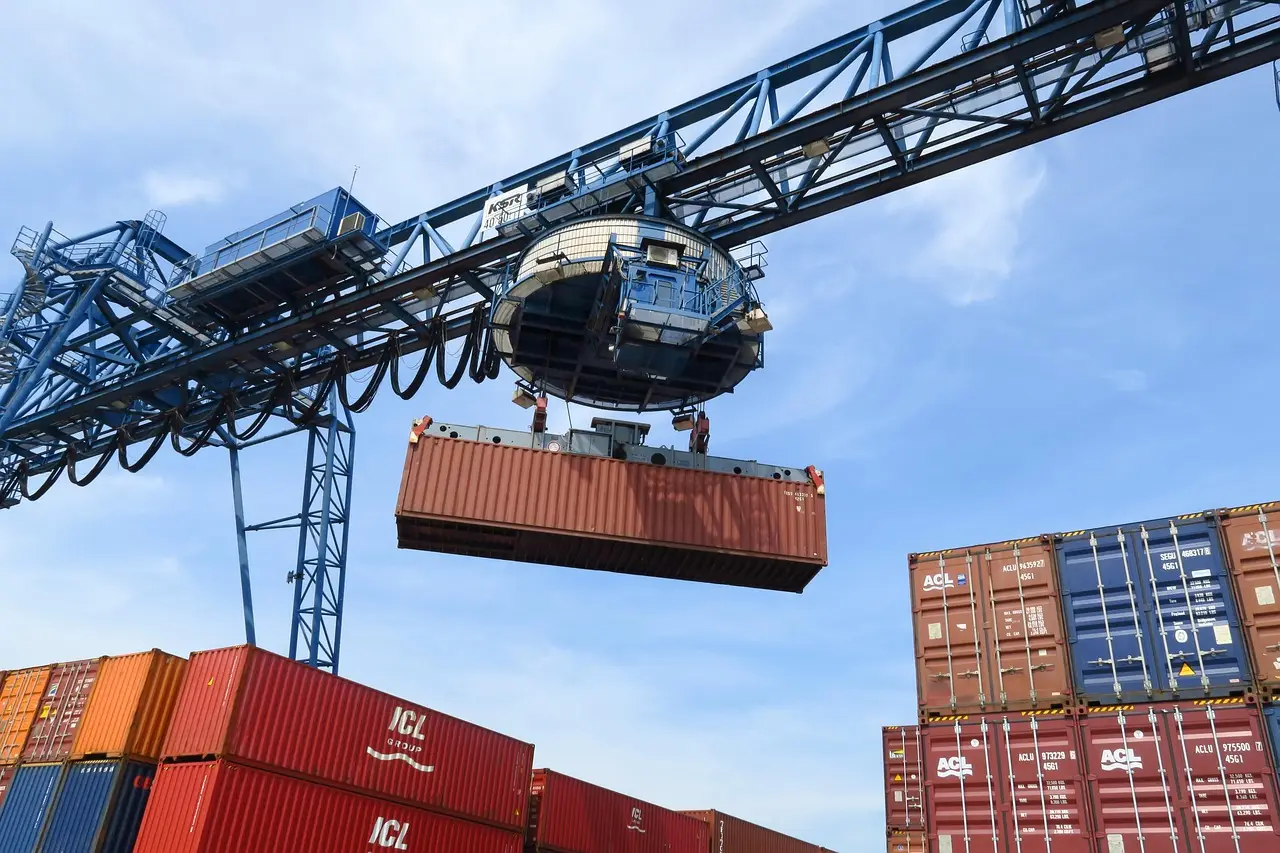
CargoTech is pitching itself as the connective tissue of air cargo. The group's stated aim, as reported by Air Cargo Week, is to join up supply chain workflows across the ecosystem rather than leave carriers, forwarders, ground handlers and airports working from disconnected screens.
That claim deserves unpacking. Air cargo digitisation has a long record of pilots that never scaled. Industry bodies have spent two decades pushing electronic documentation, and paper still moves through many stations. CargoTech enters that history, not a blank slate.
What is CargoTech actually proposing?
The group frames its offer as workflow integration. In practice, that means linking systems that today handle booking, capacity, tracking and documentation as separate products. The promise is a single operational picture from shipper touchpoint to aircraft door.
The pitch targets a real cost. Fragmented data forces manual re-entry at every handoff. Each re-entry is a delay risk and an error source, and errors in cargo manifest data ripple into customs holds and missed flights.
What does this change for cargo operators?
In the near term, nothing on its own. Integration products only pay off when counterparties adopt them. A carrier can connect its systems, but if the ground handler at the destination has not, the workflow still breaks at that seam. Network value in cargo software arrives late or not at all.
CargoTech has not, in the material reported, published adoption counts, customer names or integration milestones. That gap matters. Software alliances in this sector routinely announce vision before contracts. The absence of named airlines or forwarders on the platform leaves the claim untested.
The skeptic's checklist
Three questions will settle whether this is substance or positioning.
- Who is live on it? Named customers running production workflows would separate this from a messaging exercise.
- What does integration cost? Connecting legacy cargo systems consumes IT budgets that operators have already committed to mandated modernisation programmes.
- Where does the data sit? Workflow integration means shared data, and shared data raises governance questions no alliance press material tends to answer.
Each of these has a caveat attached. Adoption figures can be inflated by counting trial users. Integration costs are often shifted onto customers. Data governance answers frequently arrive after the contract, not before.
The competitive frame
CargoTech is not operating in empty space. Platform plays in air cargo logistics have multiplied as carriers invest in digital subsidiaries and forwarders build proprietary tools. Every such player claims to be the ecosystem's operating layer. Only one, at most, can be.
That contest resolves through mundane measures: uptime, integration depth, per-shipment cost and the willingness of competitors' customers to join a rival's network. None of those measures appears in the reported announcement.
What to watch
The test comes in bookings, not statements. Watch for CargoTech to publish reference customers with named workflows and measurable handoff reductions. Watch equally for silence, because silence on adoption is itself a data point.
Air cargo has absorbed many connectivity promises. The industry will judge this one when a shipment moves end to end through the connected stack without a single manual re-entry.
via Google News: Air cargo (Source)
More from James Calloway
Show full bio
Staff writer covering people, launches and day-to-day practice in Commercial aviation industry coverage at Flightdeck Report.
569 articles
Same bay
- FDR130Delta Cargo Extends CargoWise Rollout in Push to Digitalize Booking Chain · October 14, 2026
- FDR265Multimodal Cargo Hub Strategy Hinges on Infrastructure, Integration · October 12, 2026
- FDR213Delta Cargo Signs On to CargoWise Connectivity Programme · October 14, 2026
- FDR368Air Canada Cargo doubles down on digital groundwork with Lödige · September 30, 2026
- FDR637CargoTech extends air cargo platform with AI, compliance tools · October 10, 2026