Clearance CLR-7411 · AIR260
AIRCAR
Airlines & NetworksClearance sheet
Carrier Crosses the 100-Aircraft Fleet Threshold
An airline has pushed its operating fleet past 100 aircraft, a threshold that shifts its cost structure, MRO needs and OEM leverage in a delivery-constrained market.
Read-back
- An airline's fleet has passed 100 aircraft, as reported by Simple Flying.
- The milestone implies changed MRO, training and OEM negotiating dynamics for the carrier.
- Growth past the threshold reflects delivery positions and financing secured years earlier.
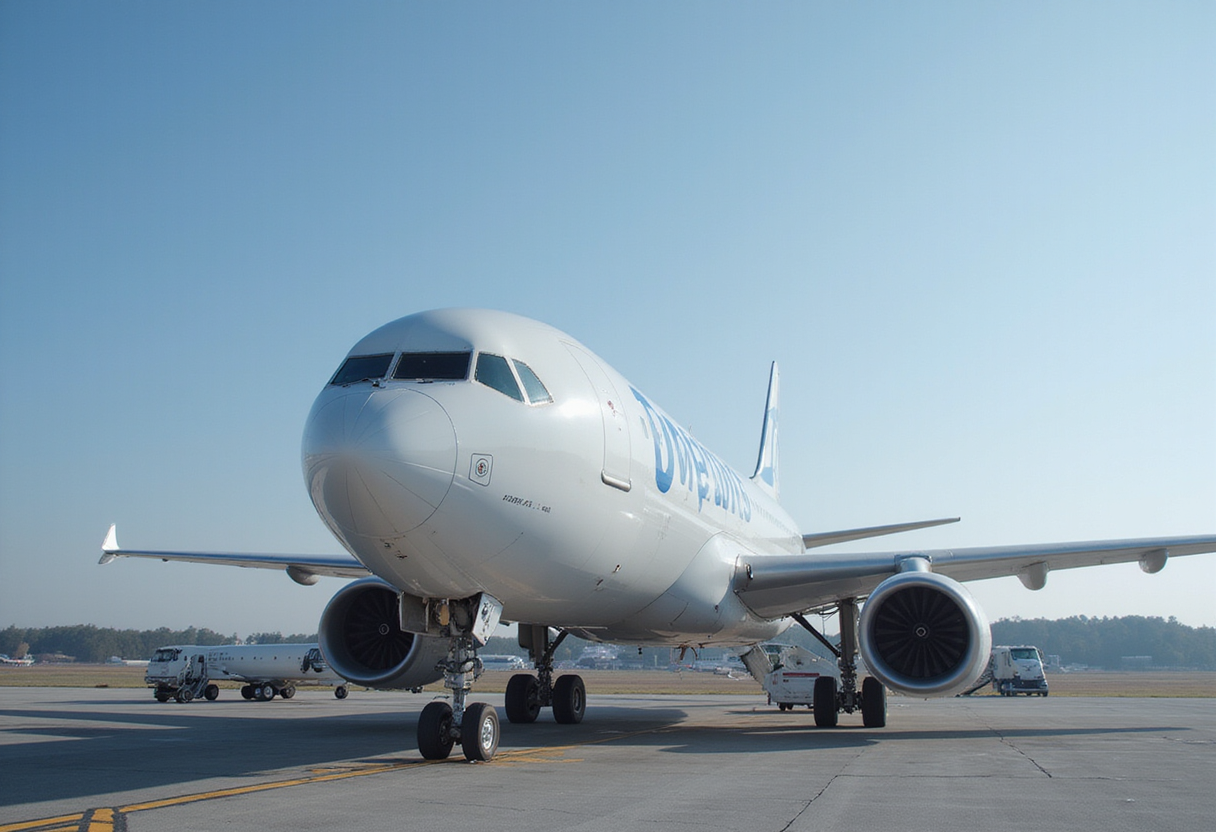
An airline's operating fleet has passed the 100-aircraft mark, according to a report published by Simple Flying. The threshold matters less as a round number than as a structural marker: crossing 100 airframes typically moves a carrier out of the mid-size operator class and into the weight bracket where fleet planning, maintenance scheduling and pilot training pipelines carry materially different cost and complexity profiles.
Simple Flying's report did not initially specify the carrier's name, delivery schedule or fleet composition in the syndicated headline. What the milestone does establish is that at least one operator has continued to grow its fleet in a market where growth itself has become constrained. That constraint is the defining fact of the current delivery cycle.
The context matters. Airbus and Boeing, the two dominant OEMs, have spent the past two years missing original delivery guidance, and airlines across every region have watched scheduled fleet additions slip by quarters. Against that backdrop, a carrier adding enough airframes to move its fleet count past 100 has done something that requires either early delivery slots secured years ago, acceptance of available production positions other operators declined, or a ready lessor market. The lessors — AerCap, Avolon, BOC Aviation and their peers — have become the swing suppliers of capacity in this cycle, and fleet growth of this size almost always includes a mix of direct orders and leased units.
The 100-aircraft figure also carries operational consequences that a raw count understates. A fleet of that size generally justifies standing up in-house heavy maintenance capability or signing long-term MRO agreements with defined turnaround guarantees, rather than relying on ad hoc shop slots. It implies a pilot corps measured in the thousands once crew ratios, reserves and training pipelines are counted. And it changes the carrier's negotiating position with OEMs: an operator above 100 airframes ordering replacement and growth aircraft in meaningful blocks commands pricing and delivery-position terms that smaller operators cannot.
There is a regulatory dimension as well. Scale past this threshold typically coincides with oversight intensity increasing — more airframes means more mandatory reporting, more airworthiness directive tracking, and in most jurisdictions a supervisory relationship that grows commensurate with fleet size. Regulators do not treat a 99-aircraft operator and a 110-aircraft operator identically once fleet commonality, route structure and maintenance program scope are factored into surveillance planning.
For network planners, the milestone signals intent. Fleets do not drift past 100 aircraft accidentally. Every airframe added is a capital commitment tied to a route, a slot pair or a replacement decision, and the financing — whether balance-sheet debt, sale-and-leaseback or direct purchase — was arranged well before the aircraft arrived. A carrier crossing the line now is executing decisions made two to four years ago, in a capital environment that was already tightening before interest rates rose.
The verification question is the one that follows any such milestone. Fleet counts are not a single number: operators report aircraft in service, aircraft in the fleet but parked, and aircraft on order, and the gaps between those figures can be wide. A fleet that has passed 100 in service is a different operational statement than one that has passed 100 including stored airframes awaiting engines or heavy checks. Delivery records and registry filings, not press releases, settle the distinction.
What the report documents, at minimum, is continued fleet expansion in a delivery-constrained market — evidence that capacity is still flowing to operators positioned to absorb it. Whether the carrier sustains that growth curve depends on factors the milestone itself cannot answer: the state of its delivery backlog, the depth of its crew pipeline, and the health of the markets those added aircraft are scheduled to serve.
via Google News: Aircraft orders and fleets (Source)
More from Priya Raman
Same bay
- FDR283Industry order backlog tops 17,000 aircraft for first time · September 30, 2026
- FDR602Boeing Books 100-Aircraft Order from SMBC · September 30, 2026
- FDR687Boeing Books 100-Aircraft Order From SMBC Aviation Capital · September 28, 2026
- FDR265India Moves to Expand Pilot Training as Airline Fleet Growth Surges · September 30, 2026
- FDR483MEA to Cross 100-Aircraft Mark with 11 Boeing 737 MAX Deliveries in 2026 · September 30, 2026