Safety & OperationsClearance sheet
Delta Weight-and-Balance Outage Delayed 48% of Flights
A Delta weight-and-balance automation failure triggered an FAA ground stop and 57-minute average delays at Atlanta on November 22, with 48% of flights delayed days before Thanksgiving.
Read-back
- About 48% of Delta flights were delayed by midday Sunday, November 22, 2026, per FlightAware data cited by AP.
- An FAA advisory at 8:32 a.m. ET reported average assigned delays of 57 minutes and maximum delays of 111 minutes.
- The ground delay programme was set to run until 12:59 p.m. but restrictions lifted before noon.
- The FAA confirmed the outage was unrelated to its own air traffic control systems.
- The failure followed a nationwide FAA system outage on November 13 and a United Airlines tech disruption earlier in November, with no confirmed link.
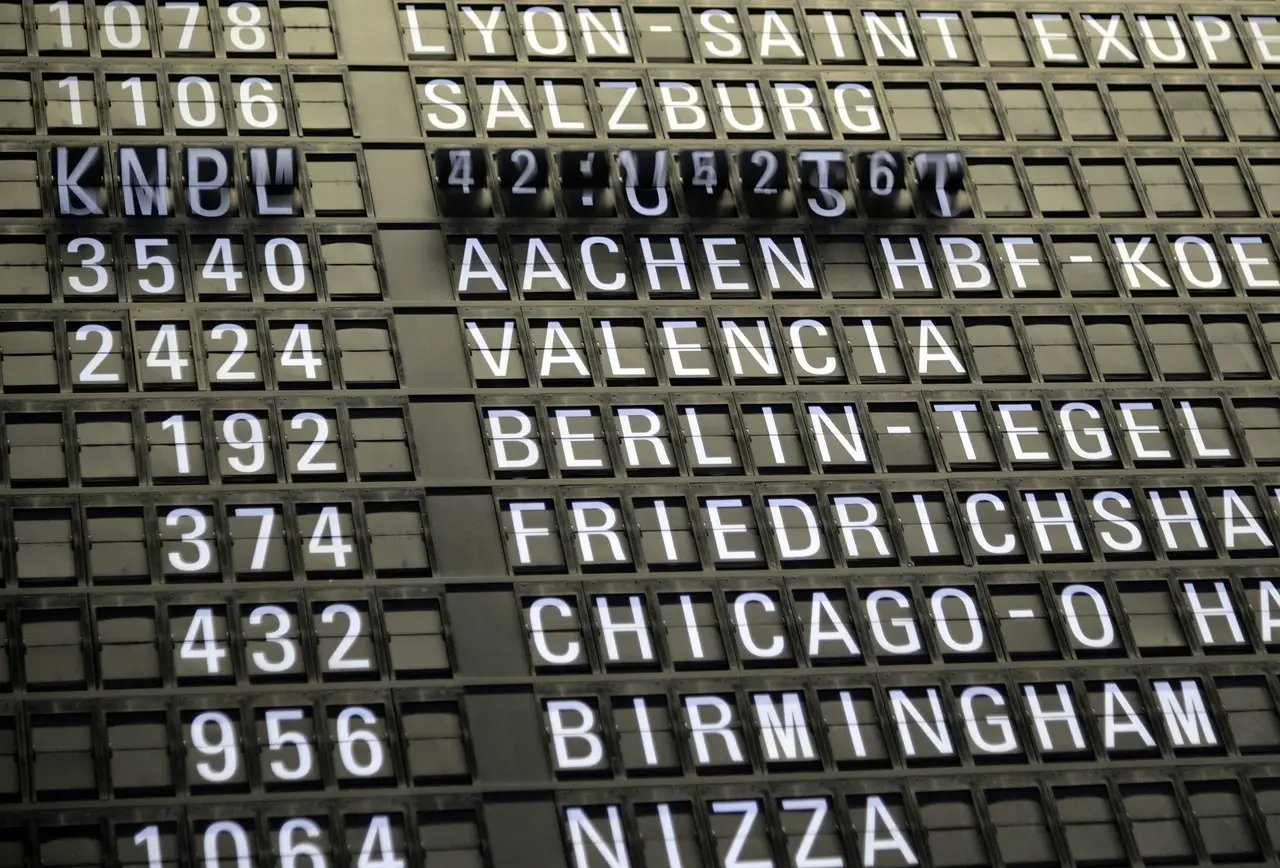
Roughly 48% of Delta Air Lines flights ran late by midday Sunday, November 22, 2026, after a failure in the carrier's automated weight-and-balance system grounded operations at its Atlanta hub two days before Thanksgiving.
The disruption forced the Federal Aviation Administration to impose a temporary ground stop on Delta flights bound for Hartsfield-Jackson Atlanta International Airport. The FAA later replaced the stop with a carrier-specific ground delay programme. An advisory issued at 8:32 a.m. Eastern reported average assigned delays of about 57 minutes. Maximum delays reached 111 minutes.
The programme was initially scheduled to run until 12:59 p.m. Restrictions lifted before noon, according to subsequent reporting. That timeline matters. The formal cap outlived the actual restriction.
What failed, exactly?
Delta said the outage involved automation used to calculate aircraft weight and balance before departure. Those calculations determine whether an aircraft is loaded safely, accounting for passengers, baggage, cargo and fuel. Every flight must meet specific weight and centre-of-gravity limits before it can legally depart.
When the automated system went down, Delta employees switched to manual procedures to complete the required checks. The airline said technicians worked to restore automation while the carrier coordinated with air traffic controllers to manage congestion at Atlanta.
Manual load control works. It is slower. On a peak Sunday before Thanksgiving, slower departures compound quickly, and they did: delayed aircraft and crews knocked schedules out of alignment across Delta's domestic network, well beyond Georgia.
The FAA separately confirmed the disruption was not related to its own air traffic control systems. That distinction is not trivial. It places the failure inside Delta's own operational technology stack, not the national airspace infrastructure.
How bad were the delays?
Numbers from midday Sunday, based on FlightAware figures cited by the Associated Press:
- About 48% of Delta flights network-wide had experienced delays.
- At Atlanta, roughly 38% of departing flights were delayed.
- About 36% of arriving flights were late at the same reporting point.
These figures are a snapshot, not final daily totals. Delta had not published a definitive completion time for full operational recovery when the first disruption reports went out. Treat any claim of a swift return to normal with caution; lifting the FAA restrictions did not mean delayed flights snapped back to schedule.
What does this change for Thanksgiving travellers?
Passengers booked on Delta should verify departure times through the airline's website or mobile app before heading to the airport. Travellers with connections should check the status of subsequent flights even if the first leg looks clean. Atlanta is Delta's primary hub, and thousands of passengers connect there between domestic and international destinations; late arrivals cascade into missed connections and crew scheduling knock-ons.
The timing sharpened the impact. Airlines were entering one of the busiest travel weeks of the year, when aircraft and crews are scheduled with minimal slack.
A pattern, or coincidence?
The November 22 failure follows a separate nationwide FAA system failure on November 13 and a technology disruption at United Airlines earlier in November. No confirmed technical connection links those incidents to Delta's outage. The clustering invites scrutiny all the same. Three US aviation technology failures inside one month is either bad luck or a signal about ageing systems and resilience investment.
Delta has not said what caused the weight-and-balance automation to fail, how long the manual procedures added to turnaround times, or whether redundancy exists for this specific system. The airline confirmed the workaround and the restoration effort. It did not confirm a root cause. Expect those questions to follow the carrier into the holiday week, when the network has no room for a second failure.
By James Calloway
via rustourismnews.com (Source)
More from James Calloway
Show full bio
Staff writer covering people, launches and day-to-day practice in Commercial aviation industry coverage at Flightdeck Report.
727 articles
Same bay
- Delta delays 1,300+ flights after weight-and-balance system outage · November 22, 2026
- Flights Resume After Air Traffic Control Outages · September 30, 2026
- FAA Orders Nationwide US Ground Stop on November 13 · November 14, 2026
- FAA Halts Miami-Bound Flights as Flooding Storms Blanket South Florida · November 19, 2026
- United technology outage disrupts US departures on November 16 · November 17, 2026