Clearance CLR-1260 · AIR925
AIRDGC
Airlines & NetworksClearance sheet
DGCA steps up scrutiny of SpiceJet as market share slips to 1.6%
India's DGCA is monitoring SpiceJet after its domestic market share fell to 1.6% in July 2026. The carrier owes staff three and a half months of pay and plans to wet-lease 20 aircraft by mid-October.
Read-back
- SpiceJet's domestic market share fell to 1.6% in July 2026 from 1.9% in June, per DGCA data cited by PTI
- Employees are owed three and a half months of unpaid wages
- SpiceJet has drawn 1.5 billion rupees (~$15.7 million) under ECLGS and is awaiting a further 3.5 billion rupees
- In August 2026, India's NCLT postponed its bankruptcy ruling after SpiceJet settled with one of eight lessors
- SpiceJet plans to wet-lease 20 aircraft and near-triple its active fleet by mid-October 2026
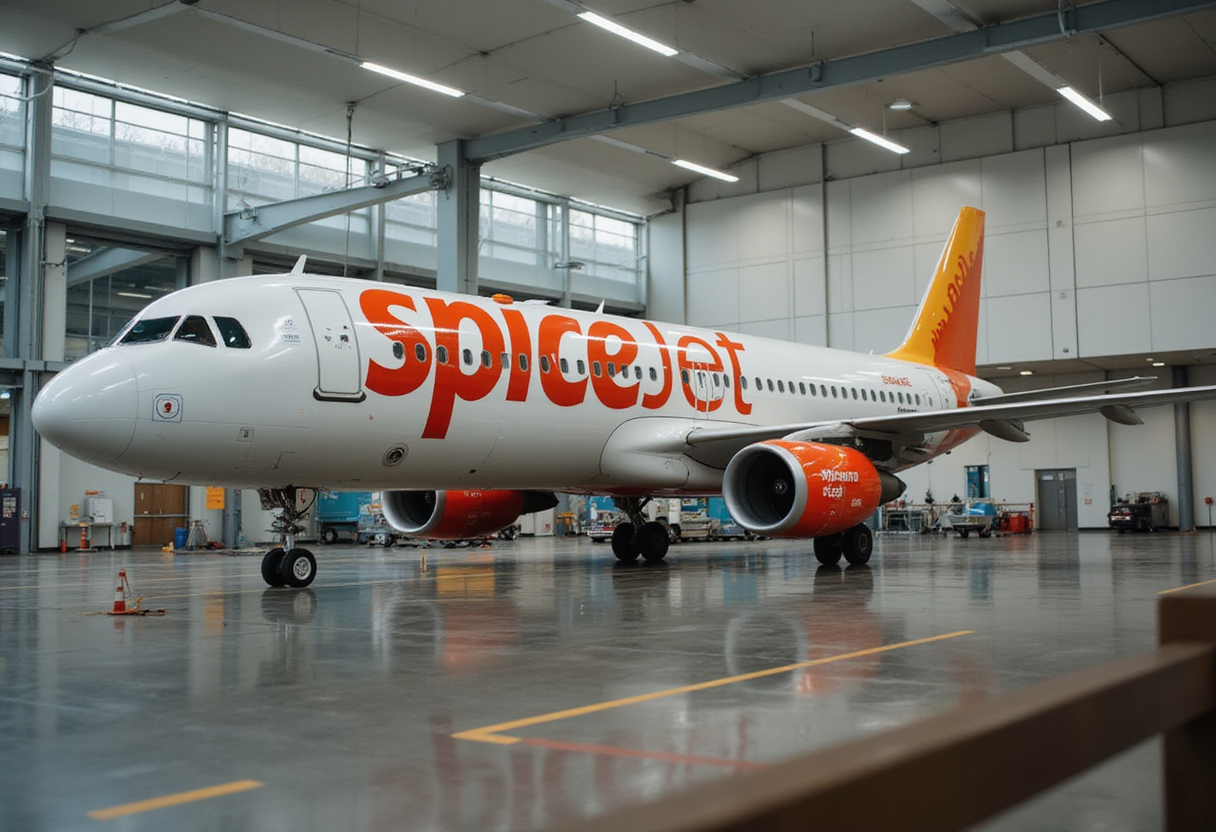
India's Directorate General of Civil Aviation (DGCA) is monitoring SpiceJet's operations and finances after the carrier's domestic market share fell to 1.6% in July 2026, down from 1.9% in June, Civil Aviation Minister Ram Mohan Naidu said on September 22, 2026.
The regulator is examining whether SpiceJet's cash crunch is compromising safety, Naidu told reporters. "The government's priorities were maintaining safe operations and preventing further disruption to passengers," he said, adding that the ministry remained in contact with the airline but had limited scope to intervene in the affairs of a privately owned carrier.
The scrutiny comes as the airline's financial and operational pressures mount on several fronts simultaneously. The carrier owes employees roughly three and a half months of unpaid wages and has been cancelling flights on short notice.
SpiceJet has drawn 1.5 billion rupees (about $15.7 million) under the government's Emergency Credit Line Guarantee Scheme (ECLGS), a financing facility extended to support airlines affected by the Middle East conflict. Officials are awaiting a further 3.5 billion rupees from the same programme while executives negotiate with banks to close the remaining funding gap.
Where does the bankruptcy case stand?
In August 2026, India's National Company Law Tribunal (NCLT) postponed a ruling on insolvency petitions after SpiceJet disclosed a last-minute settlement with one of eight aircraft lessors. The court criticised the timing of the agreement, which forced the delay. The tribunal's eventual verdict will determine whether the airline can restructure its obligations without grounding additional aircraft.
Naidu said the airline would need to work with banks to resolve its remaining funding needs. With eight lessor petitions still active, the question is whether further settlements will follow the August template — or whether residual creditors will press for liquidation.
How will SpiceJet rebuild capacity?
SpiceJet plans to nearly triple its active fleet by mid-October by wet-leasing 20 aircraft. The wet-lease arrangement, rather than a direct operating lease, lets SpiceJet bring in capacity without taking balance-sheet exposure on the airframes themselves. Senior management is also weighing further fundraising options alongside the pending ECLGS disbursement.
Whether the leased metal enters revenue service on schedule will dictate the carrier's ability to restore its timetable before the winter travel peak. Each aircraft added or grounded moves the airline's break-even load factor by several points, given the fixed cost base already in place.
What are the operational consequences?
A fleet stuck well below target size translates directly into cancelled rotations and lower load factors on the routes that do operate. SpiceJet's shrinking share has already ceded domestic capacity in trunk and Tier-2 markets the airline once dominated.
The DGCA's review focuses on safety rather than solvency, but the two are increasingly intertwined. Cash shortages affect maintenance reserves, crew training cycles and spare-parts inventories — metrics the regulator tracks. A formal finding of safety non-compliance could trigger aircraft grounding or schedule restrictions, deepening the crisis.
What happens next?
Continued ECLGS disbursement, bank lending and lessor forbearance will determine whether SpiceJet operates through the first quarter of 2027 without entering formal insolvency. The DGCA's monitoring, the NCLT's delayed ruling and the mid-October wet-lease target converge on a narrow window. If any one slips, the carrier's 1.6% domestic share leaves almost no buffer for further contraction.
via business-standard.com (Original)
More from Sophie Lindqvist
Show full bio
Senior reporter covering industry trends and analytics at Flightdeck Report.
329 articles
Same bay
- FDR423DGCA Puts SpiceJet Under Operational and Financial Surveillance · September 30, 2026
- FDR765Middle East traffic down 10% as fuel tops $171 · September 26, 2026
- FDR768Malaysia Contingency-Plans AirAsia Route Transfers as Losses Deepen · September 30, 2026
- FDR582Azul draws R$1.3 billion BNDES loan, targets R$2.66 billion total · September 30, 2026
- FDR295Volotea to shrink fleet by up to a third as it seeks debt relief · September 30, 2026