Clearance CLR-6571 · AIR624
AIRDUF
Airspace & RegulationClearance sheet
Duffy advances $30 billion ATC modernization proposal
Transportation Secretary Sean Duffy has put forward a $30 billion proposal to modernize the US air traffic control system, the largest single ATC commitment since NextGen's $6 billion deployment arc.
Read-back
- Duffy has proposed a $30 billion US air traffic control modernization program
- The figure would mark the largest ATC-specific capital commitment since NextGen's deployment arc began in 2007
- NextGen ran roughly $6 billion in cumulative investment before absorption into routine operations
- The FAA's annual appropriated budget runs approximately $20 billion across all agency functions
- The kjnbtv.com report does not specify equipment categories, procurement vehicle, or multi-year timeline
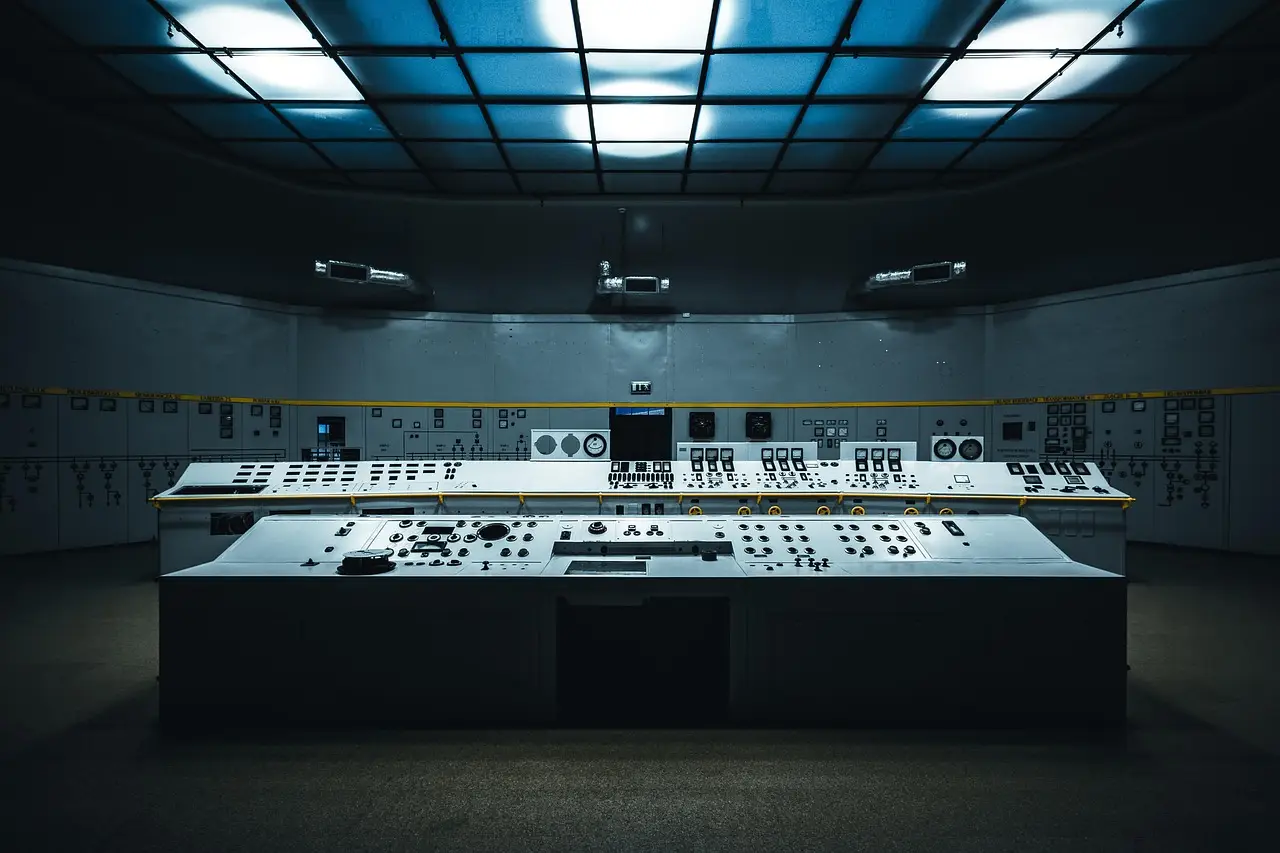
A $30 billion ATC ask reaches Washington
Transportation Secretary Sean Duffy has put forward a $30 billion proposal to modernize the United States air traffic control system, according to a kjnbtv.com report published this week.
The figure would mark the largest ATC-specific capital commitment the FAA has seen since the NextGen program began its deployment arc in 2007. NextGen, focused on satellite-based procedures and digital controller communications, ran roughly $6 billion in cumulative investment before absorption into routine operations.
What the plan would fund
The available reporting names "air traffic control modernization" as the program purpose. In industry practice that label covers controller workstation displays, radar infrastructure, the FAA's 21 Air Route Traffic Control Centers, and roughly 520 staffed control towers.
The en-route automation backbone would also plausibly fall under that umbrella. That system has seen only one major refresh in its operating lifetime, a fact long cited by industry auditors as overdue for recapitalization.
Duffy has framed the proposal as a national-priority capital injection. The narrow details — which facilities receive priority funding, the procurement vehicle, the multi-year timeline — remain unspecified in the available coverage.
Why carriers watch closely
Network carriers feel ATC reliability directly on the operating-cost line. A ground delay program at Atlanta or Newark extends crew duty day, blocks gate availability, and propagates delay downstream across the system.
Delta, American, and United — the three largest operators at the legacy network's ATC-restricted hubs — hold the most direct stake in any reliability improvement.
How the figure stacks up
The FAA's annual appropriated budget runs approximately $20 billion across all agency functions, including airport grants and aviation safety oversight. A $30 billion ATC-specific tranche therefore equals roughly 18 months of total FAA outlay by simple arithmetic.
That scale is large enough to fund broad equipment replacement but not large enough to rebuild the controller workforce that controllers' unions describe as the binding operational constraint.
What remains unspecified
The kjnbtv.com coverage offers a single headline figure and Duffy's framing. The equipment categories, multi-year spend schedule, and procurement route are not detailed in the available source material.
Congressional response will define the actual number and program structure. The Senate Commerce, Science, and Transportation Committee and the House Transportation and Infrastructure Committee hold jurisdiction over FAA funding.
The President proposes. The Congress appropriates. That two-step sequence turns press-cycle numbers into negotiation openings rather than funded program ceilings.
Outlook
A $30 billion headline is, by construction, a negotiating opener. A figure that survives subcommittee mark at 70 percent or more would constitute real money. Anything below 50 percent signals headline over substance.
Watch the FY26 appropriations cycle for the first hard congressional number.
via Google News: Air traffic control and airspace (Source)
More from Grace Kim
Show full bio
News editor covering companies, deals and strategy in Commercial aviation industry coverage at Flightdeck Report.
510 articles
Same bay
- FDR303FAA Backs Additional $30 Billion for ATC, Airport Modernization · September 29, 2026
- FDR663FAA and DOT Seek $30 Billion to Rebuild ATC Infrastructure · September 28, 2026
- FDR123Duffy Seeks $30 Billion Additional for Air Traffic Control · September 28, 2026
- FDR369Duffy picks Air Space Intelligence for ATC software push · October 14, 2026
- FDR928US Pursues Additional $30 Billion for ATC Modernization · September 30, 2026