Clearance CLR-4767 · AIR628
AIREAS
Airspace & RegulationClearance sheet
EASA Warns Airlines to Avoid Parts of Saudi Airspace
EASA has told airlines to avoid portions of Saudi airspace, a directive that could lengthen Europe-Gulf-Asia routings and raise costs on busy corridors.
Read-back
- EASA has warned airlines to avoid parts of Saudi airspace.
- The advisory affects Europe–Gulf–Asia corridors already strained by regional airspace restrictions.
- EASA has not publicly detailed the specific threat behind the warning.
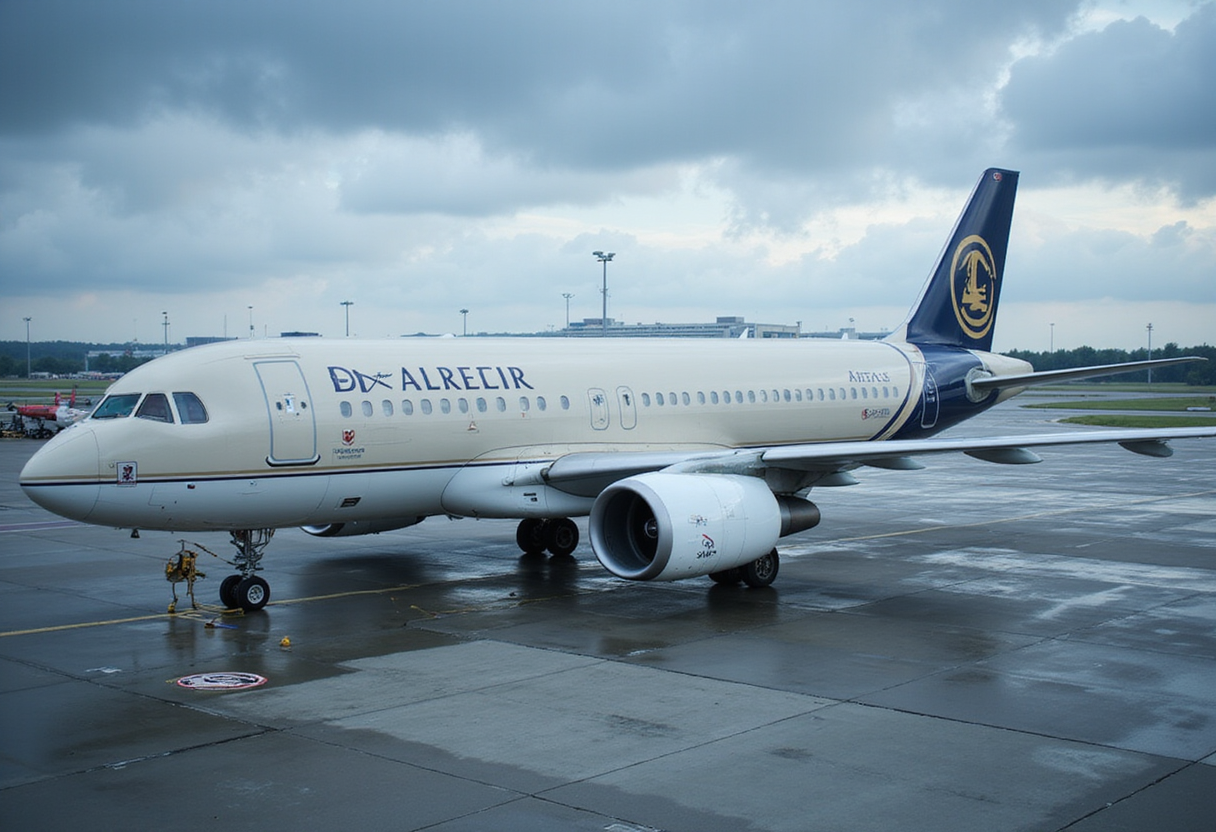
The European Union Aviation Safety Agency (EASA) has warned airlines to avoid parts of Saudi airspace, according to a report by BusinessToday Malaysia.
The advisory directs operators flying to, from or through the Kingdom to steer clear of specified portions of Saudi airspace. EASA issues such guidance through its conflict-zone information bulletins and related safety directives, which European carriers treat as effectively binding when planning routings across the region.
For carriers serving Saudi destinations such as Riyadh, Jeddah and Dammam, the warning carries direct operational consequences. Avoiding the affected airspace can lengthen flight times on Gulf and Asia routings, raising fuel burn and crew costs on sectors that European airlines have expanded aggressively as Saudi Arabia pushes tourism and connectivity growth under its Vision 2030 program.
Rerouting around portions of Saudi airspace would primarily affect traffic between Europe and destinations in the Gulf, South Asia and Southeast Asia — corridors already strained by displacement from restricted airspace over Ukraine, Russia and parts of the Middle East following successive regional conflicts.
Saudi Arabia sits astride some of the world's busiest east-west air corridors, and its national carrier Saudia, along with Gulf rivals Emirates, Qatar Airways and Etihad, depends on unrestricted transit through the region's upper airspace to connect Asia with Europe and North America.
EASA has not, according to the report, detailed the specific threat driving the warning. Similar advisories in the past have followed assessments of missile activity, drone operations or elevated military posture near civil air routes.
Airlines are expected to incorporate the guidance into flight planning with immediate effect, and operators with published schedules across the Arabian Peninsula may need to adjust routings and block times until the advisory is revised or withdrawn.
via Google News: Air traffic control and airspace (Source)
More from Sophie Lindqvist
Show full bio
Senior reporter covering industry trends and analytics at Flightdeck Report.
161 articles
Same bay
- FDR181EASA warns airlines to avoid parts of Saudi airspace · September 30, 2026
- FDR806EASA Issues Advisory Covering Saudi Arabian Airspace · September 30, 2026
- FDR848EU Aviation Agency Issues Saudi Airspace Advisory After Houthi Attacks · October 1, 2026
- FDR792EASA Issues Saudi Airspace Advisory After Houthi Attacks · September 30, 2026
- FDR820EU Aviation Agency Issues Saudi Airspace Advisory After Houthi Attacks · September 30, 2026