Clearance CLR-3675 · AIR474
AIREAS
Air CargoClearance sheet
Eastar Jet Adds Cargo Operations on Seoul–Manado Route
Eastar Jet has launched air cargo service on its Korea–Manado route, its first freight move into Indonesia. Capacity and tonnage targets remain undisclosed.
Read-back
- Eastar Jet launched air cargo service on its Seoul–Manado, Indonesia route
- The service marks the low-cost carrier's entry into freight on the Indonesia corridor
- Tonnage, frequency and aircraft configuration for the cargo operation remain undisclosed
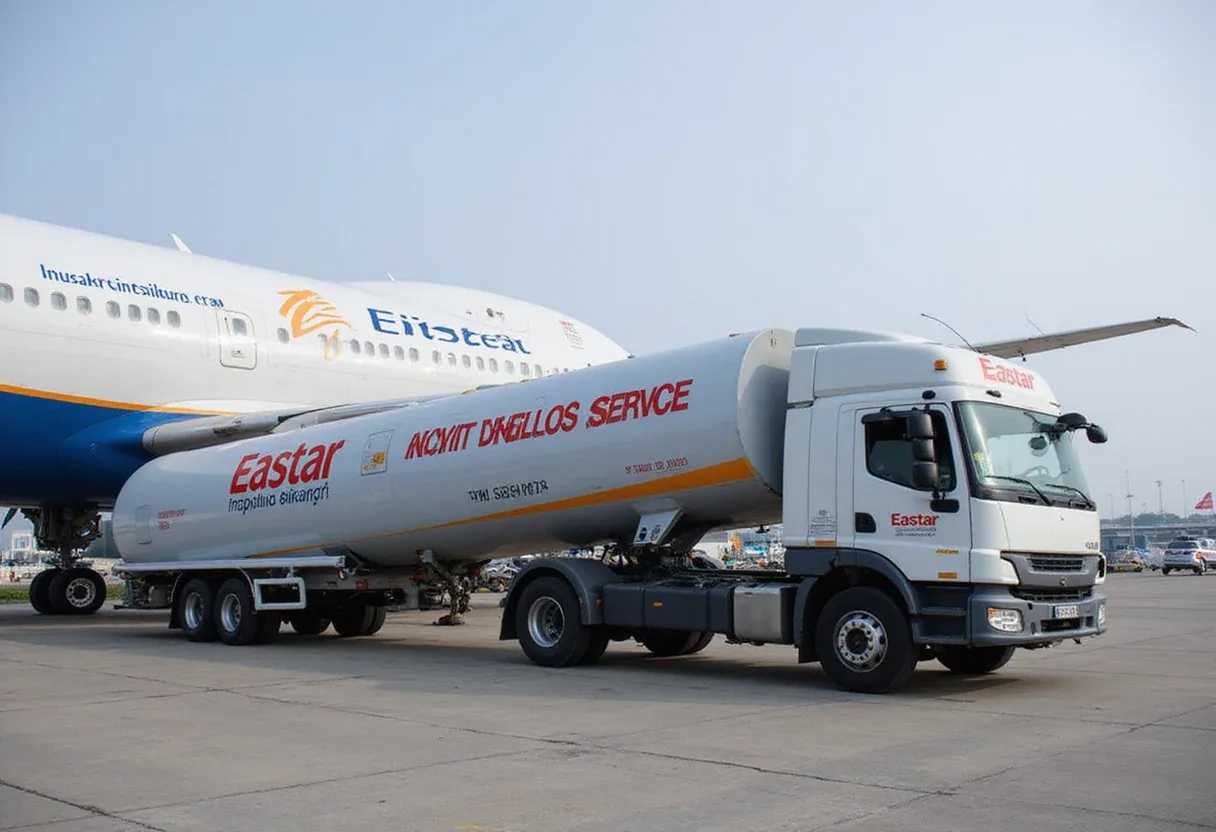
Eastar Jet has launched an air cargo service on its route linking South Korea with Manado, Indonesia, marking the Korean low-cost carrier's first move into freight on the Southeast Asian corridor. The Seoul Economic Daily first reported the launch.
The decision gives Eastar Jet a second revenue stream on a route it already serves with passenger aircraft. Cargo capacity on the Manado service will let the carrier sell belly space to freight forwarders moving goods between Korea and northern Indonesia. The carrier has not disclosed tonnage targets, frequencies or the aircraft configuration assigned to the freight operation.
Why is a low-cost carrier adding cargo?
For a budget operator, belly cargo is the cheapest form of freight capacity: no dedicated aircraft, no separate certificate, no new crew. The economics work when a route carries dense freight in one direction — seafood, textiles, electronics components — and passengers in both.
Manado fits that profile. The city sits in North Sulawesi, a region that exports perishables and processed goods to Northeast Asia. Korean carriers have historically served the Indonesia market through Jakarta and Denpasar; a cargo offering on Manado signals Eastar Jet sees enough unmet freight demand to monetize the route beyond ticket sales.
What does this change for the carrier and the market?
Eastar Jet, which restructured after the pandemic, has been rebuilding its international network from a shrunken base. Adding cargo converts existing metal into incremental revenue rather than requiring capital spend. That is the standard low-cost playbook: extract more from each departure before adding departures.
The competitive read is straightforward. Korean Air and Asiana dominate Korea–Indonesia freight with widebody capacity through their main hubs. A low-cost entrant will not challenge that volume. It can, however, take the lower-yield, time-sensitive shipments that fall below the flag carriers' economics — consolidation freight, e-commerce parcels, regional perishables.
The open questions are operational. Eastar Jet has not published cargo capacity figures, loading equipment plans or ground-handling arrangements at Sam Ratulangi International Airport. Until it does, the launch is a route extension, not a freight strategy.
The carrier's willingness to disclose tonnage and utilization in coming quarters will indicate whether this is a genuine business line or a marginal add-on to fill otherwise empty holds.
via Google News: Air cargo (Source)
More from Grace Kim
Show full bio
News editor covering companies, deals and strategy in Commercial aviation industry coverage at Flightdeck Report.
458 articles
Same bay
- FDR734Korean Budget Carriers Pivot to Cargo as Chip Boom Reshapes Demand · October 12, 2026
- FDR585Korean Air Posts Record Third-Quarter Revenue on AI Cargo Demand · October 15, 2026
- FDR754Lufthansa Cargo moves to strengthen network and Asia Pacific capacity · October 12, 2026
- FDR474Delta Air Lines reports another strong increase in cargo revenues · October 12, 2026
- FDR869Transpacific air cargo demand outpaces available lift · October 9, 2026