Finance & DealsClearance sheet
EasyJet profit collapses to £24m as fuel costs climb £244m
EasyJet's nine-month profit fell from £658m to £24m as Middle East conflict added £244m in fuel costs; Apollo's £5.7bn takeover takes effect in Q1 2027.
Read-back
- EasyJet's nine-month 2026 net profit fell to £24 million, from £658 million in the same period of 2025.
- The Middle East conflict drove a £244 million increase in fuel costs, the airline said.
- Group revenue rose 6.2% to £10.74 billion; the airline division lost £195 million net.
- Apollo's £5.7 billion takeover, agreed Aug. 6, 2026, puts the carrier under its management from Q1 2027.
- EasyJet targets £250 million in cost-efficiency savings over the next two years.
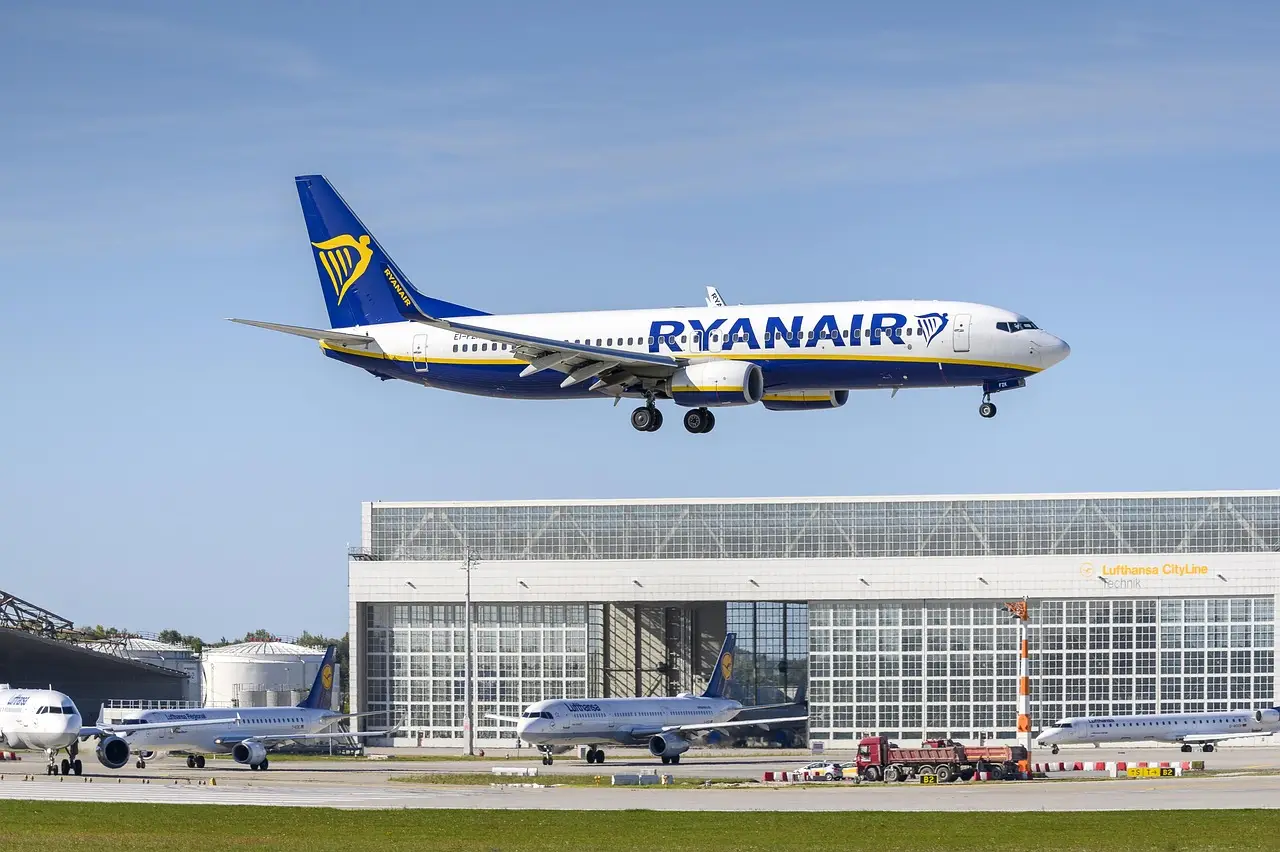
EasyJet plc posted a net profit of £24 million for the first nine months of 2026, down from £658 million in the same period a year earlier — a 96% collapse that the carrier blames squarely on the Middle East conflict. Revenue, by contrast, rose 6.2% to £10.74 billion between January and September 2026. More money coming in, then, and almost none of it staying put.
Where did the money go?
The airline division recorded a net loss of £195 million. A spokesperson for the company said: “The significant deterioration in airline results principally reflects the impact of the Middle East conflict, which contributed to a £244 million increase in fuel costs, and weakened consumer demand.” That is a fairly complete explanation: fuel up, fares pressured, margins gone.
EasyJet Holidays provided the cushion. The package business earned £229 million from January to September 2026, against £253 million in 2025 — a modest decline of £24 million, but the segment kept the group's headline number positive. Without it, the ledger would read rather worse than £24 million.
Costs also rose on spending at subsidiary EasyJet Europe's new bases at Milan Linate Airport (LIN) and Rome Fiumicino Leonardo da Vinci International Airport (FCO). Growth costs money before it earns any. In response, management has set a target of £250 million in cost-efficiency savings over the next two years.
Does the Apollo takeover change the picture?
Ownership certainly does. US-based asset management firm Apollo agreed a £5.7 billion takeover on Aug. 6, 2026, and the airline is expected to pass under its management from the first quarter of 2027. That timeline gives Apollo roughly four financial reporting periods to confront the fuel bill and the demand softness before the transaction closes.
The arithmetic is not subtle. A £244 million fuel increase, taken against a prior-year profit of £658 million, accounts for the bulk of the deterioration on its own. Add weakened consumer demand, which compresses the revenue per passenger that might otherwise have absorbed the fuel shock, and the £634 million swing from £658 million to £24 million becomes legible.
What does the two-year plan promise?
The £250 million efficiency programme is, for now, a target rather than a delivered result. It amounts to roughly £125 million per year against a cost base that produced a £195 million airline loss over nine months. Readers may judge for themselves whether that ratio closes the gap.
There is also the question of what “cost efficiency” means in practice when the group is simultaneously funding new Italian bases. Expansion at Linate and Fiumicino was the airline's own cited driver of higher expenditure this year. Capital deployed into growth and savings extracted from operations are, at minimum, pulling in different directions on the timeline Apollo is inheriting.
The holidays unit offers the one structurally comforting number: £229 million of profit, down only £24 million year on year while the airline business moved £195 million into the red. Diversification, in this case, did precisely what diversification is meant to do.
Whether the group's next nine-month figure lands above or below £24 million will depend on two variables the carrier does not control: the trajectory of the Middle East conflict and its transmission into jet fuel prices, and the willingness of European consumers to keep booking. Apollo's £5.7 billion will find out, starting in the first quarter of 2027.
via travelradar.aero (Source)
More from Grace Kim
Show full bio
News editor covering companies, deals and strategy in Commercial aviation industry coverage at Flightdeck Report.
710 articles
Same bay
- Jet2 shares fall 5% after 19% profit drop despite record traffic · November 19, 2026
- EasyJet Shareholders Approve Apollo's £5.7bn Takeover by 97% · November 17, 2026
- easyJet Puts 18 New UK Routes on Sale for Summer 2027 · October 10, 2026
- EasyJet Opens Consultation on Up to 50 Head Office Job Cuts · November 11, 2026
- Airbus Q3 profit falls 9% as deliveries slow, 870 target stands · October 29, 2026