Clearance CLR-7472 · AIR133
AIRELN
Air CargoClearance sheet
El Niño and transport blockages disrupt Latin America produce exports
A nine-day Chilean port strike, El Niño crop damage and Ezeiza runway restrictions raise costs and disrupt Latin American produce exports to China and other markets.
Read-back
- Chile’s San Antonio truckers’ strike lasted nine days before an 8% overland rate adjustment and indexing agreement.
- The first Cherry Express to China, due Nov. 9 with loading two days earlier, diverted to Valparaíso; the port was at 90% storage capacity.
- Argentina-Chile border closures totalled 10 days, against a normal southern-winter shutdown of a couple of days.
- Proarandanos’ mid-October Peruvian blueberry forecast was down 10% year on year; Q4 was projected nearly 25% lower despite 15% more acreage.
- Ezeiza’s main runway was cut from 3,300m to 1,850m from Oct. 26 to Nov. 15; several airlines suspended flights, and Chile airfreight prices rose up to 35%.
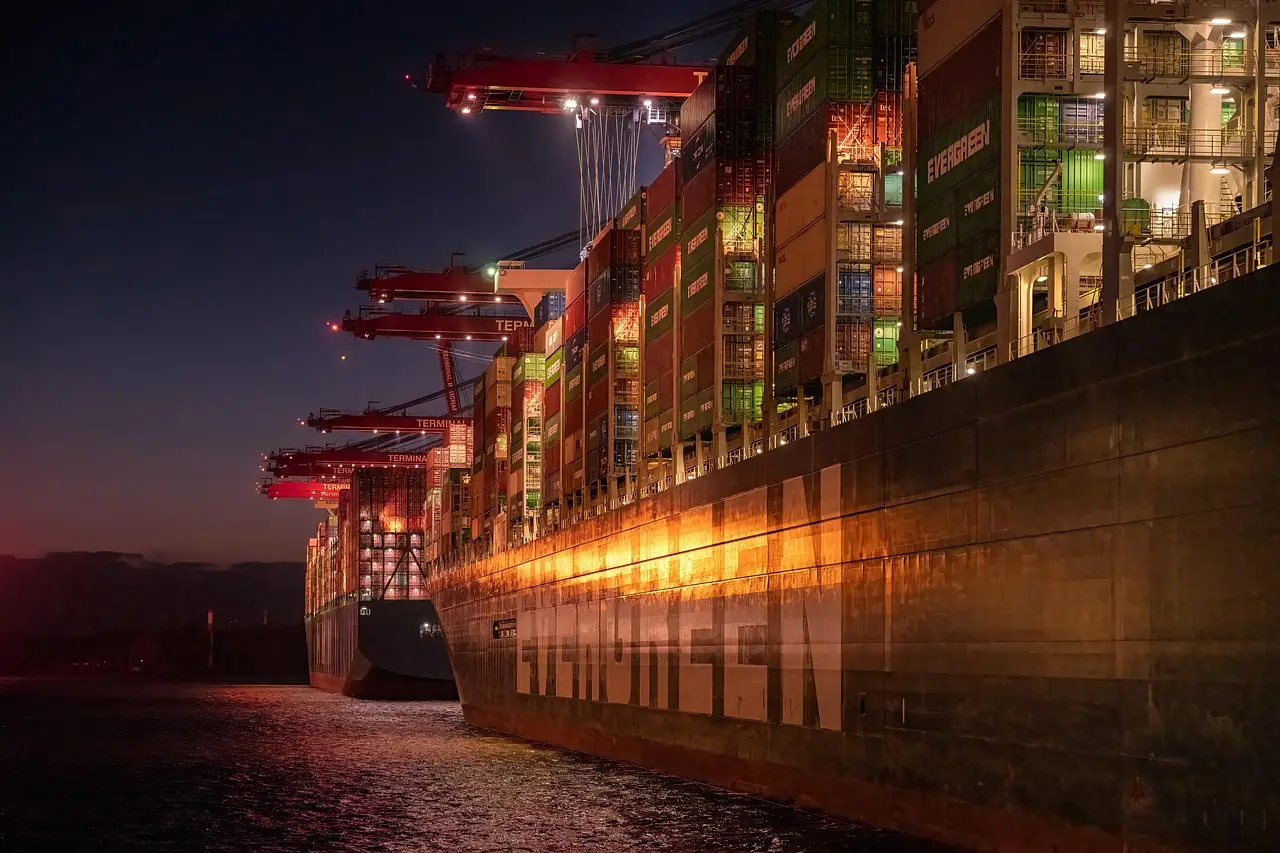
A nine-day truckers’ strike at Chile’s Port of San Antonio forced the first “Cherry Express” to China to divert to Valparaíso before its scheduled Nov. 9 sailing. Loading had been set to begin two days earlier, and the blockade struck as Chile’s cherry export season officially began.
Truckers staged the protest over stalled freight rates, rising fuel costs and new charges on the main highway between San Antonio and Santiago. It stopped trucks from reaching the port’s container terminals, turning a transport-cost dispute into a sailing and crop-quality problem.
San Antonio is Chile’s main marine gateway for cherries, which have gained ground over airfreight in recent years. The port reportedly handles nearly half of Chile’s fruit exports, so the closure affected a central export gateway.
Frutas de Chile called for a swift end to the strike, warning that a prolonged stand-off would damage crop quality. Storage at the port had already reached 90% of capacity, leaving little room to hold fruit while road access remained restricted.
Protesters called off the blockade late on Friday after nine days. They reached an 8% adjustment to overland freight rates (inland trucking charges) and a commitment to implement an indexing mechanism, but the first Cherry Express had already been diverted to Valparaíso, forcing exporters to move cherries there.
El Niño compounded the transport disruption with a smaller, lower-quality Chilean cherry crop after heavy rainfall. The climate phenomenon has been flagged as an extreme weather event and affected crops elsewhere in South America.
On Nov. 2, Chile’s Ministry of Agriculture declared an agricultural emergency in parts of the Maule region, an area dominated by forestry and agriculture, especially wine growing. Media reported serious damage from rain, hail and strong winds, adding crop losses to the logistics constraints.
Snow on the Andean passes and repeated heavy rain blocked Argentina’s main road to Chilean ports. Closures at the border totalled 10 days. Federico Calvo, director of Intermodal Logistics, said such crossings normally shut for only a couple of days during the southern winter.
Calvo also said: “Exporters in Chile have been very worried about the situation.” He added: “Cherry volumes are starting up, but not as strong.”
The disruption also threatens Argentine and Chilean blueberry growers at a time when Peru’s weather-related slowdown could open space for southern exporters. Peru had become South America’s largest blueberry producer through rapid expansion of cultivated areas, but El Niño now weighs on its output.
Peru’s industry body, Proarandanos, lowered its crop forecast several times. Its mid-October estimate sat 6% below the start-of-month projection and 10% below the prior year, despite a 15% rise in production acreage, while the fourth-quarter forecast pointed to a decline of nearly 25%.
Last week, Peru’s Ministry of Foreign Trade and Tourism called a meeting with government agencies and industry bodies to discuss maintaining operations during climate-related disruptions. Proposals included identifying vulnerable ports and transport routes, evaluating alternative routes and setting up response procedures for logistics disruptions.
What does this change for Chilean and Argentine exporters?
It raises the cost and risk of moving produce, although the effects differ by mode and route. Marine shipments face delayed port access, storage pressure and a weaker Chilean crop, while airfreight faces restricted airport operations and higher fuel surcharges.
Chilean and Argentine shippers already using or considering airfreight have encountered these constraints directly. A simple switch from sea to air offers no automatic relief, because the alternative route carries its own operating restrictions and price penalties.
The most concrete airfreight constraint comes from work on the intersection between Buenos Aires’ Ezeiza secondary runway and the airport’s main runway. From Oct. 26 to Nov. 15, the project cut the main runway from 3,300m to 1,850m.
Several airlines suspended flights to Ezeiza during the period. A few added refuelling stops in Montevideo or São Paulo so they could reduce take-off weight at Ezeiza.
Calvo said airfreight pricing rose as a result. For airlines serving Chile’s capital, fuel-surcharge adjustments (airline additions tied to fuel costs) translated into produce freight price increases of up to 35%, adding another cost to shippers already dealing with damaged crops and disrupted land routes.
No cargo-tonnage figures, baseline air rates or schedule reductions were reported, so the size of the airfreight capacity loss remains unquantified. The measurable effects are a dated runway restriction, airline suspensions, added stopovers and price increases of up to 35%.
The next test is whether Peru’s proposed disruption procedures and the restored San Antonio road link can preserve export schedules once Ezeiza’s runway work ends on Nov. 15. For now, the Nov. 9 Cherry Express has shifted ports, while exporters face disrupted land links, restricted airport operations and airfreight price increases of up to 35%.
via The Loadstar (Source)
More from Sophie Lindqvist
Show full bio
Senior reporter covering people, launches and day-to-day practice in Commercial aviation industry coverage at Flightdeck Report.
622 articles
Same bay
- FDR964Week 44 podcast maps port and air cargo capacity risks · November 8, 2026
- FDR497Ecommerce boom fails to fix Latin America air cargo imbalance · November 3, 2026
- FDR896Transpacific Rates Stay Elevated as Peak Season Nears · September 27, 2026
- FDR565Tocumen Airport Signs Cargo Collaboration Deal With SATS · October 10, 2026
- FDR350Colombia Air Cargo Market 'Absolutely Booming' as Ecommerce Squeezes Capacity · October 2, 2026