Clearance CLR-9534 · AIR657
AIRENV
Air CargoClearance sheet
Envirotainer expands Americas active-container network
Envirotainer has expanded its active temperature-controlled container network across the Americas, the Swedish-headquartered operator confirmed via Air Cargo Week, though specific station additions and container counts were not disclosed.
Read-back
- Envirotainer has expanded its active container network across the Americas, per Air Cargo Week
- The Swedish-headquartered operator is a major provider of active temperature-controlled containers including the RAP e2 and CryoSure units
- Specific airports added to the network, container counts, and lease-rate effects were not disclosed in the initial report
- Active container availability has historically constrained pharma capacity at U.S. gateways during peak vaccine and biologic launch windows
- Envirotainer competes most directly with CSafe Global in the active container segment
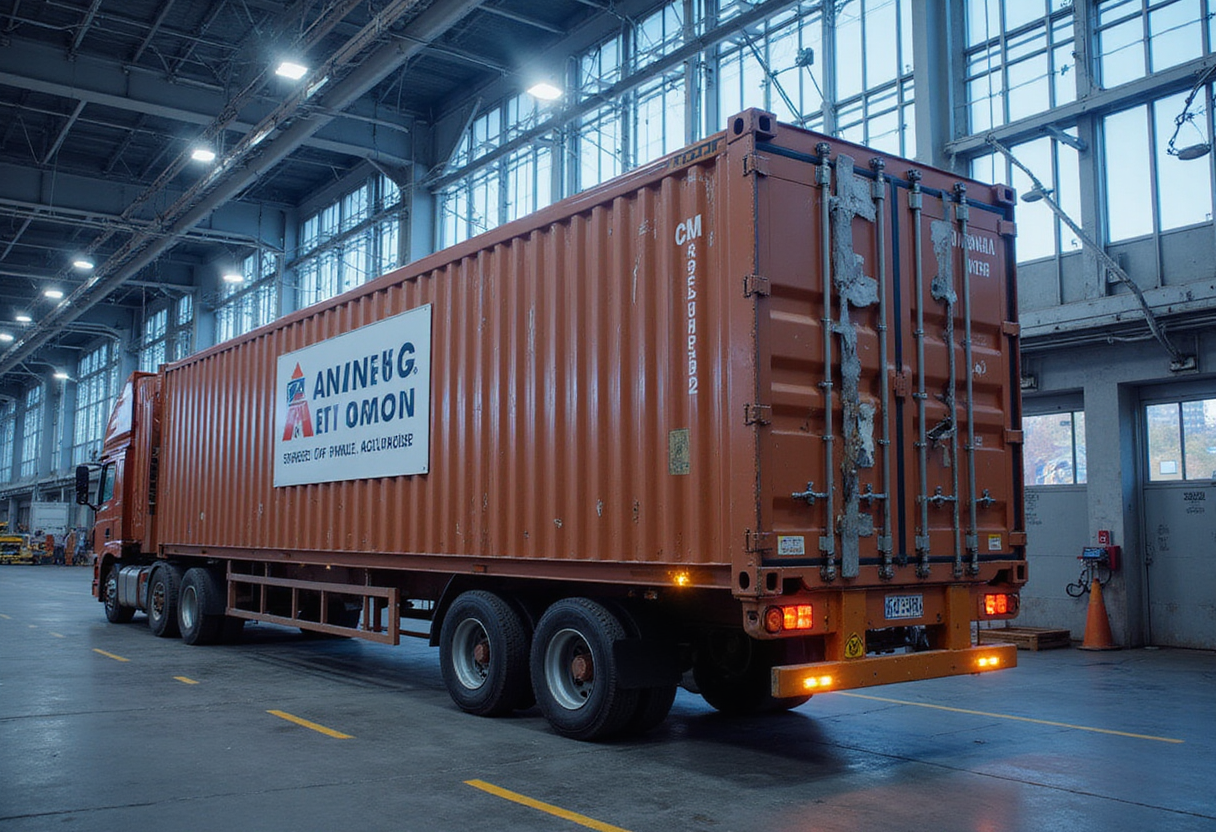
Envirotainer has expanded its active temperature-controlled container network across the Americas, the Swedish-headquartered operator confirmed in coverage carried by Air Cargo Week.
The published account did not specify the airports added to the network, the number of new container units deployed, or whether the change adds ground-handling partners at previously unserved points or simply stocks additional capacity at existing stations.
What an Americas expansion typically covers
Envirotainer's active container network has historically concentrated at the U.S. gateways handling the heaviest trans-Atlantic pharma flows into North America, with additional coverage for South American vaccine and biologics movement into Brazil, Argentina, and adjacent markets.
An expansion in this corridor usually means one of three operational changes: additional container stock at existing service stations; new ground-handling partnerships at airports previously outside the network; or both. Each carries different cost and turnaround-time consequences for forwarders and airlines moving temperature-sensitive payloads.
Why the active segment matters for pharma capacity
Active containers are distinct from the passive temperature-controlled units marketed by Sonoco ThermoSafe, va-Q-tec, and Pelican BioThermal. Active units use electric compressor-driven cooling and resistive heating to maintain set-point temperatures between 2°C and 8°C, at frozen ranges, or at controlled-room temperature, independent of aircraft hold and tarmac exposure conditions.
Envirotainer's fleet, anchored by the RAP e2 active container and the newer CryoSure nitrogen-cooled unit for ultra-low and cryogenic shipments, is one of the largest in the global active segment. The company competes most directly with CSafe Global, with several smaller regional providers filling out the long tail of the market.
The capacity backdrop
Pharmaceutical manufacturers have continued to add biologics production capacity across U.S. clusters — the Raleigh-Durham corridor, the Boston/Cambridge hub, and Midwest fill-finish sites — and South American vaccine and plasma producers in Brazil, Argentina, and Cuba have maintained bookable air freight demand on routes to North America, Europe, and intra-regionally.
Forwarders and combination carriers operating scheduled pharma capacity into and out of the Americas have repeatedly cited active-container availability as a binding constraint during peak vaccine campaigns, seasonal influenza surges, and biologic launch windows. Container shortages have, in past cycles, forced forwarders to downgrade temperature-sensitive shipments to passive packaging or to leave revenue capacity unused.
Adding station count and container stock in the region is therefore consistent with capacity planning for the northern hemisphere winter biologic launch calendar and the seasonal vaccine distribution peak.
What remains undisclosed
The Air Cargo Week report does not list the specific airports affected, the container types deployed, the lease-rate impact for active container products in the region, or whether the expansion changes published service-level agreements with airline partners.
Envirotainer did not immediately issue a parallel press release on the expansion alongside the trade press report, and operators dependent on active container availability in the Americas will look to the company's station list and fleet disclosure for confirmation of the specific capacity added and the launch dates for any new service points.
via Google News: Air cargo (Source)
More from Nathan Brooks
Show full bio
Correspondent covering media and advertising at Flightdeck Report.
353 articles
Same bay
- FDR414GLP-1 demand lifts Europe–Brazil pharma volumes for LATAM Cargo · October 2, 2026
- FDR144Europe-Brazil pharma air cargo volumes expand 150% in 2026 · October 9, 2026
- FDR544Washington Dulles, via VEDP, joins Pharma.Aero as strategic member · September 30, 2026
- FDR154Cool Chain Digitization Push Reshapes Pharmaceutical Air Cargo · October 10, 2026
- FDR279Avianca Cargo secures GDP certification at Madrid and Barcelona stations · September 28, 2026