Clearance CLR-3369 · AIR920
AIREST
Airspace & RegulationClearance sheet
Estonia Moves Drone Roadmap From Paper to Implementation
Estonia has moved its national drone roadmap into implementation, shifting from policy documents to operational measures for unmanned aircraft integration.
Read-back
- Estonia has moved its national drone roadmap from planning into active implementation
- Implementation will operate within EASA's EU-wide drone and U-space regulatory frameworks
- Specific agencies, milestones and timelines for the execution phase were not detailed in the report
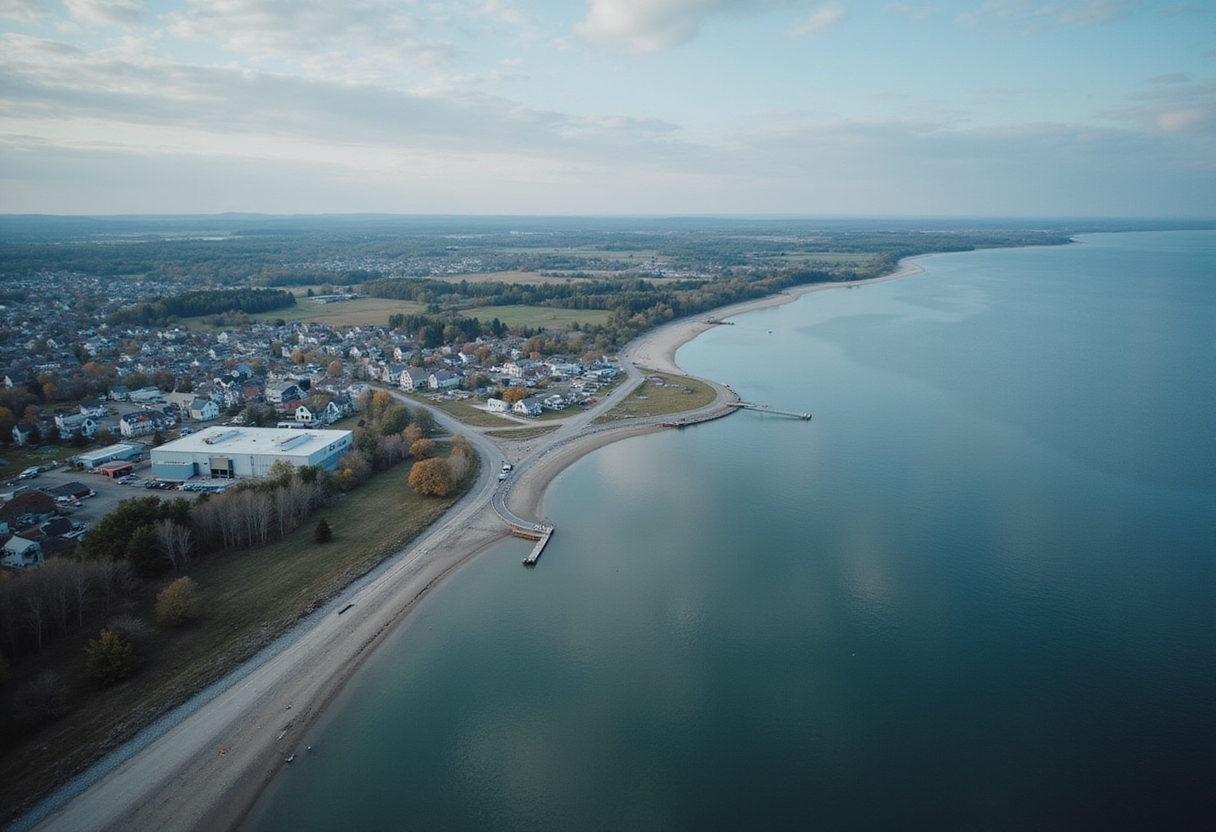
Estonia has shifted its national drone roadmap from planning into active implementation, according to a report by Unmanned Airspace, marking the point where the Baltic state's policy work on unmanned aircraft begins to produce operational measures rather than documents.
The move to implementation is the significant fact here. Governments across Europe have produced drone strategies and airspace-integration concepts at a steady clip over the past decade; far fewer have converted those frameworks into deployed procedures, authorized operators and functioning traffic-management arrangements. Estonia's transition places it in the second category.
The report does not specify which elements of the roadmap are being executed first, the agencies leading the effort, or the timelines attached to individual milestones. That leaves open the central questions any implementation programme must answer: which airspace users gain access first, under what operational approvals, and with what surveillance or identification requirements attached.
For a country of Estonia's size — a population of roughly 1.3 million and a compact national airspace — the roadmap's execution carries weight beyond its borders. Estonia has positioned itself as a digital-government pioneer, and unmanned traffic management is one of the areas where small-state regulatory agility can produce frameworks that larger European states later adapt. Neighbouring Finland has pursued a comparable path, granting early operator approvals and hosting drone-delivery trials, and the Baltic region as a whole has functioned as a testbed for European drone integration policy.
The implementation phase will intersect with the regulatory architecture already established at the EU level. The European Union Aviation Safety Agency's frameworks for unmanned aircraft — covering specific and certified categories of operation, along with the U-space concept for drone traffic management in designated zones — set the boundaries within which national roadmaps operate. Any Estonian implementation measures will be executed against that backdrop, meaning operators can expect the roadmap to translate EASA-level rules into concrete national procedures rather than replace them.
The commercial stakes are modest in Estonia itself but real. Drone operations in surveying, infrastructure inspection, agriculture and logistics depend less on aircraft availability than on the approvals and airspace access that implementation programmes deliver. A roadmap that reaches execution shortens the path from operator application to authorized flight, which is the metric by which operators judge regulatory systems.
Security considerations sit alongside the commercial ones. Estonia shares a border with Russia and has been among the most vocal European states on airspace-security questions since 2022. Drone-roadmap implementation in that context serves a dual function: enabling legitimate unmanned traffic while building the detection, identification and response capabilities that airspace security requires. The report does not detail which of these tracks is moving first.
What to watch next is concrete: the first implementation measures published by Estonian authorities, the designation of any U-space airspace zones, and the number of operators authorized under the new procedures. Those figures, not the roadmap text, will show whether Estonia's transition from planning to action delivers capacity for operators or remains a framework awaiting cases.
The coming months should reveal the scope of the first measures — and whether other European states follow Estonia's pace from strategy to execution.
via Google News: Air traffic control and airspace (Source)
More from Sophie Lindqvist
Show full bio
Senior reporter covering industry trends and analytics at Flightdeck Report.
161 articles
Same bay
- FDR450Trump Drone Plan Needs FAA Review, Lawmaker Says · September 27, 2026
- FDR194EESC Warns EU Drone Action Plan Must Keep Security First · September 27, 2026
- FDR106FAA Turns to Artificial Intelligence to Manage US Airspace · September 27, 2026
- FDR790Poland loosens rules of engagement for airspace violators · September 29, 2026
- FDR386US Aviation Regulators Begin Turning to AI for Airspace Management · September 28, 2026