Clearance CLR-7185 · AIR110
AIREZE
Air CargoClearance sheet
Ezeiza runway work cuts export cargo capacity by 65%
Export cargo capacity at Buenos Aires' Ezeiza airport fell 65% on 26 October as runway work cut the main runway to 1,850 m, grounding four major carriers.
Read-back
- Export cargo capacity at Ezeiza fell 65% on 26 October against the annual average, according to Rotate research.
- Runway resurfacing from 25 October to 11 November shortened the main runway from 3,300 m to 1,850 m, restricting payload and fuel capacity.
- Atlas, Lufthansa, American and Air France-KLM cut cargo capacity to zero, accounting for over 80% of the loss.
- Iberia, LATAM and Air Class operated with 35% to 55% less capacity; Aerolíneas Argentinas and DHL increased capacity slightly.
- Conqueror Freight Network reports 14 airlines temporarily suspended direct services to Ezeiza; Iberia added a Montevideo stop and LATAM suspended Santiago–Buenos Aires–Miami.
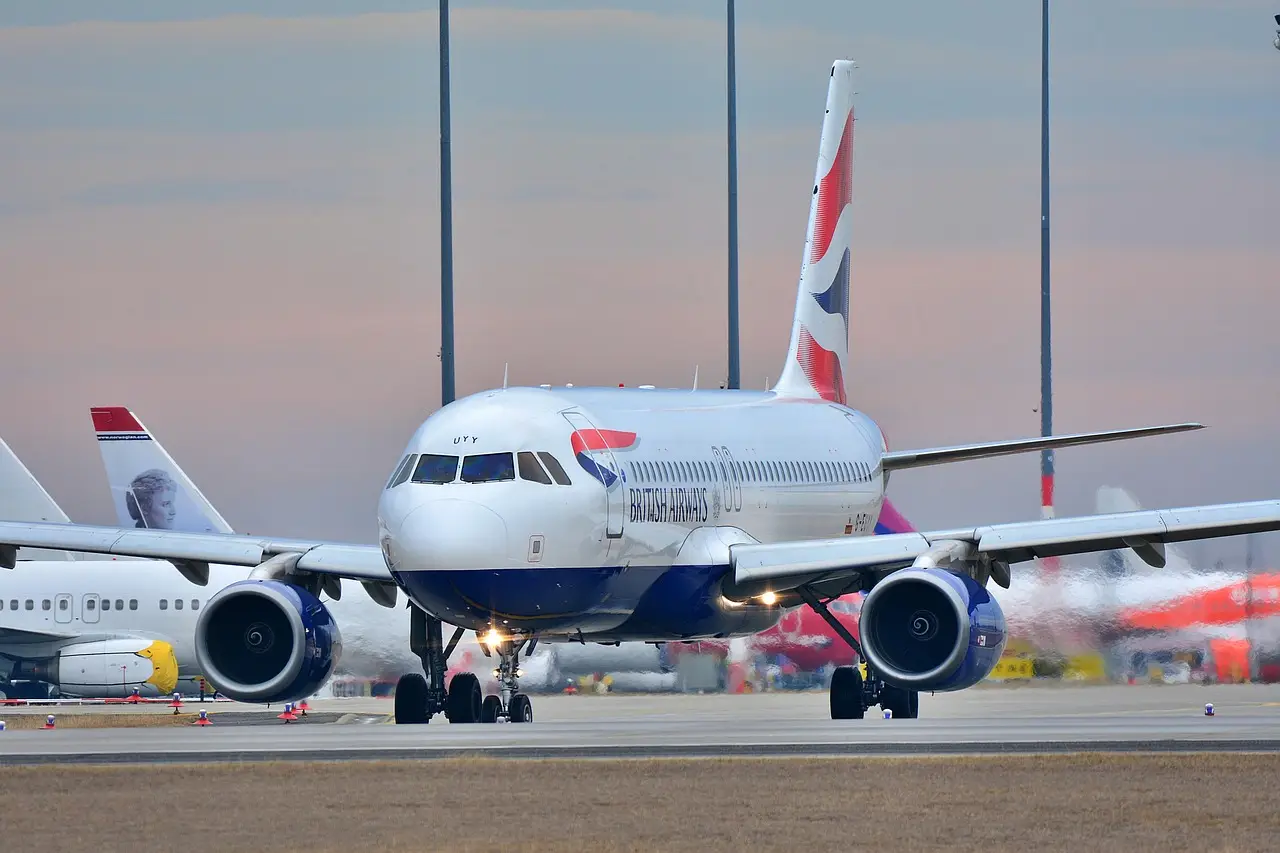
By Sophie Lindqvist
Export cargo capacity at Ezeiza International Airport (EZE) in Buenos Aires fell 65% on 26 October compared with the airport's annual average, according to research by Rotate consulting manager David Bonomo. The drop came two days into runway resurfacing that overlaps Argentina's blueberry export peak season.
Why does a shorter runway remove so much freight capacity?
Resurfacing runs from 25 October to 11 November. While crews work, the airport's main runway measures 1,850 m rather than 3,300 m, and that shorter available run limits both aircraft payload and fuel capacity.
The two limits trade against each other. An aircraft departing from a shortened runway must give up weight somewhere, and on freight services that weight is cargo. The result is fewer flights and lighter ones.
Which airlines cut capacity, and by how much?
Atlas, Lufthansa, American and Air France-KLM reduced cargo capacity to zero on 26 October, together accounting for more than 80% of the capacity lost that day. Iberia, LATAM and Air Class continued operating with 35% to 55% less capacity. Aerolíneas Argentinas and DHL increased capacity slightly, offsetting part of the reduction.
Rotate's headline figure compares a single day with an annual average. The airline-level percentages carry no stated baseline in the source data, so they read as relative indicators rather than a precise schedule grid.
Which routes changed?
The restrictions pushed carriers into workarounds. Some airlines began using refuelling stops in Montevideo or Rio de Janeiro to accommodate the runway limits at Ezeiza.
Iberia announced a stop in Montevideo on its Buenos Aires–Madrid flights, adding a ground turn to the route linking Europe with South America. LATAM went further, suspending the Santiago–Buenos Aires–Miami service and withdrawing a routing option rather than trimming it.
Conqueror Freight Network reports that 14 airlines have temporarily suspended direct services to and from Ezeiza. That dataset counts suspended services, while Rotate measures capacity on one day, and the source does not reconcile the two.
What does this change for blueberry exporters?
For exporters, the change is threefold: fewer aircraft, less space on each aircraft and longer journeys. Air cargo shipments face potential schedule changes, capacity constraints and longer transit times while the restrictions remain in force.
A refuelling stop in Montevideo or Rio de Janeiro adds a ground turn and consumes time a direct sector would not lose. For blueberry shippers working to tight delivery windows, that means fewer practical routings and thinner schedule resilience.
The cost pressure comes from scarce peak-season lift rather than from any published rate move. The source reports no freight rates, so the financial effect on exporters cannot be calculated from this data. What can be traced is its origin: reduced capacity, added ground turns and a withdrawn regional connection.
What is measured, and what is only expected?
Measured items are the 65% export capacity decline on 26 October, the airline-by-airline reductions, the 1,850 m runway length and the 14 temporarily suspended services. Expected items are schedule changes, capacity constraints and longer transit times during the restriction window.
No restoration schedule follows the 11 November end date, and the source contains no airport or carrier statement confirming the disruption's cost. Resurfacing is scheduled to finish on 11 November, so exporters should plan around constrained capacity and longer transit times until the full-length runway returns to service.
via Google News: Air cargo (Source)
More from Sophie Lindqvist
Show full bio
Senior reporter covering people, launches and day-to-day practice in Commercial aviation industry coverage at Flightdeck Report.
574 articles
Same bay
- FDR539IATA: Air Cargo Demand Climbs 4.4% in August as Capacity Slips · September 30, 2026
- FDR129Latin American air cargo growth collides with saturated airports · November 4, 2026
- FDR437NMIA logs 11,853 tonnes of cargo as international freight leads · October 13, 2026
- FDR533IATA Data Show Air Cargo Demand Up 4.4% in August · September 30, 2026
- FDR303Air Cargo Demand Grew 4.4% in August as Load Factor Reached 46% · September 30, 2026