Clearance CLR-3504 · AIR219
AIRFAA
Airspace & RegulationClearance sheet
FAA Drafts Safety Rules for Embraer's Automatic Takeoff System on E195-E2
The FAA has proposed safety rules for Embraer's E2TS automatic takeoff system on the E195-E2, with comments open through November 27, 2026 and engine-out demonstrations required.
Read-back
- The FAA proposed safety requirements for Embraer's E2TS automatic takeoff system on the E195-E2
- Public comments are open through November 27, 2026
- Embraer says E2TS could add 350 nautical miles of range from London City
- The system was unveiled at the Farnborough Airshow in July 2024
- Embraer must demonstrate safe performance with an engine inoperative
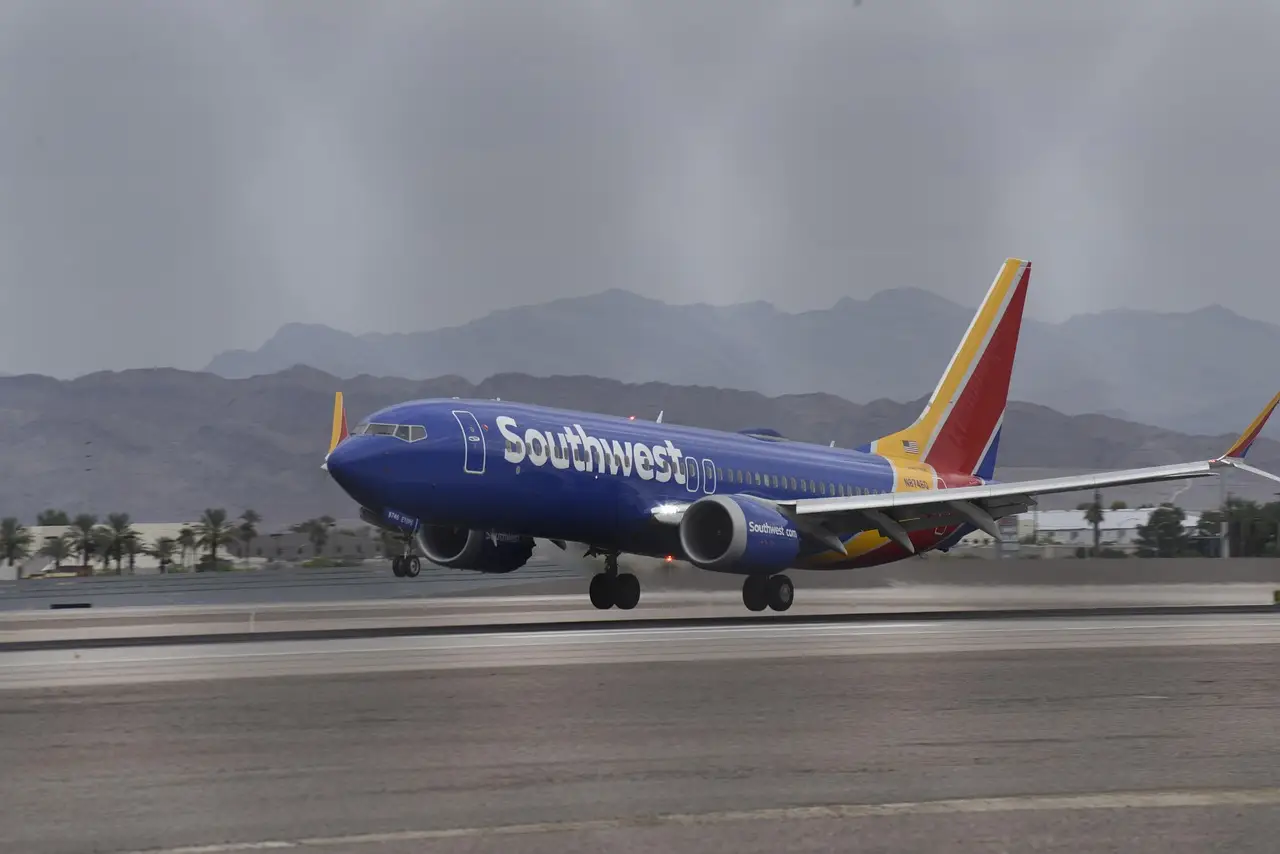
The FAA has proposed new safety requirements for the Embraer Enhanced Takeoff System (E2TS), a mechanism that automatically raises an E195-E2's nose for takeoff and controls its initial climb without pilot input on the controls.
The proposal, open for public comments through November 27, 2026, marks a regulatory step toward certifying the first system of its kind on Embraer's largest jet. It also exposes a structural gap in the existing rulebook: current FAA takeoff rules assume a human pilot performs the rotation.
How the system works
E2TS engages when pilots advance the thrust levers to the takeoff thrust setting. The division of labor is explicit:
- The crew steers the aircraft along the runway centerline.
- The system keeps the wings level and handles rotation (the act of raising the nose off the runway) and the initial climb.
- Pilots monitor the automatic rotation against the calculated takeoff speed.
The design removes the most manually demanding part of the maneuver — the timing and rate of rotation — from the crew's hands, while leaving directional control on the runway with the pilots.
What does this change for operators?
The practical question for airlines is payload and reach. Embraer says more precise control during takeoff can reduce the runway distance required, allowing aircraft to carry more weight or fly farther from airports where takeoff performance limits operations — airports with short runways, obstacles or elevation and temperature constraints.
At the system's unveiling at the Farnborough International Airshow in July 2024, Embraer identified London City, Florence and Rio de Janeiro's Santos Dumont as airports that could benefit. The manufacturer quantified one case: E2TS could add 350 nautical miles of range from London City, an airport whose 1,508-metre runway and steep approach geometry tightly constrain jet performance.
For network planners, that difference determines whether an E195-E2 can serve London City on longer sectors or carry viable payloads at all. Embraer also said automating the maneuver would reduce pilot workload.
These figures remain manufacturer claims until certification testing validates them. The FAA proposal treats them accordingly.
What the FAA wants demonstrated
The regulator's core finding is that existing takeoff certification rules do not fit the technology. They assume a pilot raises the aircraft's nose; E2TS does it automatically. The proposed requirements would account for the automatic system's sensor inaccuracies and operating tolerances — the small errors in airspeed, attitude and position data that a human pilot absorbs without notice but a computer must be designed around.
Embraer will have to demonstrate safe performance across a defined operating envelope:
- Different aircraft weights and loading conditions
- Different temperatures and airport elevations
- Takeoffs with an engine inoperative — the critical case in takeoff performance certification
The engine-out requirement matters most. Takeoff rules are built around the failure case, and demonstrating automatic rotation and climb with one engine idle is the hardest test the system must pass.
Certification context
E2TS was announced at Farnborough in July 2024 alongside other E195-E2 improvements, including lower fuel consumption, increased range and cabin changes. The FAA's proposal is the regulatory machinery catching up with that announcement: special conditions of this kind define how a novel system will be judged before approval.
The comment period runs to November 27, 2026, which sets the earliest realistic timeframe for the requirements to be finalized. Only after that can Embraer complete demonstration and certification — meaning airlines looking at London City range gains will wait years, not months, before E2TS flies in service.
via AeroTime (Source)
More from Sophie Lindqvist
Show full bio
Senior reporter covering people, launches and day-to-day practice in Commercial aviation industry coverage at Flightdeck Report.
599 articles
Same bay
- FDR581EASA targets 2033 mandate for take-off performance monitoring · October 10, 2026
- FDR839ANA tops up E190-E2 commitment as order detail stays pending · October 10, 2026
- FDR143Electra flies EL2 from Roanoke-Blacksburg heliport in Virginia STOL trial · October 9, 2026
- FDR482Embraer Commercial Backlog Climbs 50% on Finnair Order · October 10, 2026
- FDR520FAA Clears 737 MAX Software Flaw, Reopening Path to MAX 10 · October 2, 2026