Clearance CLR-9388 · SAF255
SAFFAA
Safety & OperationsClearance sheet
FAA Ends Single-Pilot Exemptions for Part 25 Citation Jets
FAA data shows Part 25 Citations flown single-pilot have twice the accident rate of Part 23 types; exemptions dating to 1984 end on 28 September.
Read-back
- FAA rescinds single-pilot exemptions for Part 25 Citations effective 28 September
- Single-pilot Part 25 Citations show twice the accident rate of Part 23 models over 18 years
- First exemption was granted in 1984; compliance review found falsified records and improper pilot checks
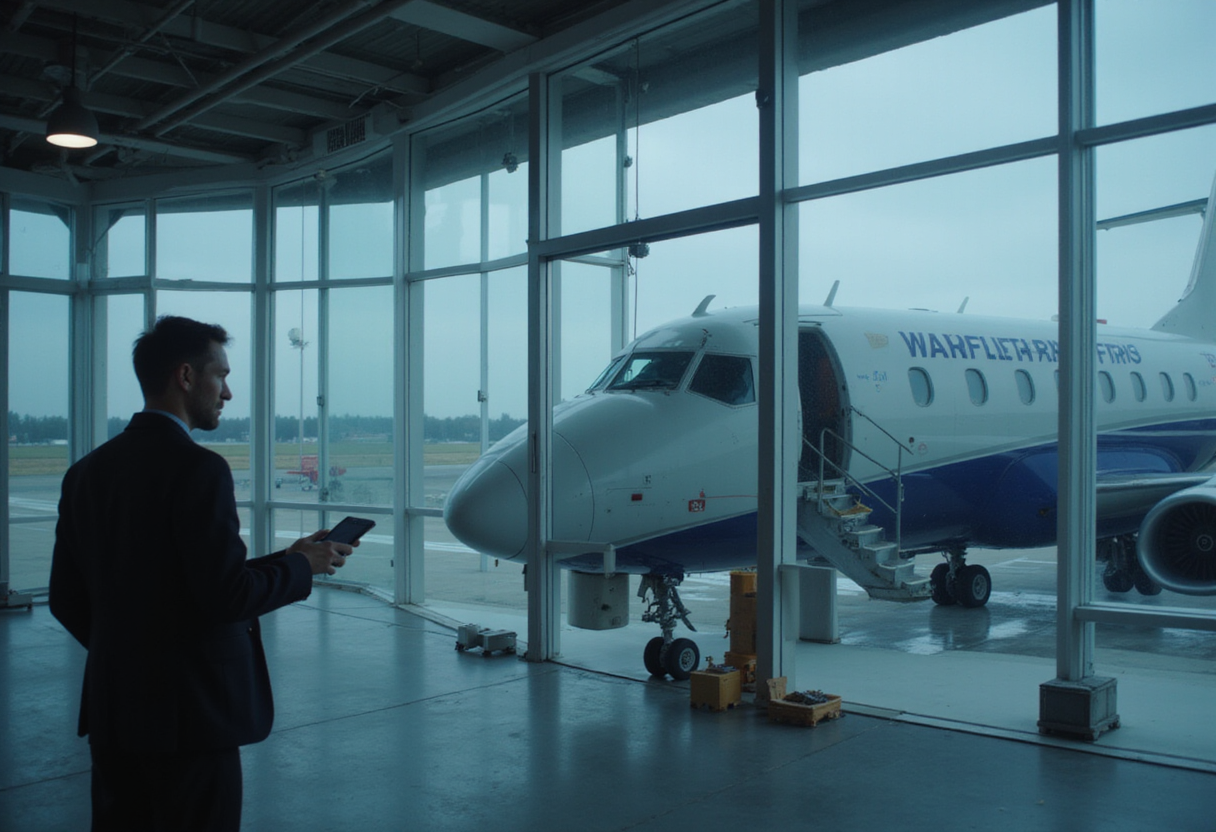
The US FAA will rescind exemptions that have allowed single pilots to operate transport-category Cessna Citation business jets since 1984, after accident data showed the affected aircraft have twice the accident rate of comparable Part 23 types flown single-pilot.
The policy change takes effect from 28 September. Several Citation models – among them the 500, 550 and 560 – are certified under Part 25 regulations, which require two pilots. Other Citations fall under Part 23 and can be flown by a single pilot if suitably equipped. The FAA began granting relief from the two-crew requirement for the Part 25 jets more than four decades ago, with the first exemption issued in 1984.
At the time, the regulator justified the measure by stating that there was no evidence of a reduction in safety in Part 23 single-pilot operations compared with Part 25 two-pilot operations. The FAA consequently granted exemptions to training providers, which in turn endorsed pilots' logbooks, enabling them to conduct single-pilot operations on jets that otherwise required two pilots.
That rationale no longer holds. Analysis of accident rates over the last 18 years indicates that Citations operated by a single pilot under Part 25 have twice the accident rate of single-pilot Part 23 models.
"This data undermines the threshold requirement for issuance of an exemption, namely that the relief would provide an equivalent level of safety or result in no adverse impact on safety," says the FAA.
The regulator highlights continuing investigations into two fatal accidents. In the first, a Cessna S550 descended below the approach path and collided with power lines at San Diego in May last year, igniting residential fires. Seven months later, a Cessna 550 crashed at Statesville after a low approach while attempting a return to the airport; the aircraft struck the ground short of the runway. Inquiries into both accidents remain ongoing, with instrument problems and crew qualification issues emerging in the Statesville probe.
Accident data is only part of the reason for the reversal. A compliance review commenced two years ago found that training organisations which did not hold exemptions were nevertheless offering training under the exemption of another entity.
"The FAA found numerous instances of non-compliance with the [conditions and limitations] by holders of these exemptions," the regulator states. "These acts of non-compliance include incomplete records, conducting required flight training in an advanced aviation training device contrary to the [conditions], and improper checks by designated pilot examiners…that included falsified records."
The FAA points out that the pilot of the jet which crashed at San Diego had received an improper check six months before the accident.
The structure of the exemption scheme itself has compounded the oversight problem. Because the exemption is held by the training provider rather than the operator, there is "no ongoing involvement" between the exemption holder and the pilots flying the jets, according to the FAA. Pilots are likely to be "unaware" if the training provider's exemption is terminated or expires, and might therefore continue to perform single-pilot operations with an endorsement no longer backed by a valid exemption – in breach of the regulations.
The FAA originally believed the single-pilot exemptions would provide operators with flexibility and reduced economic burdens. The evidence from safety data, combined with the weak regulatory structure, has now prompted it to cease allowing Cessna jets that require two pilots to be flown by one.
This measure "is warranted", the FAA states, adding that the exemptions granted to training providers "do not provide an equivalent level of safety…and are no longer in the public interest".
Current exemption holders will be notified that their exemptions are being rescinded. Pilots holding the relevant endorsements will be informed that they must cease single-pilot operations accordingly, restoring the two-crew requirement across the Part 25 Citation fleet from late September.
via FlightGlobal (Source)
More from Nathan Brooks
Show full bio
Correspondent covering media and advertising at Flightdeck Report.
149 articles
Same bay
- FDR430FAA Moves to Rescind Single-Pilot Exemptions for Some Citations · September 27, 2026
- FDR567Citation Operators Demand FAA Data Behind Single-Pilot Ban · September 28, 2026
- FDR688FAA Drops Single-Pilot Exemption for Citation CE-500 Fleet · September 30, 2026
- FDR190US House Members Unveil Comprehensive Aviation Safety Bill · September 30, 2026
- FDR265India Moves to Expand Pilot Training as Airline Fleet Growth Surges · September 30, 2026