Safety & OperationsClearance sheet
FAA ground stop pushes US airport hotel occupancy to 84.7%
US airport hotels reached 84.7% occupancy after the Nov. 13, 2026 FAA ground stop disrupted more than 10,000 flights, driving demand, rates and RevPAR higher.
Read-back
- US airport hotel occupancy reached 84.7% on Nov. 13-14, 2026, 13.8 percentage points above the previous year.
- Airport hotel room demand rose 20.3% year over year, and average daily room rates increased 11.9%.
- Airport hotel RevPAR increased 33.7% as the nationwide FAA ground stop disrupted more than 10,000 flights.
- Dallas, Washington, D.C., and Atlanta each recorded RevPAR growth above 40%.
- Across all US hotels, weekend occupancy reached 72.8%, average daily rates rose 9.3%, and RevPAR increased 19.7%.
By Sophie Lindqvist
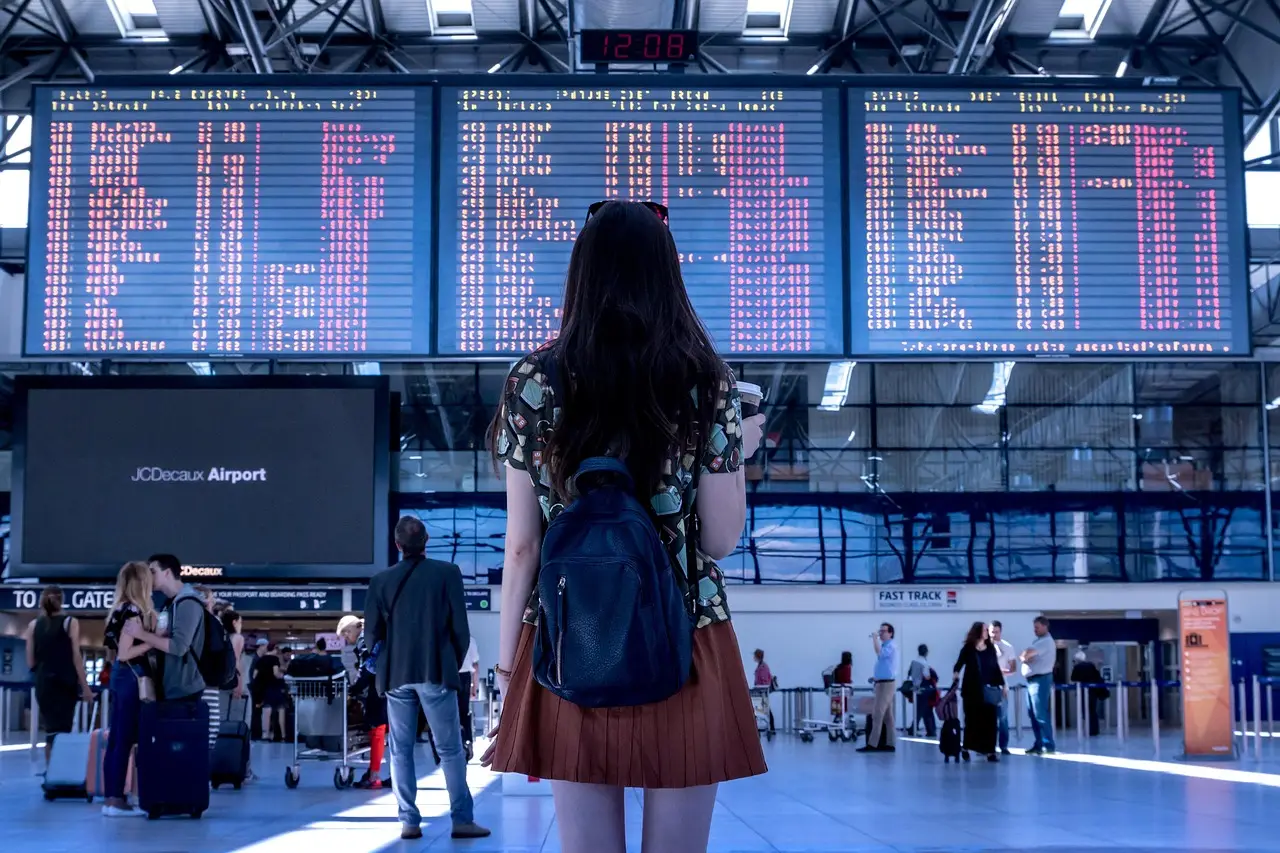
US airport hotel occupancy reached 84.7% on November 13-14, 2026, after a nationwide Federal Aviation Administration (FAA) ground stop disrupted more than 10,000 flights. CoStar published data from hospitality research firm STR on November 20, showing the highest occupancy among the hotel location categories measured.
The data attributes the surge to stranded passengers seeking rooms when widespread flight disruption prevented them from completing planned journeys. Airport hotel room demand rose 20.3% from the comparable Friday and Saturday in 2025, while occupancy finished 13.8 percentage points above the previous year.
What did the FAA disruption do to hotel demand?
The commercial mechanism was direct. Passengers displaced by flight disruption needed accommodation near major airports, while STR also found increased activity in urban and suburban hotels. That spread suggests the demand reached beyond conventional airport districts, extending the disruption’s commercial effect to a wider set of properties.
Airport hotels also raised prices. Average daily room rates rose 11.9%, while revenue per available room, or RevPAR, increased 33.7%. RevPAR measures revenue earned for every available room, whether occupied or not, so occupancy and rate gains combined to expand hotel income.
The disruption changed both where passengers stayed and what they paid. It pushed room rates higher while schedules failed to recover immediately, leaving passengers, airlines and travel companies to absorb disruption costs. Hotels gained revenue, but the same event imposed inconvenience and expense elsewhere in the travel chain.
Which markets recorded the strongest gains?
Dallas, Washington, D.C., and Atlanta led hotel markets, with RevPAR increasing by more than 40% in each. Their performance was consistent with their role as large metropolitan airline hubs, where a nationwide stop can strand passengers far from destinations or onward connections.
Demand did not remain confined to properties immediately surrounding airports. STR identified stronger activity in urban and suburban hotels, extending the commercial effect beyond conventional airport-hotel clusters. The finding matters for hotel operators because more properties participated in the disruption-driven demand increase.
Across the largest 25 US hotel markets, weekend RevPAR increased 24.4%, compared with 15.7% outside those markets. The gap shows that the largest percentage improvement occurred in the principal metropolitan markets. These figures measure hotel revenue rather than occupancy, capturing both fuller hotels and higher prices.
Was the ground stop the only reason hotels performed so strongly?
STR cautioned that “the aviation disruption was not solely responsible for the industry’s strong performance.” The comparable week in 2025 had been relatively weak, making the year-over-year comparison easier. Even so, the unusual concentration of demand at airport hotels indicates that the ground stop contributed materially to the November weekend increase.
Across all US hotels, weekend occupancy reached 72.8%, average daily rates increased 9.3%, and RevPAR rose 19.7%. For the full November 8-14 week, national hotel RevPAR increased 12.9%. Airport hotels therefore outperformed a strong national market rather than simply reflecting a broad rise in travel activity.
How did flight recovery extend the disruption?
The FAA lifted the ground stop, but thousands of flights remained cancelled. More than 1,300 US flights were cancelled during the recovery that followed. The air network therefore remained impaired after the restriction ended, leaving some passengers unable to complete their planned journeys.
The recovery phase could extend lodging demand beyond the original Friday-Saturday surge. Travelers who could not complete their journeys needed rooms, while airlines and travel companies faced disruption costs. Reduced departures removed capacity and left schedules unable to normalize at once, keeping displaced passengers in the hotel market.
What does this change for travelers and hotels?
For hotels, a disruption on this scale can lift occupancy and rates rapidly without a normal demand cycle. For travelers, it can turn a missed flight into extra accommodation at a higher price. For airlines, it means cancelled capacity, disruption costs and slower network recovery; hotels gain revenue while passengers bear added expense and inconvenience.
As the Thanksgiving travel period approached, the episode showed how quickly room availability and rates can change when major US air-traffic systems suffer significant interruptions. The immediate beneficiaries were airport and nearby hotels, but the commercial effect reached city and suburban properties. The forward measure is whether cancellations persist long enough to sustain hotel demand after the ground stop ends.
via rustourismnews.com (Source)
More from Sophie Lindqvist
Show full bio
Senior reporter covering people, launches and day-to-day practice in Commercial aviation industry coverage at Flightdeck Report.
707 articles
Same bay
- After FAA Ground Stop, 37% of US Leisure Flyers Reconsider Air Trips · November 22, 2026
- Los Angeles Air Traffic Extends Its Decline · October 12, 2026
- Middle East airspace closures cost global tourism $600 million a day · October 10, 2026
- Harry Reid International Faces Multibillion-Dollar Overhaul · October 20, 2026
- Traverse City Airport Breaks Ground on $120M Expansion · October 15, 2026