Clearance CLR-4752 · AIR369
AIRFAA
Aircraft & EnginesClearance sheet
FAA holds 737 MAX 10 certification over flight-guidance software flaw
FAA Administrator Bryan Bedford confirmed the 737 MAX 10 certification is on hold over a GE Aerospace software flaw that could cut pilot access to automated flight guidance on landing.
Read-back
- FAA Administrator Bryan Bedford said on September 28, 2026 that 737 MAX 10 certification will be delayed until the software issue is resolved, with no timeline given.
- Boeing disclosed on September 26 that pilots could lose automated flight guidance during a specific landing scenario; GE Aerospace supplied the affected software.
- The MAX 7 received FAA certification on August 3, 2026, after anti-ice, flight-control software and alerting changes; Alaska had expected MAX 10 approval by end of September 2026 with first delivery in spring 2027.
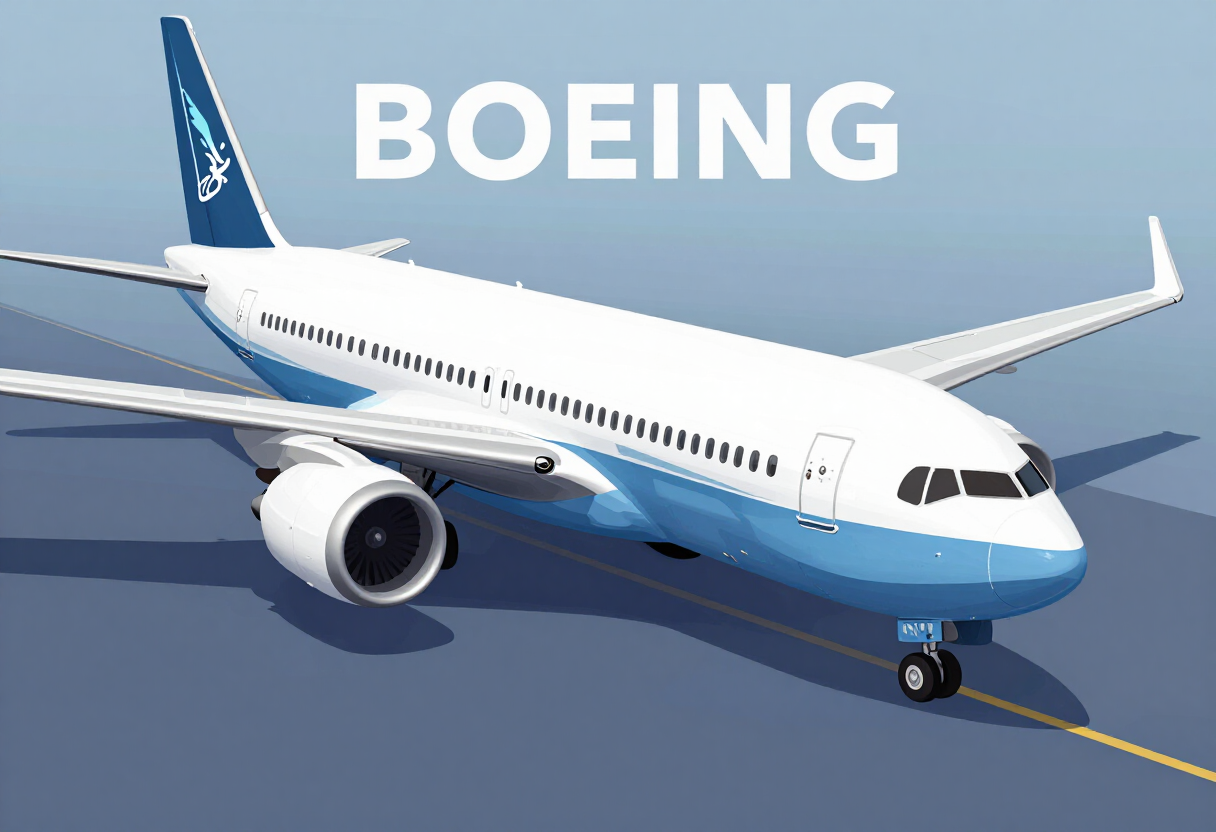
The FAA has suspended the certification timeline for Boeing's 737 MAX 10 pending resolution of a software defect that could strip pilots of automated flight guidance during a specific landing scenario, Administrator Bryan Bedford confirmed on September 28, 2026.
"We will be delaying the 10 until we're satisfied that we don't have an issue here," Bedford told reporters at Ronald Reagan Washington National Airport. He declined to estimate the length of the delay.
The setback lands less than two weeks after Boeing President and CEO Kelly Ortberg told an investor conference on September 16 that MAX 10 certification was expected "very soon." Ortberg said at the time that flight testing was complete and Boeing was working through final documentation with the FAA.
Boeing disclosed the software problem on September 26, saying pilots could lose access to automated flight guidance in a particular landing scenario. The company has notified operators and is developing a software update. Bedford identified GE Aerospace as the supplier of the affected software and said a correction could come relatively quickly — though he could not say whether that means days, weeks or months. He stressed that pilots retained control of the aircraft throughout.
The FAA had already signaled it would convene a Corrective Action Review Board to examine the issue. Bedford's remarks make clear the review now sits directly on the MAX 10's certification path.
Boeing said it will continue following the FAA's lead through the certification process.
Operator exposure appears limited
In-service fleets show a patchwork of exposure to the software version under review. WestJet confirmed some of its MAX aircraft run the code in question but reported no related in-service events. The Canadian carrier said it does not consider the issue a safety concern and holds operating procedures and training to manage such an event.
United Airlines and Alaska Airlines said none of their aircraft currently use the affected software. United said it is not accepting deliveries of aircraft equipped with the version under review. Alaska said it is working with Boeing and the FAA as they assess the problem.
The timing hit Alaska hardest among US carriers. The Seattle-based airline had expected MAX 10 certification by the end of September 2026. Chief Operating Officer Jason Berry told Reuters on September 24 that Alaska planned to take its first aircraft in spring 2027 — a schedule now clouded by the open-ended delay.
Two MAX variants, two outcomes
The MAX 10 hold contrasts with the progress of its smaller sibling. The FAA certified the MAX 7 on August 3, 2026, clearing that variant after Boeing delivered a redesigned engine anti-ice system, flight-control software updates and improved flightcrew alerts.
The divergent fates of the two programs underscore the regulatory scrutiny that still shadows the MAX family. The MAX 7 reached its milestone only after hardware and software rework; the MAX 10 now faces the same gatekeeping over a supplier software defect disclosed days before an expected approval.
For Boeing, the delay lengthens the tail on a program already years behind its original schedule, and it leaves airlines that built fleet plans around the 230-seat variant — United and Alaska foremost among US operators — waiting on an FAA clock that Bedford himself could not bound. Resolution now depends on how quickly GE Aerospace and Boeing can validate a fix, and how quickly the Corrective Action Review Board accepts it.
via reuters.com (Original)
More from Priya Raman
Same bay
- FDR343FAA to Delay 737 MAX 10 Approval Over New Software Glitch · September 30, 2026
- FDR692FAA Review of Flight Software Threatens New 737 Max 10 Delay · September 27, 2026
- FDR186737 MAX Software Flaw Threatens MAX 10 Certification Timing · September 28, 2026
- FDR160FAA Convenes Review Board Over 737 MAX VNAV Software Fault · September 27, 2026
- FDR405U.S. to Deploy AI-Powered Tool for Air-Traffic Control · September 30, 2026