Clearance CLR-4234 · AIR827
AIRFIG
Airspace & RegulationClearance sheet
Fighters Escort Aircraft Out of Restricted Airspace Over Cincinnati
Fighter jets escorted a civilian aircraft out of restricted airspace over Cincinnati during a speech by President Trump, WSMH reported. The intercept followed standard presidential-travel procedures.
Read-back
- Fighter jets escorted an aircraft out of restricted airspace over Cincinnati during a Trump speech
- The intercept occurred while temporary restrictions were active around the presidential appearance
- The escorted aircraft exited the restricted zone under military escort
- The report does not identify the aircraft's operator or type, or any enforcement action
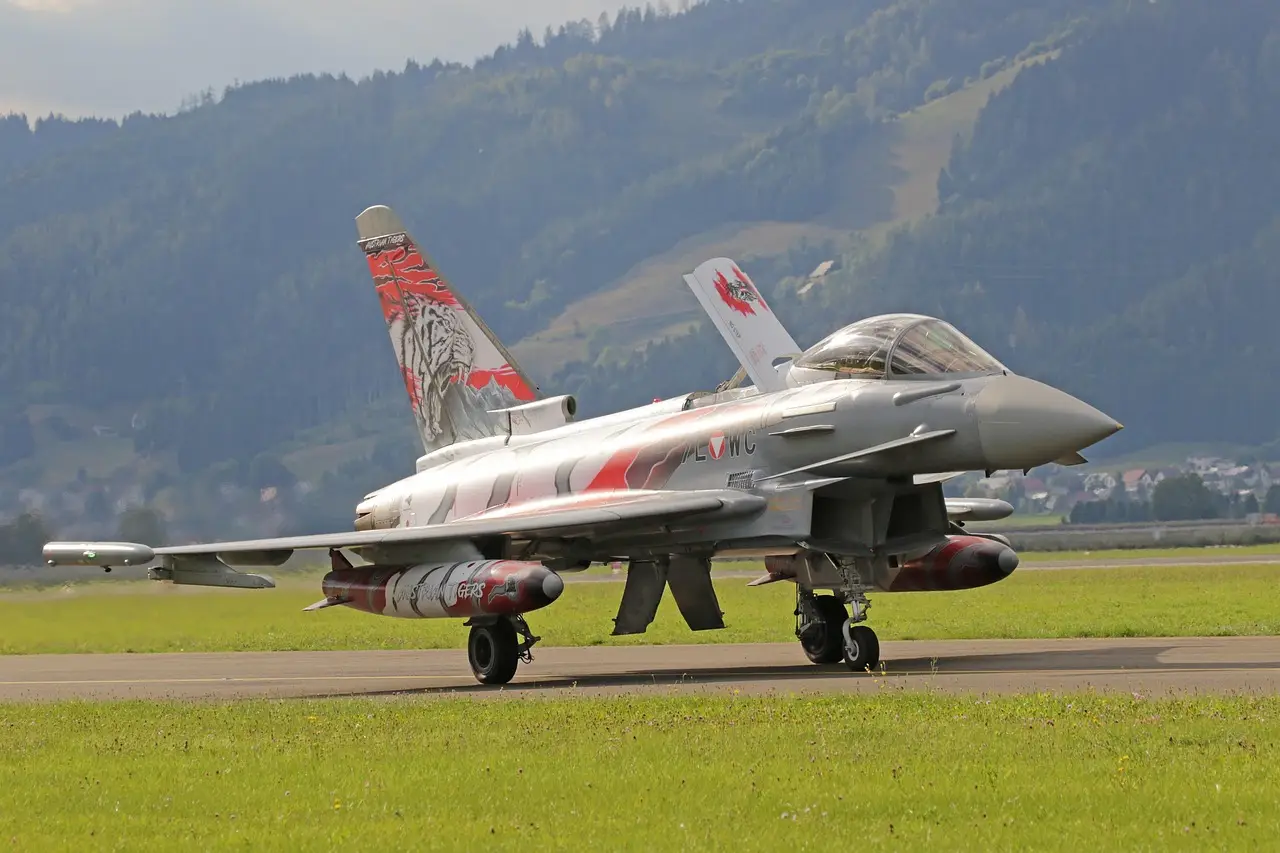
Fighter jets escorted a civilian aircraft out of restricted airspace over Cincinnati while President Donald Trump was delivering a speech in the city, WSMH reported.
The intercept is the hardest fact in a story that, on its surface, is short: an aircraft entered a zone closed to general traffic, and military jets responded. That sequence — incursion, intercept, escort — is the routine architecture of how the United States polises its skies when the president travels. It plays out more often than most passengers realize.
What happened over Cincinnati?
According to the report, the aircraft flew into airspace that had been placed off-limits during the president's remarks. Fighter jets scrambled, reached the aircraft, and escorted it out of the restricted area. The aircraft left the zone under military escort rather than on its own timing.
No information in the report indicates anyone aboard the intercepted aircraft was injured or detained. The episode ended with the plane removed from the closed airspace — the outcome the system is built to produce.
NORAD and its designated alert units handle such intercepts under long-standing procedures. When a restricted area goes active around a presidential movement, controllers watch for any aircraft that crosses the boundary. Fighters are launched to intercept, identify the aircraft, and shepherd it away from the protected zone. Pilots of intercepted aircraft are expected to follow the fighters' instructions.
Why does this keep happening?
Presidential travel shuts down large volumes of ordinary airspace. Every movement of Air Force One, and every stop where the president speaks on the ground, triggers restrictions that close routes general aviation pilots may have planned days earlier. Not every incursion is intentional — some pilots miss notices, file outdated routes, or simply misjudge the boundaries of a temporary restriction.
That distinction rarely matters to the response. The fighters fly either way, because the alternative — an unidentified aircraft inside protected airspace during a presidential appearance — is a risk no commander accepts. The intercept over Cincinnati followed that playbook: jets up, aircraft identified, aircraft escorted out.
For the airline or private operator involved, the immediate costs run from delayed arrival slots to potential follow-up from the Federal Aviation Administration, which can pursue enforcement against pilots who breach restricted airspace. The report does not specify the operator, the aircraft type, or what enforcement, if any, may follow.
What comes next?
Investigators and regulators will review the incident to determine how the aircraft entered the restricted zone and whether any violation occurred. Episodes like this one typically end in after-action review rather than public detail, and the Cincinnati intercept appears no different: the airspace closed, the jets flew, the aircraft left, and the speech went on.
via Google News: Air traffic control and airspace (Source)
More from Nathan Brooks
Show full bio
Correspondent covering technology and product news in Commercial aviation industry coverage at Flightdeck Report.
555 articles
Same bay
- FDR797Fighter Jets Intercept Airspace Violators During Trump Chicago Visit · September 28, 2026
- FDR463Fighters Intercept Multiple Aircraft Over Medinah During Trump Visit · September 28, 2026
- FDR870German Fighters Intercept BA Flight to London After ATC Loses Contact · October 19, 2026
- FDR942NORAD to Enforce Temporary Flight Restrictions Over Multiple US Areas · September 30, 2026
- FDR354UK Imposes Temporary Airspace Closure Over US Air Base After Attack Attempt · September 28, 2026