Clearance CLR-9493 · AIR300
AIRFIN
Airlines & NetworksClearance sheet
Finnair adds Australia to its network with daily A350 Helsinki–Melbourne link
Finnair's inaugural AY145 left Helsinki on October 25 for Melbourne via Bangkok, opening the airline's first scheduled service to Australia with a 22-hour same-aircraft journey.
Read-back
- Finnair launched daily Helsinki–Bangkok–Melbourne service on October 25, 2026, its first route to Australia.
- Inaugural flight AY145, operated by A350-900 OH-LWO, covered the journey in 22 hours and 5 minutes.
- The Bangkok stopover lasts under two hours, driven by aircraft range and crew duty limits.
- Finnair stocked 18,000 liters of blueberry juice at its new Bangkok catering base, about three months of supply.
- Temperature-sensitive cargo is excluded from the full Helsinki–Melbourne journey pending temperature assessments.
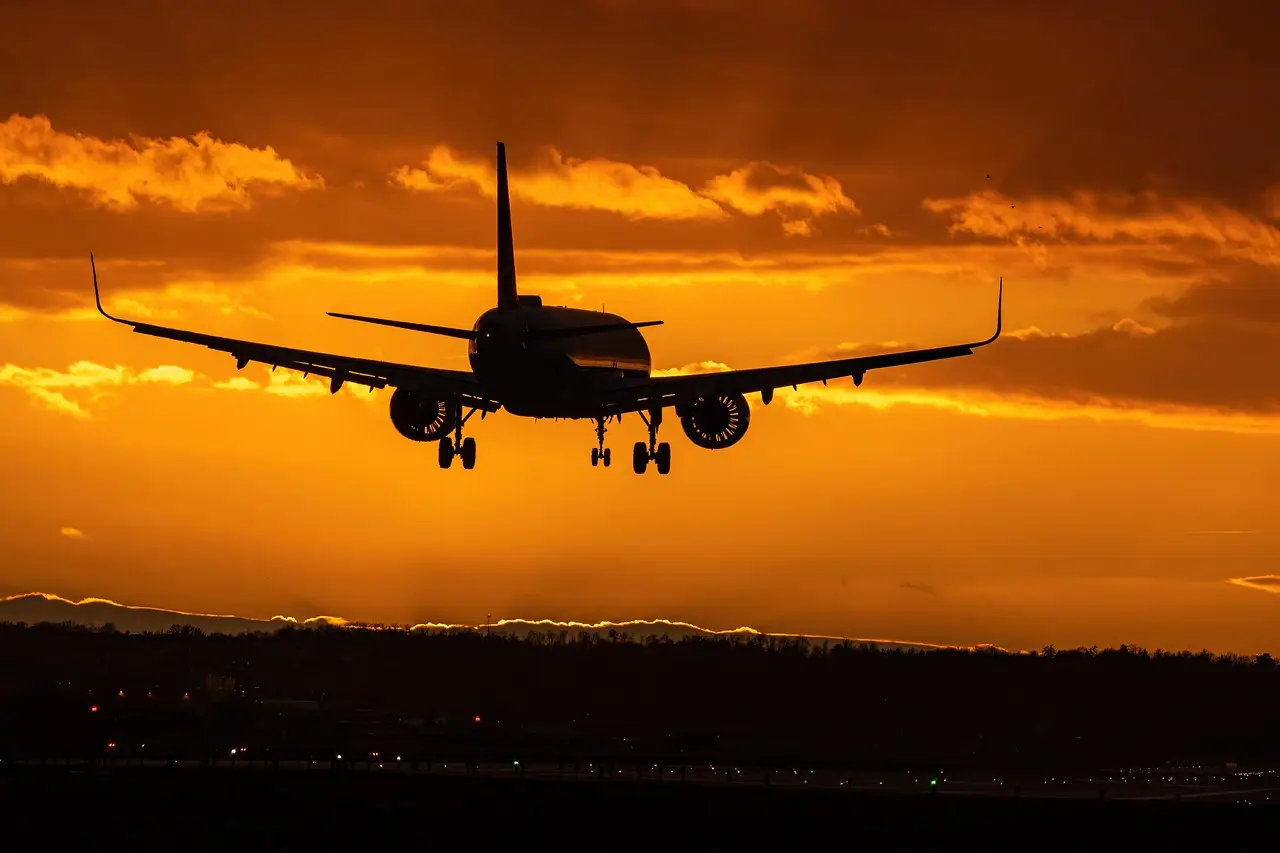
Finnair entered the Australian market for the first time on October 25, 2026, when flight AY145 departed Helsinki at 01:15 local time bound for Melbourne via Bangkok. The Airbus A350-900, registered OH-LWO, was scheduled to arrive in Melbourne at 07:20 local time the following morning after a total journey of 22 hours and five minutes.
The service runs daily and year-round, with a stop of just under two hours at Bangkok's Suvarnabhumi Airport. Passengers stay on the same aircraft throughout, but must leave the cabin during the stop. Finnair also sells the Bangkok–Melbourne sector separately, which places the carrier in the Thailand–Australia market, not just in Europe–Australia traffic.
Why Melbourne?
Finnair's network planning team said it wanted a long-haul destination with demand across the full year. Many alternatives it examined leaned heavily on either the summer or the winter season. Melbourne offered a mix of leisure and business travel, a large European community, and a population of international students and expatriate workers.
The schedule is built around banks of connecting flights. A departure from Helsinki after midnight delivers passengers to Australia the following morning. The return leg leaves Melbourne in the afternoon and lands in Helsinki early in the morning, in time for onward departures across Europe.
The A350 carries Business, Premium Economy and Economy cabins, with Finnair's AirLounge seats installed in Business Class.
What happens on the ground in Bangkok?
The stop exists for two hard reasons: the aircraft's range and crew duty limits. Finnair said the launch followed months of preparation, including safety and risk assessments, cost analysis, aeronautical charts, operational guidance and the selection of alternate airports. It paid particular attention to volcanic ash exposure, since the routing passes over volcanic regions, and plans to refine its guidance as operational experience accumulates.
During the turnaround, continuing passengers disembark with their hand luggage, clear security screening and return to the gate, where travel documents and cabin bags are checked again under Australian requirements. On the ramp, the cabin crew changes, a local mechanic inspects the aircraft, and ground teams clean the cabin, refuel and load meals. Thailand-bound cargo is unloaded and new shipments loaded. The cabin and cargo hold are also treated with the insecticide Australian authorities require.
How does Finnair manage crew fatigue?
Pilots rotate on assignments of about one week comprising four long-haul flights, with roughly a day in Bangkok in each direction and two days in Melbourne. Augmented crews of three or four pilots allow rest breaks in flight. Finnair said fatigue management is especially important given the long sectors, varying departure times and the number of time zones crossed.
Onboard service is adapted to the same problem. Meal times follow departure and arrival times and expected passenger needs, protecting longer uninterrupted sleep periods. Passengers can order food and drinks to their seats through the inflight entertainment screen, and cabin crew circulate regularly with water and blueberry juice — 18,000 liters of which have been stocked at Finnair's new Bangkok catering base, enough for about three months. Economy Class passengers departing Melbourne receive a Tim Tam biscuit with their meal.
What does the route change for cargo?
Cargo linking Europe, Asia and Australia forms a significant part of the route's commercial case. In the initial phase, however, Finnair Cargo will not accept pharmaceuticals, perishables or other temperature-sensitive shipments over the full Helsinki–Melbourne journey. Such freight may fly on individual sectors under applicable requirements, and any expansion depends on the outcome of temperature assessments across the whole chain.
That distinction matters. The passenger network is certified and flying; the cargo product, in its temperature-sensitive segment, is still being validated — a common pattern on new ultra-long routes where cold-chain performance has to be proven before it is sold.
Finnair says it will refine its operational guidance for the routing as data from the first rotations comes in, and the route's economics will become visible in how quickly the Bangkok cargo product and the local Bangkok–Melbourne sales build over the coming months.
via x.com (Original)
More from Sophie Lindqvist
Show full bio
Senior reporter covering people, launches and day-to-day practice in Commercial aviation industry coverage at Flightdeck Report.
574 articles
Same bay
- FDR259Fifty New Routes for October 2026 as Winter Season Opens · October 10, 2026
- FDR518Finnair Says Chinese Carriers' Russian Airspace Access Skews Competition · September 30, 2026
- FDR582Qantas targets Indonesia with major network expansion · October 2, 2026
- FDR475Air Astana to launch first Japan service, expand Asia network · October 9, 2026
- FDR856American Airlines Adds Six International Routes for Summer 2026 · October 17, 2026