Clearance CLR-3382 · SAF283
SAFFLY
Safety & OperationsClearance sheet
Flydubai 737 MAX 8 Diverts to Tabuk After 7500 Squawk
Flydubai FZ1073 squawked 7500 over Saudi Arabia before diverting to Tabuk. Israeli media report a pilot fight; hijacking ruled out. Cause unconfirmed.
Read-back
- Flydubai flight FZ1073, a Boeing 737 MAX 8 (A6-FKF) from Dubai to Tel Aviv, diverted to Tabuk, Saudi Arabia on September 30, 2026.
- The aircraft transmitted squawk 7700, then briefly 7500 — the unlawful interference code — then 7700 again before landing safely.
- Israeli broadcaster KAN reported the diversion followed a 'fight between the pilots'; the cause remains unconfirmed, and hijacking was ruled out.
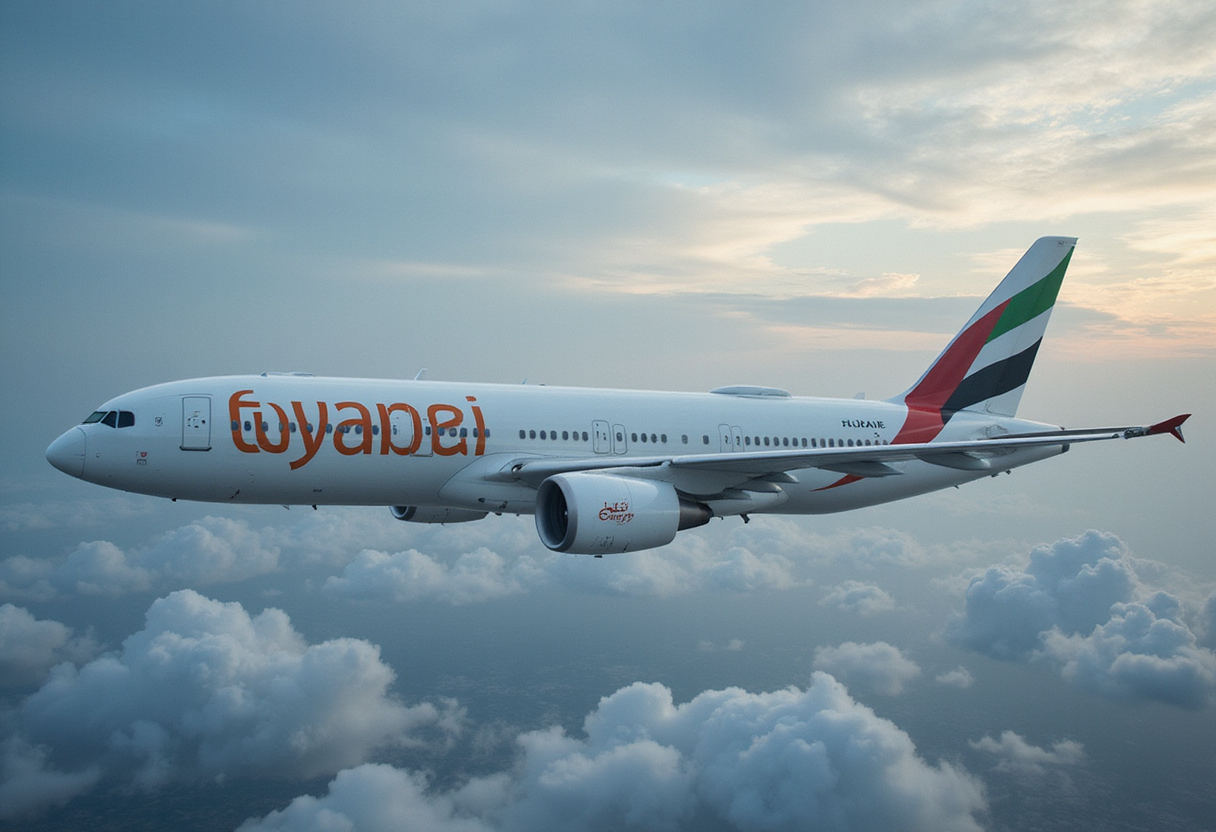
A flydubai Boeing 737 MAX 8, registration A6-FKF, diverted to Prince Sultan bin Abdulaziz International Airport in Tabuk, Saudi Arabia, on September 30, 2026, after transmitting two emergency transponder codes in sequence — including 7500, the code reserved for unlawful interference with an aircraft.
Flight FZ1073 was operating the scheduled service from Dubai International (DXB) to Tel Aviv Ben Gurion Airport (TLV). Flightradar24 data shows the aircraft departed Dubai at 03:05 UTC. At 05:31 UTC the crew set squawk 7700, the standard general emergency code. Seven minutes later, at 05:38 UTC, the transponder briefly switched to 7500, the hijack code, before returning to 7700 as the aircraft turned toward Tabuk. The aircraft left ground-based ADS-B coverage at 06:11 UTC, reappeared on satellite tracking at 06:28 UTC still squawking 7700, and transmitted its last signal at 06:58 UTC.
"Flydubai can confirm that flight FZ 1073 operating from Dubai International (DXB) to Ben Gurion International Airport (TLV) on 30 September 2026 experienced an incident while en route," a flydubai spokesperson said. "The aircraft has landed safely in Tabuk Airport (TUU) and all passengers are safe and accounted for. The safety and wellbeing of our passengers and crew remain our highest priority."
The airline said its teams were working with the relevant authorities and that further updates would follow as more confirmed details became available.
The 7500 transmission triggered a security response on the Israeli side. The Times of Israel reported that Israeli fighter aircraft were scrambled while authorities assessed the situation. Subsequent Israeli reports said the possibility of a hijacking had been ruled out after the aircraft landed without incident.
Israeli media attributed the emergency to a cockpit altercation. Public broadcaster KAN reported that the aircraft had been diverted following a "fight between the pilots." That account has not been independently confirmed, and neither flydubai nor Saudi aviation authorities had publicly explained what prompted the emergency signals or the diversion as of the time of reporting.
The distinction between the two squawk codes matters for how the event will be examined. A 7700 transmission declares a general emergency and is routinely used for medical or technical situations. A 7500 transmission specifically signals unlawful interference — hijacking or sabotage — and its use, even briefly, obliges air traffic control and security services to treat the flight as a potential hijack. The FZ1073 sequence — 7700, then 7500, then back to 7700 — suggests the crew's assessment of the situation changed mid-flight, or that the code was set and corrected in quick succession.
A 7500 squawk over Saudi Arabian airspace on a Dubai–Tel Aviv service carries obvious security weight in the region, which explains the Israeli fighter response. It also places the flight under the jurisdiction of Saudi authorities for the landing and initial investigation at Tabuk, a airport in the country's northwest.
If the pilot-fight report is substantiated, the incident would fall into the category of flight-crew human factors events that have previously grounded aircraft and triggered operator reviews of crew procedures and cockpit resource management. A confirmed altercation between pilots on a scheduled passenger service would raise questions for flydubai and the UAE's General Civil Aviation Authority about crew screening, rostering and cockpit discipline. Until the operator or investigators confirm the cause, that remains speculation grounded in unverified media reports.
What is established is narrower but firm: the aircraft, a 737 MAX 8 — a type flydubai operates as a core part of its all-737 fleet — transmitted a hijack code over Saudi Arabia, diverted, and landed safely with all passengers accounted for. How the flight resumes, whether the crew is stood down, and what the GCAA and Saudi counterparts conclude about the seven-minute 7500 transmission will determine the incident's regulatory consequences.
via flightradar24.com (Original)
More from Grace Kim
Show full bio
News editor covering consumer brands and retail at Flightdeck Report.
138 articles
Same bay
- FDR396flydubai Diversion Puts Cockpit Violence Under UAE Legal Lens · September 30, 2026
- FDR967Netanyahu: Flydubai 737 Max pilot stabbed colleague in sabotage attempt · September 30, 2026
- FDR223Flydubai Jet Survives 16,000-Foot Uncontrolled Descent · October 1, 2026
- FDR820EU Aviation Agency Issues Saudi Airspace Advisory After Houthi Attacks · September 30, 2026
- FDR423Riyadh Airspace Suspends Flights as Aircraft Held in Holding Patterns · September 29, 2026