Clearance CLR-8267 · AIR618
AIRFOR
AirportsClearance sheet
Ford International Opens 50 Acres With $5.2 Million Taxiway Extension
A $5.2 million taxiway extension at Gerald R. Ford International Airport has opened more than 50 acres for hangar, MRO and corporate aviation development in West Michigan.
Read-back
- The $5.2 million project added a 50-by-1,250-foot taxiway section, completed in October.
- The extension opens more than 50 acres for hangar, MRO and corporate aviation development.
- Construction created 60 jobs and was funded primarily through federal grants.
- Nearly all existing airside and hangar sites at the airport were already leased.
- Greater Grand Rapids supports more than 8,700 aerospace jobs and $1.5 billion in gross regional product, per The Right Place, Inc.
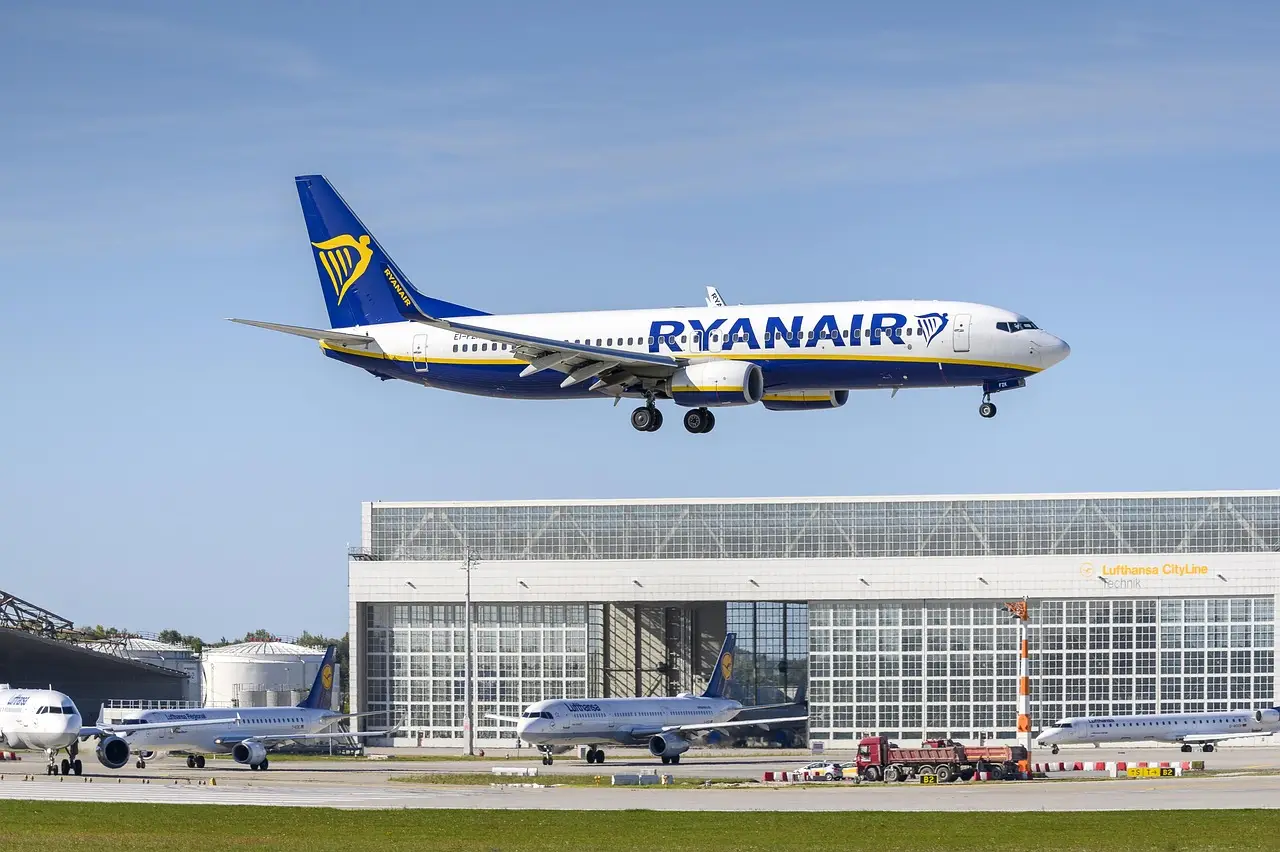
A $5.2 million taxiway extension at Gerald R. Ford International Airport has opened more than 50 acres of previously landlocked airfield for immediate aviation development. Construction finished in October, and the airport has already begun marketing the parcels in Grand Rapids, Michigan.
The project added a 50-foot by 1,250-foot taxiway section in the northeast corner of the airfield. The land it unlocks is reserved for one purpose: aircraft hangars, maintenance, repair and overhaul facilities, corporate aviation operations and related investment. Roughly the size of 40 American football fields, the parcel is now available to tenants who previously had nowhere to go.
Why the airport built it
Demand, in short, outgrew the inventory. Nearly all of the airport's existing airside and hangar development sites are already leased, which left the airport with little to sell to private aircraft owners, corporate flight departments and aviation service providers. The extension gives those future parcels direct aircraft access, the feature that makes airside land worth leasing at all.
"As demand for aviation facilities continues to grow, it is important we proactively invest in infrastructure that positions the Ford International Airport and our region for future opportunities," said Carlos Ruiz, chief commercial officer of the Gerald R. Ford International Airport Authority. The expansion, he said, strengthens West Michigan's ability to attract aviation investment and job creation.
The arithmetic is straightforward. The airport spent $5.2 million of mostly federal grant money to convert unusable acreage into revenue-producing land. Rental income from that land then feeds back into future capital improvements and maintenance, a model airports across the Midwest have used to fund growth without leaning on local taxpayers.
Who built it, and at what cost in jobs
The engineering came from C&S Companies, with Fischer-Idema, LLC as general contractor. Driesenga Associates, Fence Consultants and SME also worked on the project. Construction created 60 jobs — nearly $87,000 of direct public investment per construction job, though the figure ignores the indirect employment the work supported.
The funding split matters for the region's taxpayers. Federal grants carried the primary load, a point the airport's leadership was quick to acknowledge.
"We'd like to thank our federal partners for their continued financial support along with our local construction partners," said Tory Richardson, president and CEO of the airport authority. "By preparing additional land for aviation development, we are creating opportunities for new investments, job creation and long-term growth."
Does the region have the workforce?
The airport's bet rests partly on Grand Rapids' industrial base, and the numbers it cites come from The Right Place, Inc., the regional economic development organization. According to that group, Greater Grand Rapids has the highest concentration of industrial and mechanical engineers in the nation, supports more than 8,700 aerospace jobs and contributes $1.5 billion to gross regional product — roughly $170,000 in output per aerospace job.
Whether the acreage fills with hangars, MRO shops or corporate flight departments remains an open question; the airport has land and taxiway access, but no announced tenants yet. The airport describes itself as one of the Midwest's fastest-growing, a claim it will now have to defend with signed leases.
via Aviation Pros (Source)
More from Grace Kim
Show full bio
News editor covering companies, deals and strategy in Commercial aviation industry coverage at Flightdeck Report.
654 articles
Same bay
- FDR118SomeraRoad Breaks Ground on 75,000 sq ft Hangar Project at Harry Reid · November 17, 2026
- FDR764Traverse City Airport Breaks Ground on $120M Expansion · October 15, 2026
- FDR625US Airport Expansion Programs Target Capacity Constraints · September 26, 2026
- FDR596FAA channels $84.4 million in AIP grants to four airports across three states · October 10, 2026
- FDR618US lawmakers introduce airport, ATC investment legislation · October 10, 2026