Airlines & NetworksClearance sheet
Frontier's 2027 first class rollout becomes the test of its premium pivot
Frontier introduces its version of first class in 2027, testing whether a reshaped ULCC can sustain revenue gains won after Spirit's exit and a fleet right-sizing under new management.
Read-back
- Frontier Airlines will introduce its version of first class in 2027
- Former CEO Barry Biffle departed the carrier nearly a year ago
- Spirit Airlines' market exit was a boon, but Frontier calls it one factor among several in its revenue improvement
- Post-Biffle management abandoned defence of the ultra low cost model in favour of fleet right-sizing and premium offerings
- Plans were set in motion before the US-Israel attack on Iran and the resulting fuel price spike
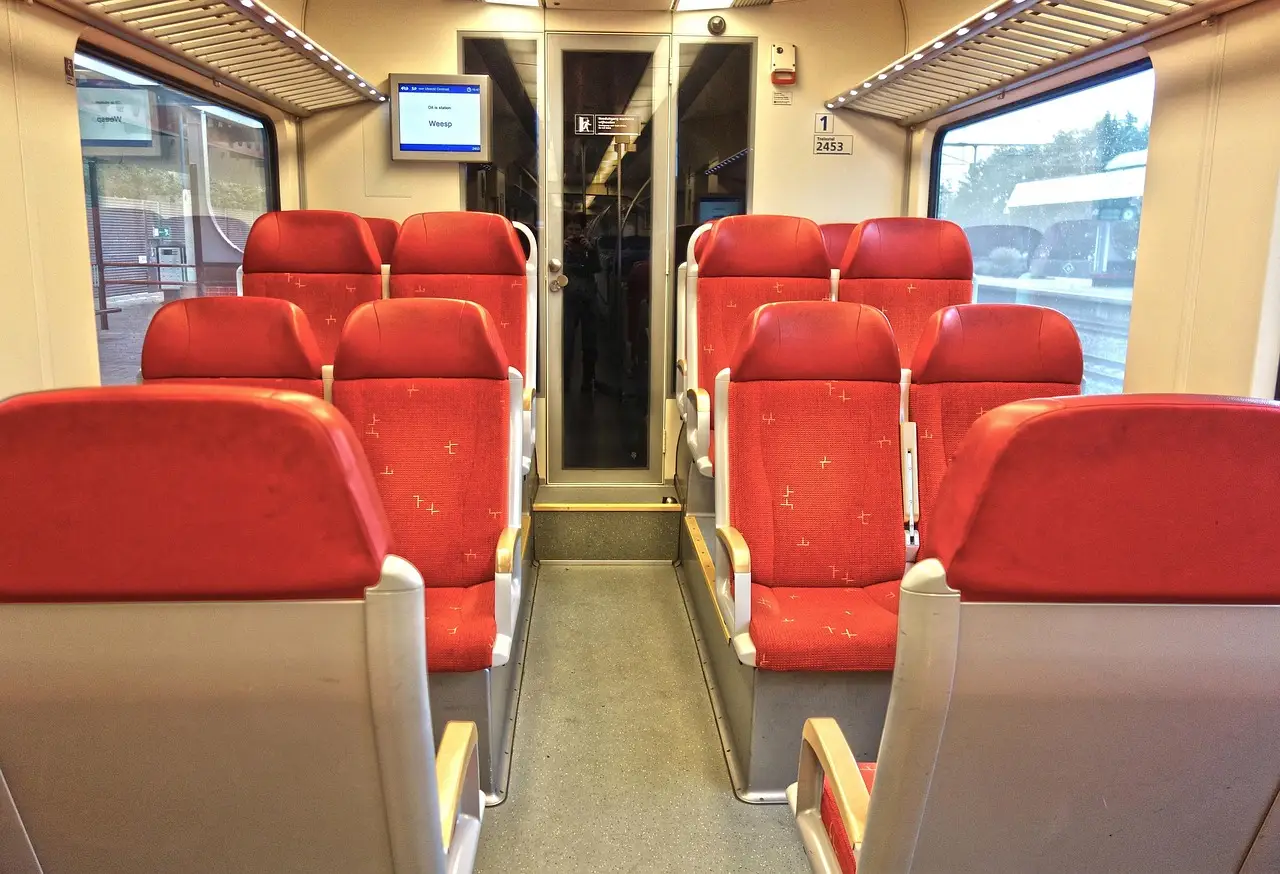
Frontier Airlines will introduce its version of first class in 2027, and the rollout amounts to the first hard test of whether a US ultra low cost carrier (ULCC — a model built on rock-bottom fares and charged extras) can rebuild profitability by moving upmarket.
The rollout follows a year of structural change at the Denver-based carrier. Long-term chief executive Barry Biffle departed nearly a year ago, while questions about the viability of the ultra low cost model in the US market refused to go away. His exit marked a turning point in more than leadership alone.
What changed after Biffle's exit?
Under Biffle, Frontier's management publicly defended the ultra low cost model even as scrutiny intensified. After his departure, that defence stopped. The new management team chose a different posture: it stopped arguing for the model and started reworking the airline around it.
The plan to restore profitability rests on two pillars:
- Right-sizing the fleet — aligning capacity with demand the airline can actually fill profitably, rather than chasing market share.
- Bolstering premium offerings — adding products that capture the higher-spending passengers the pure ULCC model had largely left to network carriers.
Frontier set these plans in motion before two external shocks reshaped its competitive environment. The first was the US and Israeli attack on Iran and the accompanying spike in fuel prices. The second was the demise of Spirit Airlines, Frontier's one-time ULCC rival.
How much does Spirit's exit explain?
Spirit's disappearance from the market was obviously a boon for Frontier. One fewer competitor in the ULCC segment means less fare pressure on overlapping routes and access to passengers Spirit once carried.
But Frontier's own assessment is more nuanced. The airline believes Spirit's exit is just one factor — singular, not sufficient — contributing to what it describes as a meaningful improvement in revenue. Management is attributing part of the gain to its own decisions: the fleet right-sizing and the premium build-out that began before either shock landed.
That distinction matters for anyone judging the turnaround. If the revenue momentum rests mainly on a competitor's collapse, it is a one-time windfall that fades as capacity redistributes. If it rests on the restructuring, it should hold. Frontier's framing puts weight on the latter.
What does the 2027 first class cabin actually test?
The question the rollout answers is practical: can a smaller US carrier sell premium seats at a profit, or does a first class product demand the network, lounges and loyalty infrastructure of the majors?
Frontier's first class debut will be watched closely across the industry. It is not happening in isolation — smaller carriers in the US are undertaking a premium push of their own, and Frontier's experience will give the industry at large a signal about whether that strategy works at the low-cost end of the market.
For Frontier, the stakes are direct. The 2027 introduction follows a revenue trajectory management calls meaningful, but momentum gained and momentum sustained are different tests. Fuel price volatility of the kind triggered by the Iran conflict can compress margins faster than premium seats can widen them.
The next milestone is concrete: getting the first class product certified, installed and sold on real aircraft, then reading whether the passengers who stayed loyal through the ULCC era follow Frontier into the front of the cabin — or whether the airline has to win an entirely new customer to make the math work.
via CAPA News (Source)
More from Sophie Lindqvist
Show full bio
Senior reporter covering people, launches and day-to-day practice in Commercial aviation industry coverage at Flightdeck Report.
713 articles
Same bay
- Frontier's first-class rollout in 2027 becomes the test of its premium pivot · November 23, 2026
- Frontier Adds Eight Routes Previously Flown by Spirit · September 30, 2026
- Frontier Sells First Class Seats After 32 Years of Coach-Only Flying · November 11, 2026
- Frontier Plots Four New Routes for Late 2026 · September 30, 2026
- Frontier to Launch 38 New Routes in July · September 26, 2026