Clearance CLR-5976 · SAF769
SAFFSB
Safety & OperationsClearance sheet
FSB Claims Foiled FPV Drone Plot Against Moscow Missile Defenses
FSB claims it foiled an SBU-directed FPV drone plot against Moscow missile defenses, after drone attacks closed all four capital airports twice in two days.
Read-back
- FSB announced on October 26, 2026 the arrest of two men accused of plotting an FPV drone attack on Moscow missile defenses
- All four Moscow airports closed simultaneously on October 23, 2026 — the second closure in two days
- October 9-10 attack: 160 Russian drones launched, 110 jet-powered Shaheds; 117 downed or jammed, 14 strike locations
- Zelenskyy said on October 25, 2026 Ukraine could halt refinery strikes if Russia stops hitting its power grid
- FSB did not name targets or explain how drones would be controlled from Ukraine
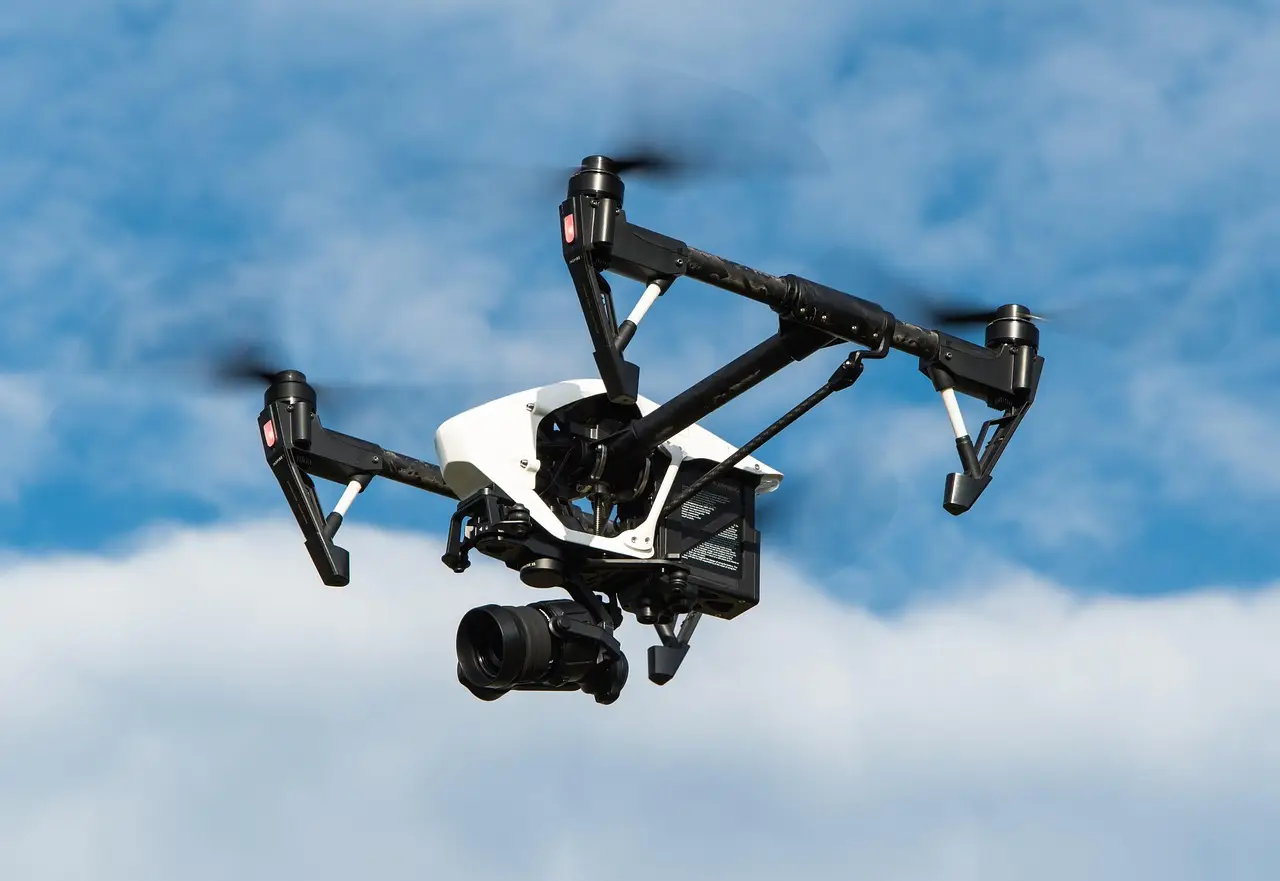
Russia's Federal Security Service said on October 26, 2026, that it arrested two men accused of preparing a close-range drone attack on part of Moscow's missile-defense system and an electricity facility. The agency claims the aircraft were to be launched inside Russia and flown by remote operators based in Ukraine.
The allegation arrives three days after all four airports serving Moscow suspended arrivals and departures simultaneously — the second such closure in two days — while Russian air defenses engaged incoming drones.
What does the FSB actually allege?
According to the FSB statement carried by TASS, the two suspects worked for Ukraine's SBU security service. They retrieved first-person-view FPV drones and explosive components from hidden caches in the Smolensk and Kaluga regions. Their task: prepare the aircraft, move them to the Moscow region, and activate them before operators in Ukraine took control.
Russian authorities identified the suspects only as men from the South Caucasus, born in 1991 and 1998. They did not disclose names or citizenship. The Moscow Times reported both men were jailed pending trial on terrorism-related charges.
TASS separately reported that the FSB released footage showing a suspect delivering a confession, alongside scenes purportedly depicting drone assembly. Purportedly is the operative word. FSB evidence releases in terrorism cases are staged by definition and independently unverifiable.
What the statement leaves out
The FSB did not name the intended targets. It did not explain how operators in Ukraine would exercise control over FPV drones launched near Moscow, hundreds of kilometers from the border and deep inside Russian electronic-warfare coverage. The claim of remote control from Ukraine is the load-bearing technical assertion in the case, and the agency offered no detail to support it.
Confession footage, standard in Russian security-service announcements, has limited evidentiary value. No independent confirmation of the plot exists.
Airports closed twice in two days
The announcement follows sustained drone pressure on the Russian capital's airspace. On October 23, 2026, Sheremetyevo, Domodedovo, Vnukovo and Zhukovsky airports all halted arrivals and departures as air defenses engaged approaching drones — the second simultaneous closure in two days.
Sheremetyevo directed passengers into shelters, including people aboard aircraft already parked on the airfield. Passengers sat in hardened spaces while drones probed the capital's defenses overhead. That image, more than the FSB's announcement, describes the operating environment around Moscow in late October.
The refinery strikes and the Washington dispute
Ukraine's drone campaign against Russian oil infrastructure has opened a fault line with Washington. The US has pressed Kyiv to stop striking refineries, arguing the attacks push energy prices higher.
President Volodymyr Zelenskyy has refused an unconditional halt. In an interview aired October 25, 2026, he said Ukraine could stop the attacks if Russia ceased striking Ukrainian electricity infrastructure. He also floated alternatives: satellite connectivity coverage over Russian missile-launch sites, or additional Patriot interceptor missiles.
The conditional offer tests whether Moscow values its refineries more than its strikes on Ukraine's grid. Neither side has accepted the trade so far.
Jet-powered Shaheds compress the clock
Russia, for its part, has expanded use of jet-powered Shahed attack drones. Their higher speed and operating altitude put Ukrainian mobile air-defense teams at a disadvantage. Crews describe engagement windows far shorter than against propeller-driven variants — less time to acquire, track and fire.
Ukraine's Air Force reported the scale on October 9-10: an overnight Russian attack involving 160 drones, including 110 jet-powered Shaheds. By morning, it counted 117 drones shot down or jammed, 82 of them jet-powered. Strikes still hit 14 locations, according to Ukrainska Pravda.
A 75% neutralization rate against a massed, high-speed salvo still leaves wreckage on the ground. That arithmetic, not the FSB's arrest announcement, defines where the drone war stands as both capitals absorb strikes and civil aviation pays the price in repeated closures.
via AeroTime (Source)
More from James Calloway
Show full bio
Staff writer covering people, launches and day-to-day practice in Commercial aviation industry coverage at Flightdeck Report.
586 articles
Same bay
- FDR335Russian Mi-8 Spent 42 Seconds in Polish Airspace; Warsaw Scrambles Fighters · September 30, 2026
- FDR407Russia steps up hybrid attacks on European airspace, EU's Kallas warns · October 10, 2026
- FDR474Romania Scrambles Fighter Jets as Russian Drone Falls on Moldova · September 30, 2026
- FDR798Russian Drone Incursions Into NATO Airspace Rise Since 2022 · September 29, 2026
- FDR514Four Russian drones enter Moldovan airspace overnight, Kyiv reports · October 16, 2026