Clearance CLR-6493 · AIR856
AIRHAW
Airlines & NetworksClearance sheet
Hawaiian to Replace B717 Fleet with Boeing 737-800s from 2028
Hawaiian confirms 737-800s will replace its aging B717s from 2028, with interim Alaska-operated HNL–Kahului flights from October and a cargo fleet returning in 2027.
Read-back
- First Hawaiian-liveried 737-800 enters the fleet in 2028; Alaska flies three daily HNL–Kahului roundtrips from October 2025 as a stopgap
- The 161-seat 737-800 (16 First, 30 Premium, 115 coach) replaces the 128-seat 717, doubling First Class capacity and adding an extra-legroom section
- Alaska Air Cargo grows from five to nine freighters starting in the first half of 2027, with some Hawaiian-branded aircraft based in Honolulu
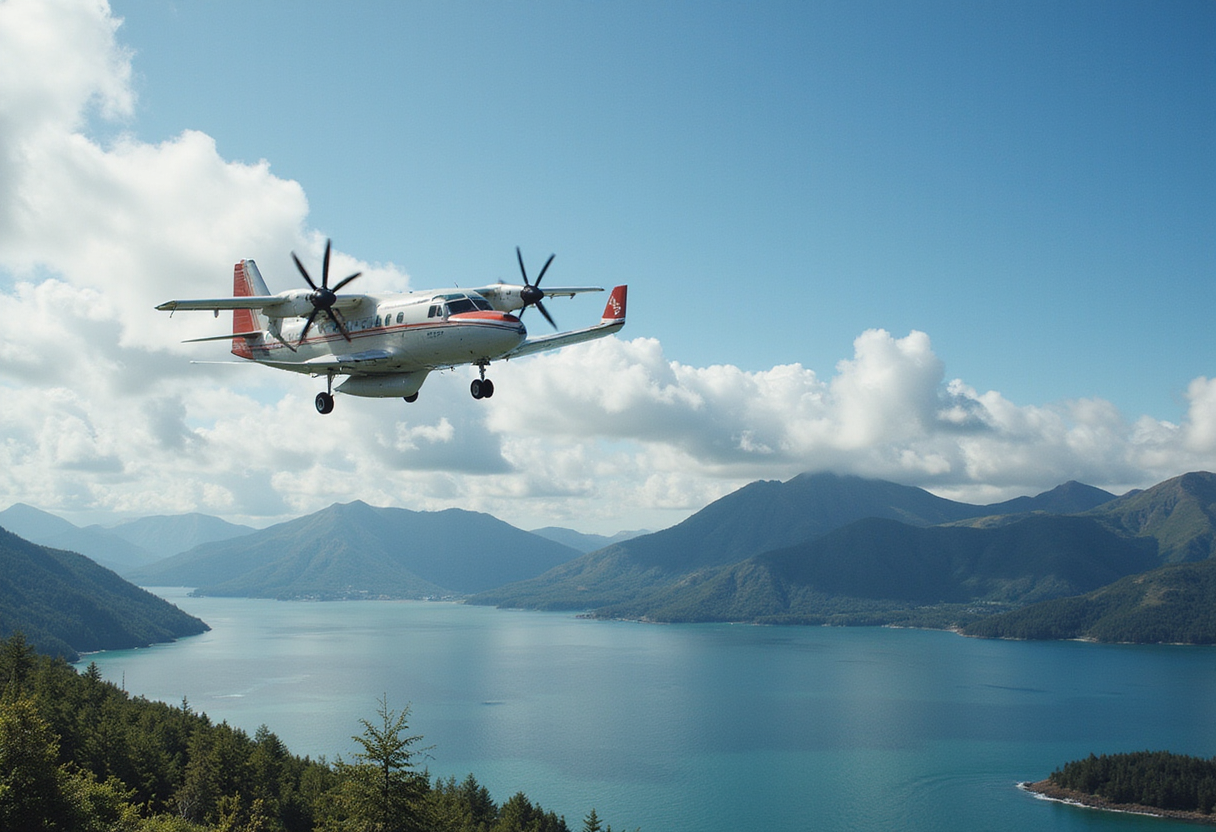
Hawaiian Airlines will retire its Boeing 717 fleet and replace it with 737-800s, with the first Hawaiian-liveried aircraft entering service in 2028 under a plan confirmed by CEO Diana Birkett Rakow and Head of Hawaiʻi Operations Jim Landers. The Air Current first reported the decision.
The move comes as the 717 fleet, long the backbone of Hawaiian's interisland operation, has degraded noticeably over the past two years. The aircraft now require more downtime and maintenance work. Expanding the fleet temporarily was a non-starter, so Hawaiian has pulled down its schedule to give the remaining aircraft breathing room. The strain is most acute in the middle of the day, when capacity falls short of demand.
A temporary fix begins in October. Alaska Airlines — operating under the Alaska brand, not Hawaiian — will fly three daily roundtrips between Honolulu and Kahului on Maui using a 737-800 that rotates back into the mainland fleet. Passengers should not expect Hawaiian-style service on these flights; the arrangement is a bridge until the permanent fleet arrives.
The permanent solution starts in 2028, when the first 737-800 painted in Hawaiian livery and fitted with Hawaiian-branded service joins the fleet. Hawaiian has not set a full retirement timeline for the 717s, but executives say the transition will not be drawn out. The exact number of 737-800s destined for the Hawaiian fleet also remains open. Planners will work backward from the schedule — determining how many flights at what times need the higher-capacity aircraft — before committing to a fleet count. Alaska's existing pool of -800s gives the company flexibility to size the operation later.
Executives insist frequency will hold. "I don't see us pulling out of any of those markets," Birkett Rakow said when asked whether all current interisland routes would continue.
Cabin and network consequences
The 737-800 will carry 161 seats: 16 in First Class, 30 in Premium Class with extra legroom, and 115 in coach — the same configuration as Alaska's recently refreshed -800s. Interiors will keep Hawaiian color schemes, including bulkheads and seat covers. Compared with the 128-seat 717, coach gains an inch of pitch, the aircraft adds a full extra-legroom section, and the First Class cabin doubles in size.
With 33 more seats per aircraft, Hawaiian does not need to densify the cabin, allowing a more comfortable product. The larger premium cabins also expand upgrade opportunities for elites and add purchasable premium inventory. "A lot of guests really do purchase First Class," Birkett Rakow said, noting that paid First Class connections — particularly from Japan and Australia funneling through Honolulu to the neighbor islands — benefit from the added seats.
The aircraft will also carry power outlets and Starlink connectivity, features already installed across Alaska's fleet. On flights under 45 minutes, the practical value is limited, though local business travelers may notice.
Why the 737-800
Landers, who was at Hawaiian before the Alaska acquisition, explained the selection logic: "There isn't another perfect 128-seat tank being built." Pre-merger Hawaiian had been circling second-hand Airbus A319ceo or A320ceo aircraft for commonality with its Airbus fleet. Post-merger, the calculus tipped toward the Boeing fleet Alaska already operates, but the underlying driver stayed the same: engines. New-generation Pratt & Whitney GTF and GE LEAP powerplants do not perform well on short, frequent hops.
The Embraer E195-E1, which uses engines from a similar generation, was considered. The combination of Alaska's existing -800 fleet and the need for more capacity — especially midday — made the Boeing the clear choice. Hawaiian would rather fly larger aircraft full at peak times with empty seats off-peak than remain capacity-constrained.
The decision does not signal an early exit for Hawaiian's A321neos. "We are maximally using every airplane we have at our disposal right now, we want all those airplanes," Birkett Rakow said. Their long-term role remains an open question.
Fleet flexibility and open questions
The interisland 737s will be based in Honolulu and fly within the islands — usually. Because they share Alaska's mainland configuration, they can substitute onto mainland routes when needed, such as during a maintenance disruption in Honolulu, without requiring significant spare capacity elsewhere in the system.
Training and maintenance plans remain unresolved, a source of anxiety for some Honolulu-based employees. Alaska has just opened a new global training center in Renton, outside Seattle, which Birkett Rakow pointed to as a resource. Primary training for the 737 would likely shift there, a departure from how 717 training operates today. Line maintenance will remain significant in Honolulu, but the company has not disclosed plans for heavy checks. "We intend to keep a strong headquarters [in Honolulu] with training and front line resources," Birkett Rakow said.
Cargo returns to the islands
Alongside the fleet announcement, Alaska Air Cargo will grow from five to nine freighters, with at least some branded Hawaiian Air Cargo and based in Honolulu to fly between the islands. The exact split is not yet announced. Operations begin in the first half of 2027.
Hawaiian has not operated a dedicated cargo fleet in nearly a decade. It previously used cargo aircraft alongside ATRs serving Molokai and Lānaʻi, but pandemic-era cuts forced the outsourced passenger ATRs to ground to avoid violating the pilot contract, and Hawaiian shut the operation down. The aged ATRs also suffered reliability problems and parts shortages.
Landers is bullish on the revival. The ATR service had "bright spots," he said, and there were "plenty of customers lining up." The new operation will return to those customers with much larger aircraft. Competitors Aloha and Kamaka may not welcome the news, but with Transair diminished — it now flies only Shorts 360s after losing a 737 in a 2021 crash — the market may have room for more than one player.
With Alaska's cargo business already running, expanding it into the islands is far cheaper than building an operation from scratch. The 737 transition and cargo expansion together mark the first large-scale test of whether the Alaska–Hawaiian merger can deliver network and cost benefits neither carrier could achieve alone.
via news.alaskaair.com (Original)
More from Priya Raman
Same bay
- FDR269Alaska Airlines Places Largest-Ever Aircraft Order · September 30, 2026
- FDR447Alaska Airlines places largest-ever aircraft order with Boeing · September 30, 2026
- FDR722Alaska Airlines Unveils Northern Lights-Liveried 787-9 · September 30, 2026
- FDR398Alaska Airlines Unveils First 787 in 'Global' Livery, Backs It With Largest-Ever Order · September 30, 2026
- FDR436Alaska Airlines Orders 110 Boeing Aircraft · September 30, 2026