Clearance CLR-2335 · AIR698
AIRHOU
Airspace & RegulationClearance sheet
Houthis threaten aircraft entering Saudi airspace outside Mecca, Medina
Houthi statement threatens aircraft in Saudi airspace while exempting only Mecca and Medina, putting the kingdom's overflight corridors in scope.
Read-back
- Houthis threatened aircraft entering Saudi airspace, per the Daily Observer report.
- Only Mecca and Medina were explicitly exempted from the threat.
- No timeline, weapons or enforcement details were given in the report.
- No airline suspensions or airspace advisories were reported in response.
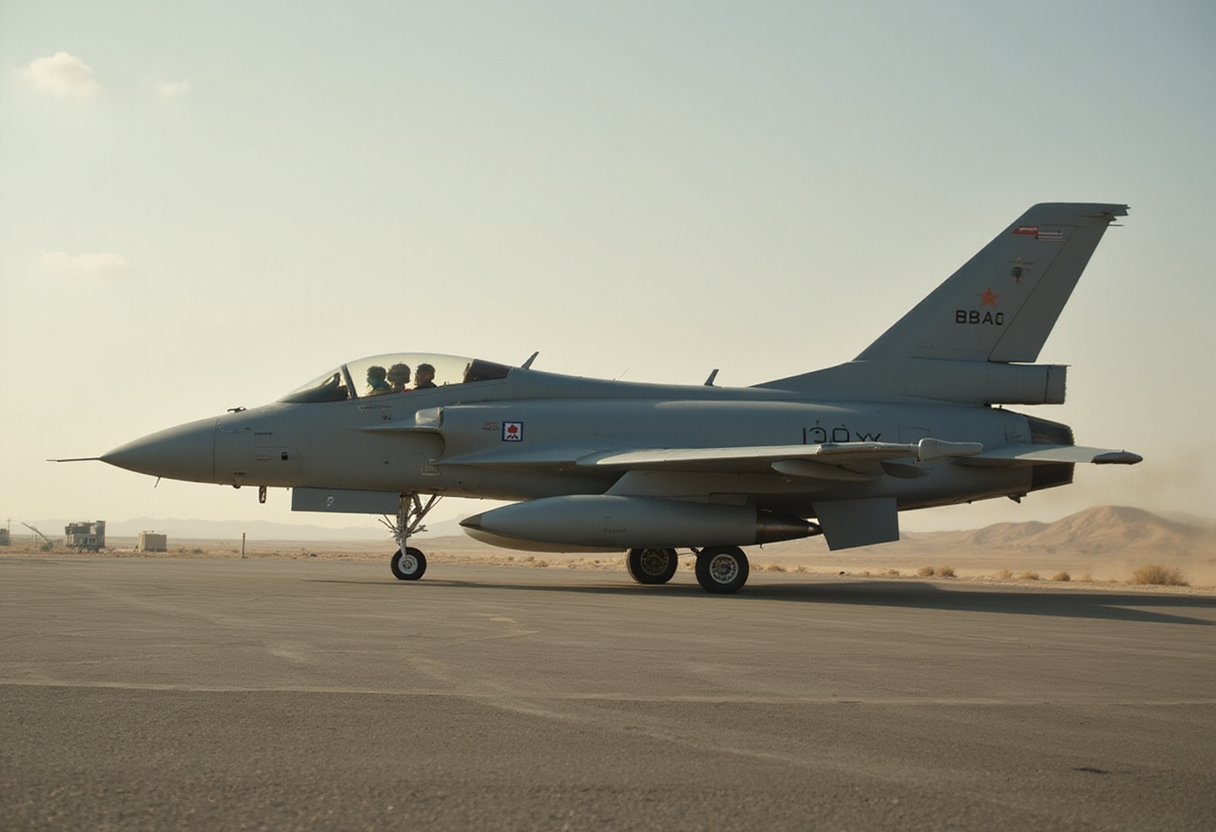
Yemen's Houthi movement has issued a threat against aircraft entering Saudi airspace, explicitly exempting only flights bound for Mecca and Medina, according to a report by the Daily Observer.
The announcement singles out the two holy cities as the sole exclusions from the threatened area of operations. Every other flight segment traversing Saudi airspace — including traffic serving Riyadh, Jeddah's commercial gateway and the Red Sea corridor — falls, on the face of the statement, within the scope of the threat.
No detail was given in the report on the specific weapon systems, enforcement means or timeline the group claims it would use. Nor did it specify whether the threat distinguishes between Saudi carriers, foreign airlines overflying the kingdom, or state and cargo operations.
Why does the Mecca–Medina carve-out matter?
The exemption aligns with the religious significance of the two cities and echoes the pattern of previous Houthi statements that have sought to frame their campaign in religious and political terms while avoiding direct threats to Hajj and Umrah pilgrimage traffic.
For operators, however, the carve-out offers little practical reassurance. Mecca and Medina are not major commercial hubs for international overflight; the bulk of Saudi Arabian airspace traffic transits or terminates elsewhere — Riyadh, Jeddah's King Abdulaziz International Airport, Dammam and the busy Europe–Asia corridors that cross the peninsula.
A threat that covers all Saudi airspace apart from two cities therefore reads, operationally, as a threat to the kingdom's entire civil aviation network and to the international routes that depend on it.
What is at stake for airlines and regulators?
Saudi Arabia sits astride one of the world's densest overflight corridors, carrying Europe–Gulf and Europe–Asia traffic. Any credible move toward targeting civil aircraft would force carriers to evaluate rerouting, with consequences for fuel burn, block times and schedule reliability across dozens of long-haul networks.
The burden of response would fall on several parties at once: the Saudi General Authority of Civil Aviation and national air-navigation services on airspace management; national security authorities on threat assessment; and foreign regulators and carriers on whether overflight clearances and insurance coverage remain sustainable.
The report contains no indication yet of any airline suspending Saudi operations or of any NOTAM responding to the threat. Airlines, lessors and their insurers will be watching for concrete follow-through — a strike attempt, an intercepted drone or missile launch, or a formal airspace advisory — before treating the statement as an operational factor rather than rhetoric.
via Google News: Air traffic control and airspace (Source)
More from James Calloway
Show full bio
Staff writer covering industry trends and analytics at Flightdeck Report.
399 articles
Same bay
- FDR953Houthis Warn Airlines Off Saudi Airports, Threaten Full-Scale Strikes · October 11, 2026
- FDR711Houthis issue new threat to Saudi airspace after airport attack · October 11, 2026
- FDR877Houthis Issue New Threat to Saudi Airspace After Deadly Airport Attack · October 11, 2026
- FDR779Houthis Warn Airlines Over Saudi Airspace as Yemen Strikes Intensify · October 9, 2026
- FDR258Houthis Declare Intent to Close Saudi Airspace and Oil Facilities · October 9, 2026