Clearance CLR-6975 · SUS326
SUSIAG
SustainabilityClearance sheet
IAG Chief Says UK Green Fuel Charges Will 'Kill' Aviation
IAG chief Luis Gallego warns UK environmental charges will 'kill European aviation' as SAF mandates rise to 10% by 2030, costing carriers a combined £2 billion.
Read-back
- UK SAF mandate rises from 3.7% to 10% by 2030; EU target reaches 6% by decade's end
- Airline executives and unions estimate £2 billion in combined carrier costs by 2030
- IAG CEO Luis Gallego says the charges will 'kill European aviation'
- EU will not penalise fuel suppliers that miss the 2030 SAF inclusion mandate, per Eddy Ligeois
- British Airways CEO Sean Doyle called for a legislative review to keep UK aviation competitive
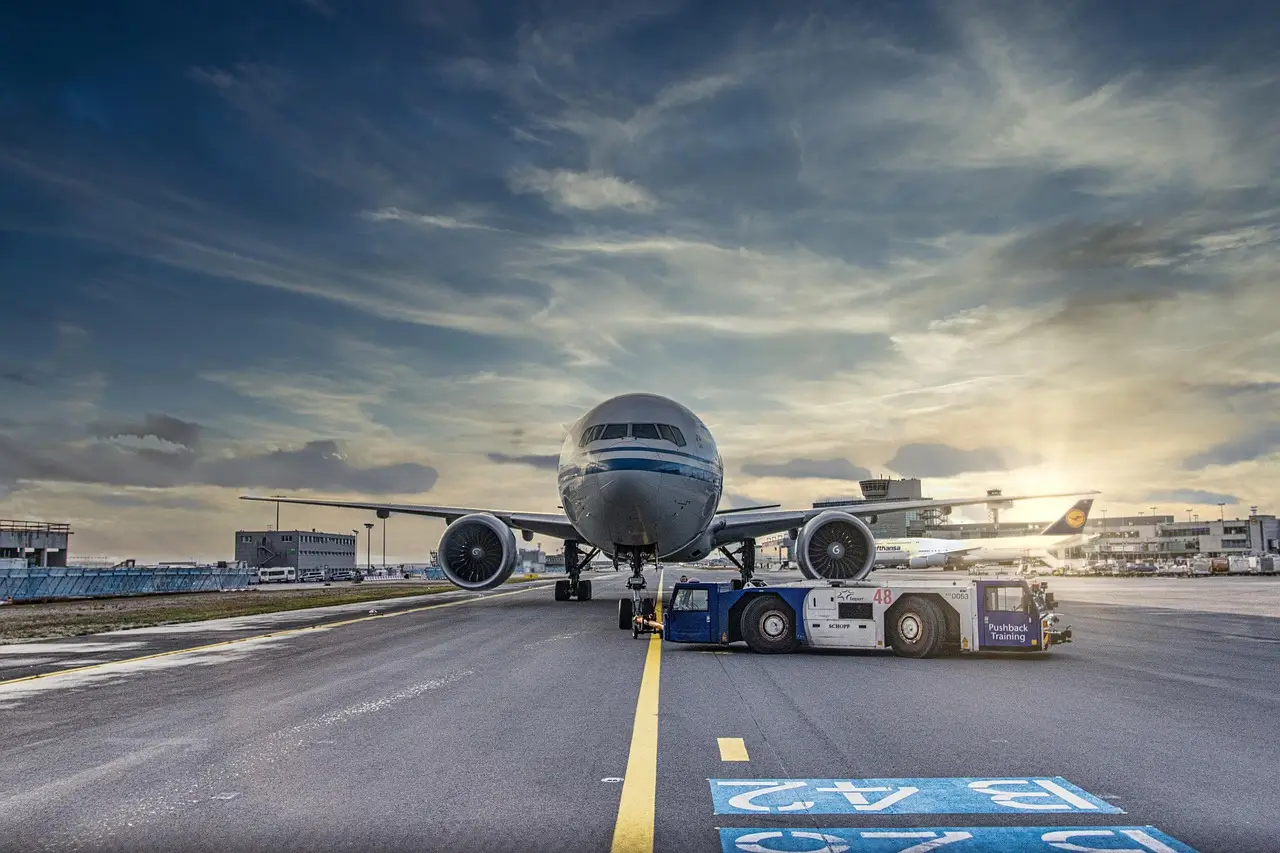
British carriers face a bill of £2 billion by 2030 from sustainable aviation fuel mandates, and the head of the industry's largest European group says the price will be paid in competitiveness rather than carbon.
Luis Gallego, chief executive of International Airlines Group, warned this week that planned environmental charges would "kill European aviation" and seriously damage airlines' ability to compete against non-EU carriers facing no equivalent requirements. His verdict is blunt. The mandates, in his view, will not save the environment; they will simply hollow out the European sector.
What do the mandates require?
Under UK law, the share of sustainable aviation fuel that UK carriers must burn rises from 3.7% today to 10% by 2030. EU carriers face a lighter trajectory, with their SAF obligation reaching 6% by the end of the decade.
SAF is not a vague green abstraction. It is fuel refined from feedstocks that emits less carbon across its full lifecycle than conventional jet fuel, and it remains the industry's principal decarbonisation lever. The problem is supply, not intent. At the most recent Airlines for Europe conference, Gallego noted that SAF mandates are advancing faster than production capacity — a gap of roughly two to one between the UK's 10% requirement and the EU's 6%, with no comparable increase in refinery output behind either figure.
How much will it cost, and who pays?
Gallego, other airline executives and union groups put the combined cost to carriers at £2 billion by 2030. That sum lands on an industry already absorbing rising charges across multiple fronts and elevated fuel prices — roughly £200 million per year spread across the affected carriers, before any pass-through to passengers.
Sean Doyle, chief executive of British Airways, said the industry faces costs and pressures from additional charges that would ultimately affect consumers. He added that he hoped legislators would review the regulations to ensure British aviation remained competitive and delivered value for money. Two group CEOs, in effect, have asked the same question: who bears the cost of a fuel that does not yet exist at scale?
Why does the EU's retreat complicate the picture?
The UK held a consultation on its sustainability plans. Brussels chose a different route. Earlier this year the European Union announced it would "soften" its fuel rules by not financially penalising airlines that miss agreed fuel targets.
Eddy Ligeois, head of the aviation policy unit, confirmed there will be no punishment for fuel suppliers that fail to comply with the mandate requiring SAF inclusion in airline fuel supplies by 2030. The reasoning is pragmatic; the optics are not.
Criticism came swiftly. One lobbyist representing green fuel producers said the decision effectively tells airlines and suppliers that if they sit back long enough, they will not be held accountable. Advocates argued the move undermines decarbonisation efforts it was designed to serve.
What happens next?
The divergence is now the story. One regulator tightens a mandate the market cannot supply; another relaxes penalties for missing it. As the SAF deadlines approach, governments and aviation authorities will have to reconcile the targets with production reality and consumer cost. Gallego's warning — that the charges kill aviation without saving the climate — is now the industry's working hypothesis, and 2030 is close enough to test it.
via travelradar.aero (Source)
More from Grace Kim
Show full bio
News editor covering companies, deals and strategy in Commercial aviation industry coverage at Flightdeck Report.
584 articles
Same bay
- FDR948ICCT examines financial levers to scale EU sustainable aviation fuel · September 28, 2026
- FDR114ReFuelEU SAF mandate is here to stay, European Commission says · October 16, 2026
- FDR639SAF mandate: Europe faces strategic choice on aviation fuel · October 10, 2026
- FDR950BCG Warns Sustainable Aviation Fuel Uptake Is Too Slow · October 18, 2026
- FDR187Sustainable Aviation Fuel Market Forecast to Hit $43.75 Billion by 2034 · September 30, 2026