Clearance CLR-3601 · AIR778
AIRIND
Airspace & RegulationClearance sheet
India Weighs China Overflight Route as Pakistan Airspace Ban Bites
India is exploring a flight corridor through Chinese airspace to offset Pakistan's ban on Indian overflights, as carriers absorb longer, costlier routings to Europe.
Read-back
- India is exploring an alternative flight route via China amid Pakistan's airspace ban, The Tribune reports.
- The Pakistani closure removes the most direct corridor between Indian hubs and Europe, adding fuel, crew and utilization costs.
- Any China routing requires overflight clearances from the CAAC and diplomatic sign-off before airlines can shift tracks.
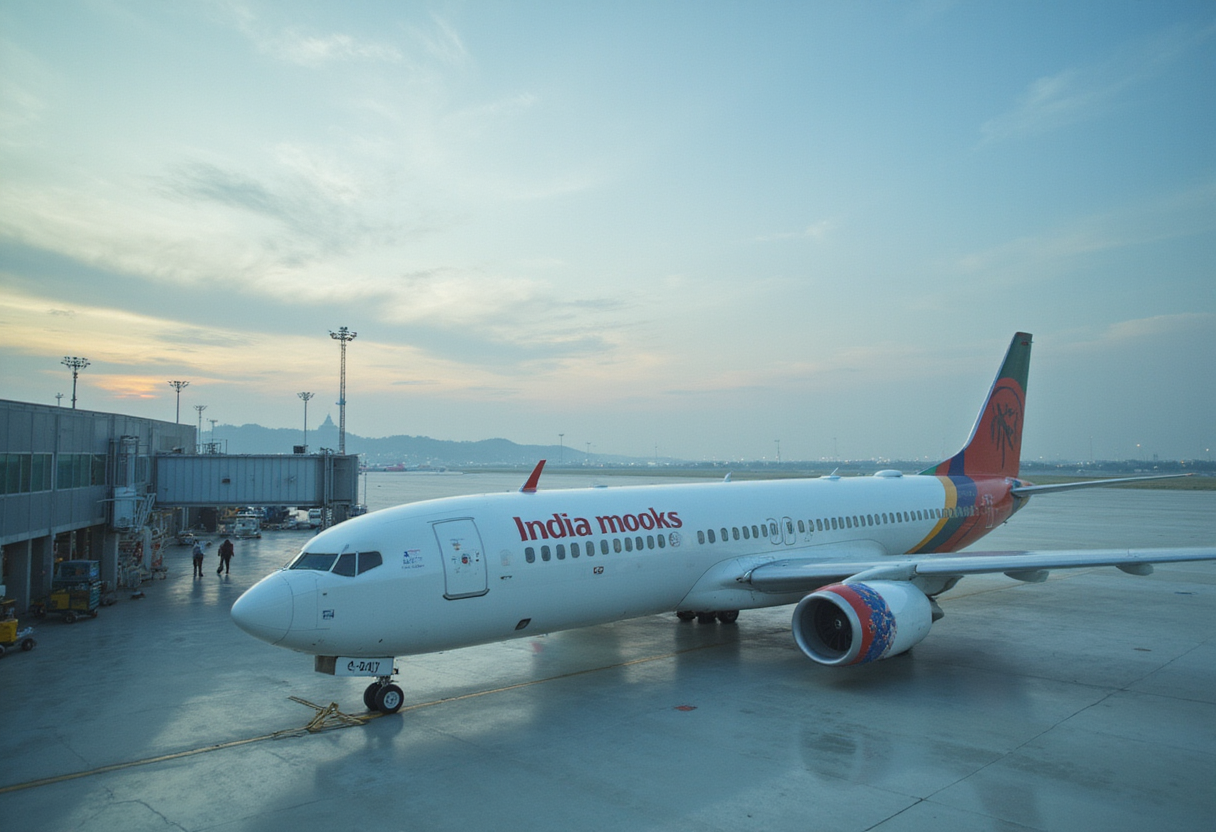
India is exploring an alternative flight route through Chinese airspace as airlines and aviation authorities grapple with Pakistan's ban on Indian use of its airspace, The Tribune reports.
The closure removes the most direct corridor between India and Europe, the Gulf connection points beyond, and destinations further west. For carriers serving Delhi, Mumbai and other northern Indian hubs, Pakistan's airspace sits squarely on the great-circle track toward Europe and North America. Any workaround forces longer tracks, and longer tracks mean more fuel, more crew time, and in some cases payload restrictions on westbound sectors.
A routing via China would take aircraft northeast before swinging them over Chinese territory toward Central Asia and onward to Europe. That geometry adds distance compared with the straight Pakistani corridor, but it keeps flights on a broadly northern arc rather than forcing the long southern detour across the Arabian Peninsula that some operators have had to accept.
The Tribune does not specify which carriers, regulators, or route packages are involved in the discussions, nor whether Beijing has signalled willingness to grant the necessary overflight approvals. Chinese airspace access for transit traffic is managed through strict slot and route permitting, and diplomatic sign-off would carry weight given the state of India–China and India–Pakistan relations. Securing viable routings therefore depends as much on political clearance as on operational planning.
The economic stakes are straightforward. Every additional hour of block time on a Europe–India sector translates into measurable fuel burn — typically several tonnes per flight on widebody operations — plus higher crew costs and reduced aircraft utilization across the day. On thin-margin long-haul routes, an extra 60 to 90 minutes per sector can decide whether a route remains viable at current fares. Network planners must also recalculate fuel planning, alternate airports, and ETOPS-relevant segments where routings shift.
For the airlines, the immediate question is which corridors remain open, at what cost, and for how long. Overflight bans of this kind have historically proven sticky: after the 2019 tensions, Pakistani airspace closure to Indian traffic lasted months, and carriers adapted by rebuilding schedules around southern routings. The difference now is that operators have recent experience with the arithmetic of diverted tracks and can model alternatives quickly.
A China routing, if approved, would compress the penalty relative to southern detours. It would not eliminate it. Aircraft would still fly further than the pre-ban optimum, and congestion over Chinese airways — already among the most heavily managed in the region — could impose its own delays and fuel penalties.
Regulators on all sides hold the keys. India's Directorate General of Civil Aviation and its Chinese counterpart, the CAAC, would need to clear the technical and diplomatic path before scheduled operations could shift to new tracks. Until then, carriers continue to absorb the cost of whichever corridors remain available.
The Tribune's report signals that New Delhi is actively searching for structural relief rather than treating the ban as a short-term disruption. Whether Beijing grants the overflight rights that any China routing requires will determine if this becomes a workable corridor or another dead end in the map.
via Google News: Air traffic control and airspace (Source)
More from Priya Raman
Same bay
- FDR103India Weighs Xinjiang Overflight Route to Bypass Pakistan Airspace Ban · September 30, 2026
- FDR749India Seeks China Overflight Route as Pakistan Extends Airspace Curbs · September 30, 2026
- FDR175Pakistan Airspace Shut as Indian Carriers Weigh China Routes · September 30, 2026
- FDR636India Weighs China Overflight Route to Bypass Pakistan Airspace Ban · September 30, 2026
- FDR215India Opens Talks With Beijing on Alternate Air Route · September 29, 2026