Clearance CLR-2388 · SAF531
SAFIND
Safety & OperationsClearance sheet
IndiGo A321neo Tail Strike at Bengaluru Grounds Aircraft, Prompts DGCA Investigation
VT-IBH, an A321-252NX operating flight 6E6542 from Guwahati, struck its tail on the second approach at Bengaluru after a go-around. DGCA is investigating.
Read-back
- IndiGo A321-252NX VT-IBH suffered a tail strike on its second landing attempt at Bengaluru on September 27, 2026, after a go-around on the initial approach
- No injuries among passengers or crew; aircraft completed the landing, taxied in, and was withdrawn from service for inspection
- DGCA has launched an investigation into both approaches, the aircraft's technical condition, operational data, and weather conditions
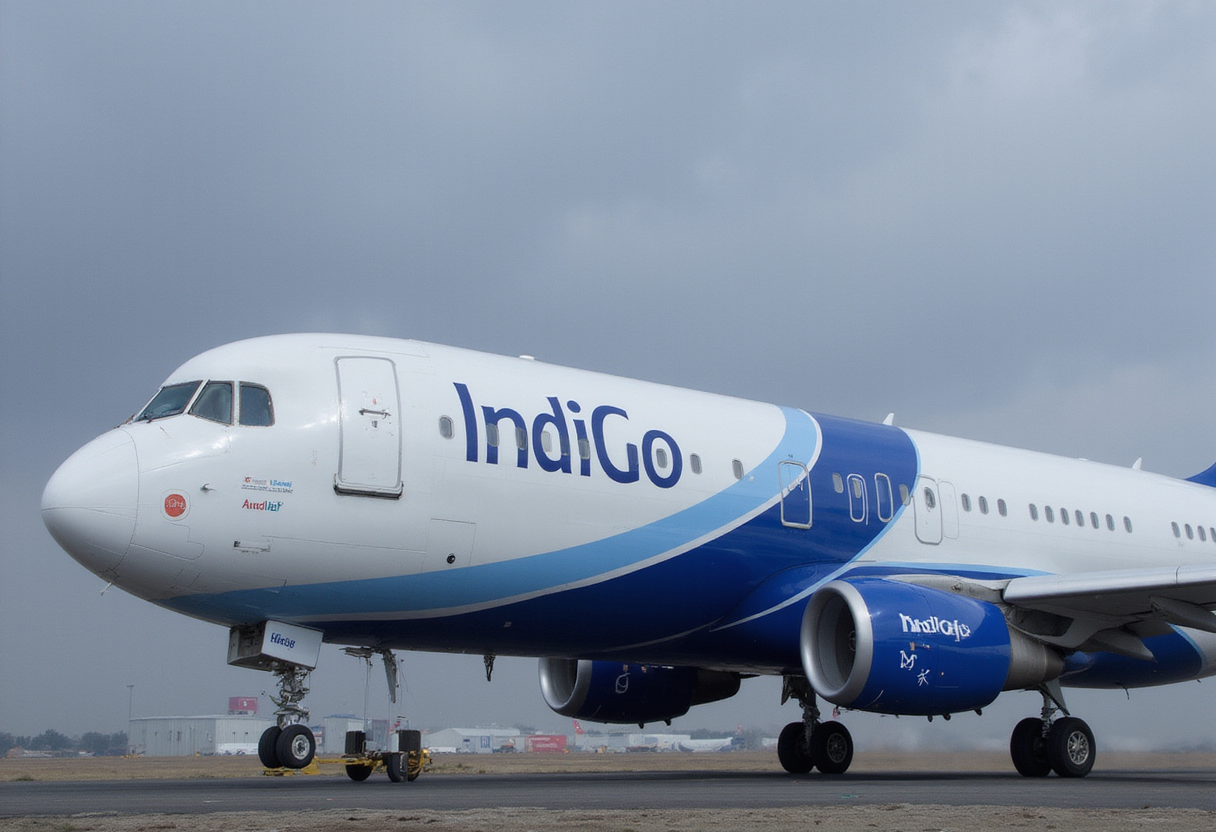
An IndiGo Airbus A321-252NX registered VT-IBH suffered a tail strike during its second landing attempt at Kempegowda International Airport in Bengaluru on September 27, 2026, prompting the Directorate General of Civil Aviation (DGCA) to open an investigation and the airline to withdraw the aircraft from service.
The aircraft was operating flight 6E6542 from Guwahati (GAU) to Bengaluru (BLR). According to Indian media reports, the crew conducted a go-around after the initial approach to Kempegowda's runway. On the second approach, the aircraft's tail section contacted the runway surface during the landing flare. IndiGo classified the occurrence as an "abnormal runway contact."
The aircraft completed the landing and taxied to the stand without further incident. No injuries were reported among the passengers or crew on board.
IndiGo stated that the incident occurred amid gusty weather conditions at Bengaluru, though it has not been established whether wind played a causal role in the tail strike.
Following the landing, IndiGo removed VT-IBH from service and grounded it for maintenance inspections. The airline notified the relevant authorities under standard reporting procedures. The extent of damage has not been publicly disclosed, and it remains unclear whether the aircraft sustained structural damage requiring repairs or component replacement.
Tail strikes carry direct cost and operational consequences. Even minor contact with the runway surface typically requires inspection of the aft fuselage pressure bulkhead area, and in more severe cases operators must repair or replace structural components before the airframe returns to service. For IndiGo, which operates the world's largest A320-family fleet, the temporary loss of an A321neo reduces available seat capacity on a high-density domestic route.
The DGCA has launched an investigation into the incident. Investigators are expected to examine the circumstances of both approaches, the aircraft's technical condition, operational data — including flight data recorder and cockpit voice recorder information — and the prevailing weather conditions at the time of the event.
The regulator's findings will determine whether the tail strike resulted from approach-speed and pitch-control factors during the gusty conditions, crew technique, aircraft loading, or a combination of elements, and IndiGo has not indicated when VT-IBH might return to service.
via timesofindia.indiatimes.com (Original)
More from Nathan Brooks
Show full bio
Correspondent covering media and advertising at Flightdeck Report.
149 articles
Same bay
- FDR921BFU: Vietnam Airlines 787-9 Braked Twice During Munich Takeoff Overrun · September 29, 2026
- FDR967Netanyahu: Flydubai 737 Max pilot stabbed colleague in sabotage attempt · September 30, 2026
- FDR890TAIC finds systemic failures behind Air NZ Q300 low-altitude incident · September 30, 2026
- FDR237ITA Airways Cancels 29% of Flights Ahead of Italian ATC Strike · September 30, 2026
- FDR223Flydubai Jet Survives 16,000-Foot Uncontrolled Descent · October 1, 2026