Clearance CLR-7408 · AIR975
AIRIND
Airlines & NetworksClearance sheet
IndiGo may accelerate international expansion as airspace bans bite
IndiGo CEO Willie Walsh says 30 daily flights were cut as Pakistan's airspace ban and Saudi disruption bite; capacity may shift east earlier than planned.
Read-back
- IndiGo cut about 30 flights a day due to the security situation in Saudi Arabia.
- Pakistan has barred Indian airlines from its airspace since April 2025, renewed monthly.
- IndiGo ended its Boeing 787 lease with Norse Atlantic Airways last month.
- Airbus A350 deliveries are planned for 2028, leaving a wide-body gap.
- Willie Walsh became IndiGo CEO in August.
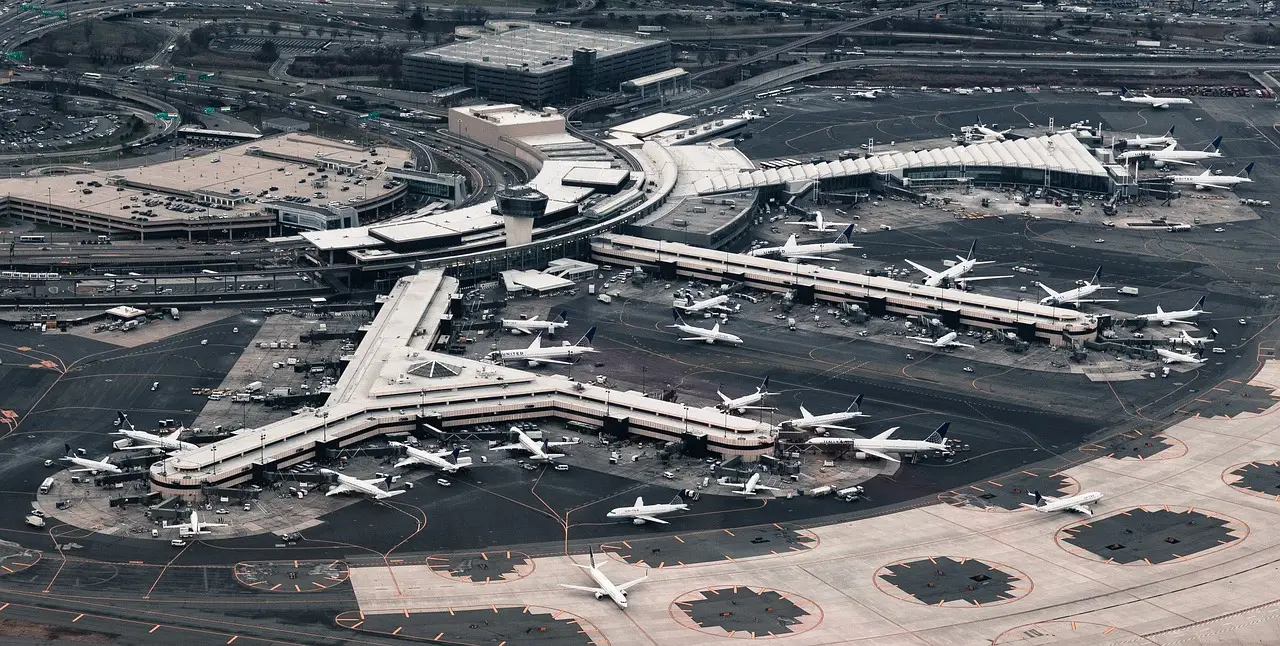
IndiGo is cutting roughly 30 flights a day and may push capacity into international markets earlier than planned, as Pakistan's airspace ban and Middle East disruption interrupt westbound flying for India's largest airline.
CEO Willie Walsh, who took the top job in August, said the airline has restored nearly all of its network apart from the flights affected by the security situation in Saudi Arabia. Attacks on Riyadh's main airport in October, claimed by Yemen's Iran-aligned Houthis, forced airlines across the region to cancel services to the kingdom.
The disruptions land at an awkward moment. IndiGo is trying to expand beyond its dominant domestic market and challenge established international carriers. Its first true long-haul experiment has already ended.
What happened to the wide-body operation?
Last month IndiGo terminated its arrangement to lease Boeing 787 jets from Norse Atlantic Airways. High fuel costs, airspace restrictions and currency pressures undermined the operation. The decision suspends IndiGo's wide-body flying until its ordered Airbus A350s arrive in 2028.
That leaves a multi-year gap in the long-haul plan. The airline now faces a choice between waiting for the A350s or finding another interim solution — something Walsh did not address.
Does this force IndiGo eastward?
Asked whether the disruptions could push IndiGo toward Asia-Pacific and Australasia instead of westbound destinations, Walsh pushed back on the framing. A former British Airways and IATA chief, he said: "I wouldn't use the word forced to look because these are markets that we're looking at anyway."
"It may be that we'll allocate capacity to certain markets earlier than we had intended to do, but they're all growth opportunities," he told reporters in New Delhi. He did not specify which markets would receive the accelerated capacity.
The distinction matters. IndiGo already planned Asian expansion; the disruption changes timing, not direction. What Walsh left unsaid is how much capacity the western disruptions actually free up, and for how long.
How long will the Pakistan ban last?
Pakistan has barred Indian airlines from its airspace since April 2025, forcing longer westbound routes. The ban followed a deadly attack on tourists in Indian Kashmir that New Delhi blamed on Islamabad. Islamabad denied involvement. Weeks later, the two countries fought a brief military conflict.
Since then, Pakistan has renewed the ban monthly. That rolling structure gives airlines no planning horizon — each month brings a fresh decision, and each renewal keeps westbound fuel burn and block times elevated.
Walsh said the closure primarily affects flights from Delhi, the carrier's principal hub. But he argued the constraint is not structural. The airline has "a lot of opportunity" to expand long-haul flying from other major Indian cities, routing around the closed corridor entirely.
What does this change for IndiGo's network?
In practice, three things. First, Delhi loses some of its advantage as a long-haul departure point while the ban holds. Second, the Saudi cancellations — about 30 flights a day at the peak — show how quickly regional security events can erase capacity. Third, the Norse Atlantic exit means no wide-body flying until the A350s land in 2028, concentrating near-term growth on narrow-body routes.
The carrier's recovery record so far is solid: nearly the whole network outside Saudi Arabia is back. Whether the accelerated push into eastern markets arrives fast enough to offset the western constraints is the question Walsh's schedule, not his statements, will answer.
via Google News: Air traffic control and airspace (Source)
More from James Calloway
Show full bio
Staff writer covering people, launches and day-to-day practice in Commercial aviation industry coverage at Flightdeck Report.
585 articles
Same bay
- FDR377IndiGo Will Not Settle Its Next Aircraft Order Before 2030, Bhatia Says · September 28, 2026
- FDR994IndiGo in talks with Embraer for up to 150 regional jets · November 4, 2026
- FDR712IndiGo to defer next major aircraft order until 2030, Bhatia says · October 10, 2026
- FDR211IndiGo Plans Navi Mumbai Route Cuts Weeks After Major Airport Expansion · October 3, 2026
- FDR642Air India Weighs More Widebody Orders as Losses Double to $2.5 Billion · November 3, 2026