Clearance CLR-2332 · AIR967
AIRITA
AirportsClearance sheet
Italy data network glitch grounds flights at airports
A failure in Italy's data network disrupted airport operations, delaying and cancelling flights and exposing Europe's reliance on centralised aviation systems.
Read-back
- A data network failure disrupted operations at Italian airports, Euronews reports
- The glitch produced flight delays and cancellations across affected airports
- The disruption centred on data connectivity, not air traffic control separation
- Passenger entitlements fall under EU Regulation 261/2004 for cancellations and long delays
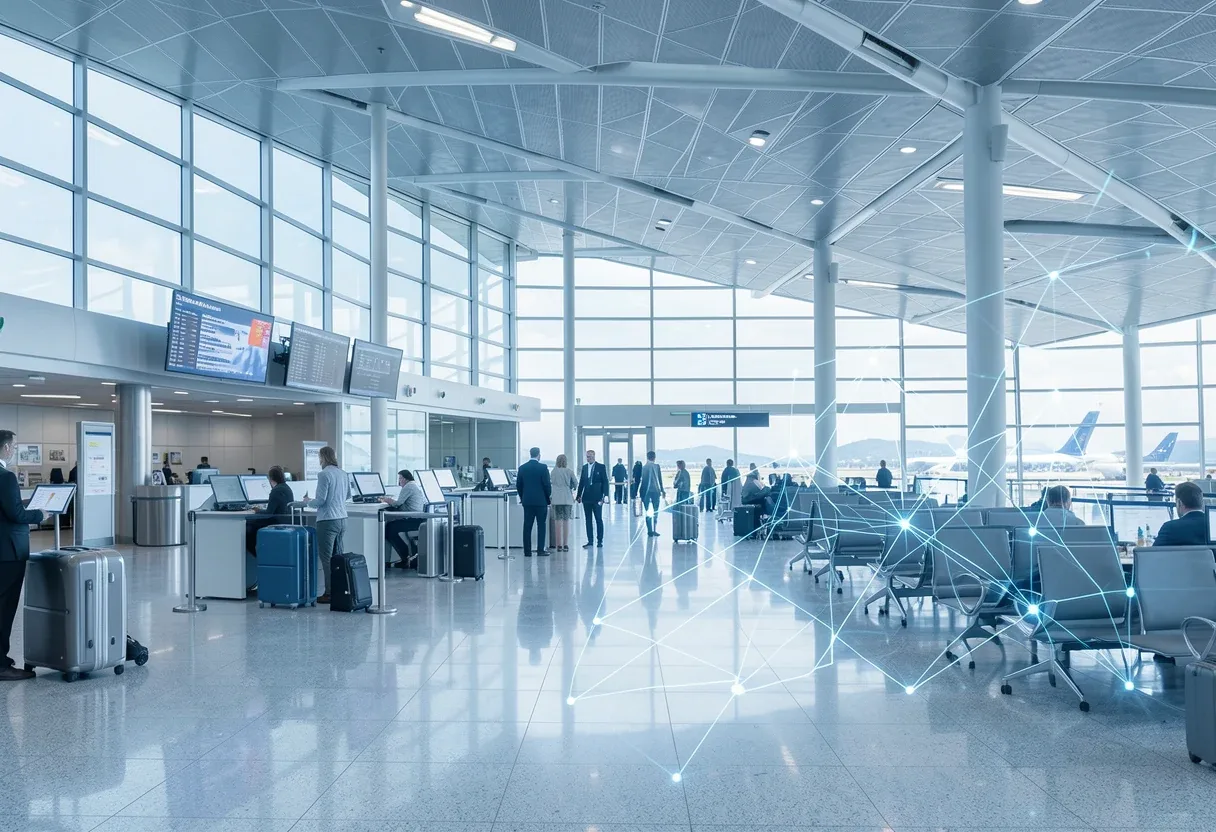
A failure in Italy's data network disrupted airport operations, leaving flights delayed and cancelled, Euronews reports. The outage affected the information systems that airports and airlines rely on to coordinate departures, arrivals and passenger handling.
The incident is the latest in a string of European infrastructure failures this year that have exposed how much of the continent's aviation schedule depends on a small number of data pipelines. When one of those pipelines fails, the consequence is not a single delayed aircraft but a cascading revision of an entire national operations plan.
What does the glitch affect?
The reported disruption centres on network connectivity rather than on air traffic control separation itself. Aircraft remained safe; schedules did not. Passengers experienced the difference as queues at check-in desks, held boarding calls and flights stricken from the day's rotations.
Airports run on a continuous exchange of data between airline departure-control systems, baggage handlers, immigration authorities and airside operations. A network fault interrupts that exchange. Staff fall back on manual processes, which handle a fraction of the throughput that automated systems manage, and the backlog builds within minutes rather than hours.
How do airlines respond?
Carriers facing a systems outage typically prioritise departures that protect downstream connections and aircraft rotations, cancelling short-haul services first because reaccommodating those passengers is cheaper than stranding a widebody load. The operational cost lands unevenly: a cancelled regional hop is an inconvenience, while a missed long-haul departure can disrupt an aircraft's schedule for days.
For network carriers, a national data failure also forces rapid decisions about which European hubs absorb diverted traffic. Slots at those hubs are allocated in advance, and unplanned arrivals consume capacity that other operators had already paid for through their own schedule plans.
Is this part of a pattern?
European aviation has absorbed several comparable incidents in recent years, each involving centralised computing or network infrastructure rather than mechanical failure. Regulators have pressed airports and air navigation providers to document resilience measures, including redundancy and failover procedures, but the industry's economics make full duplication expensive.
The tension is straightforward. Redundant systems sit idle for most of their service life and earn nothing, while a single outage can cost an airport group and its airline tenants more in one day than the redundant hardware would have cost over several years. Boards approve the backup only after the failure, rarely before.
Passengers, for their part, hold rights under EU Regulation 261/2004, which obliges carriers to provide care and, in specified circumstances, compensation when flights are cancelled or heavily delayed. Airlines routinely argue that extraordinary circumstances, including infrastructure failures outside their control, exempt them from compensation. Whether this incident qualifies will depend on the factual record assembled in the coming days.
What happens next?
Operators will restore the network, clear the backlog and file incident reports. The more consequential question is whether ENAV, the airport operators and their telecoms suppliers treat this episode as an argument for hardened, redundant connectivity — or as another cost already absorbed and forgotten.
via Google News: Air traffic control and airspace (Source)
More from Grace Kim
Show full bio
News editor covering companies, deals and strategy in Commercial aviation industry coverage at Flightdeck Report.
465 articles
Same bay
- FDR375Italy Grinds to a Halt: ATC Network Fault Sparks Nationwide Flight Chaos · October 16, 2026
- FDR402ATC Network Failure Grounds Flights Across Italy in Major Disruption · October 16, 2026
- FDR121Network failure in Italian air-traffic control systems disrupts flights · October 16, 2026
- FDR445ATC Failure Grounds Hundreds of Flights, Exposing Aging US System · September 30, 2026
- FDR400Hundreds of US flights disrupted as aging ATC system falters · October 10, 2026