Clearance CLR-5912 · AIR379
AIRJAC
AirportsClearance sheet
Jacobs selected to back an Idaho airport expansion program
Jacobs has been retained for an undisclosed Idaho airport expansion. The engineering firm has not named the facility, scope, contract value or timeline, leaving the award's size to surface only in its next backlog update.
Read-back
- Jacobs has been selected to support an Idaho airport expansion, with no airport, scope, contract value or start date disclosed.
- Jacobs is headquartered in Dallas and listed on the New York Stock Exchange under the ticker J.
- Idaho commercial airports include Boise, Idaho Falls, Pocatello and Twin Falls, served by regional jets and mainline narrowbody aircraft.
- US airport passenger facility charges are capped at $4.50 per ticket.
- Jacobs reports its contracted backlog every quarter, where any material Idaho award would surface.
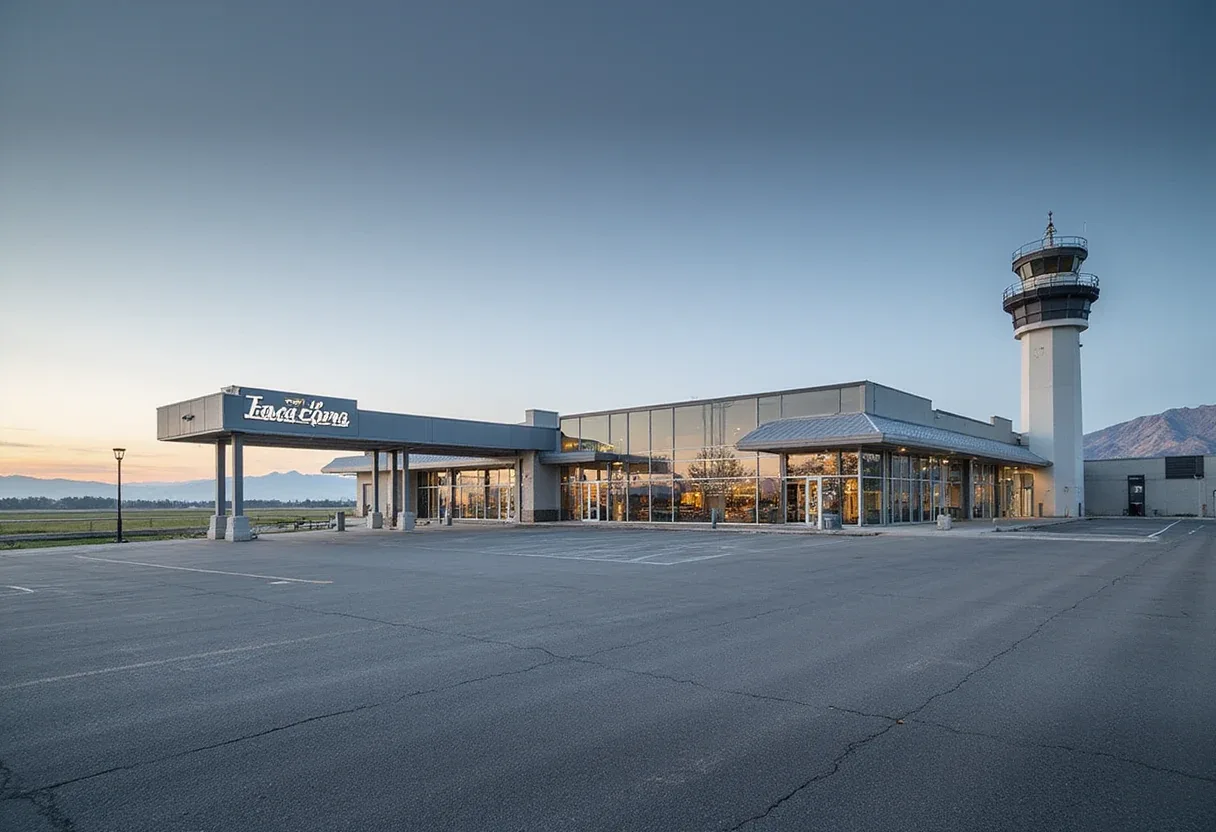
Jacobs has been selected to support an airport expansion in Idaho, the engineering and professional services firm announced. The disclosure names neither the airport, the scope of work, the contract value nor the start date.
Jacobs, headquartered in Dallas and listed on the New York Stock Exchange under the ticker J, provides technical and consultancy services across aviation, water, transportation and environmental sectors. Its aviation practice covers airfield design, terminal planning and program management for airport authorities and airlines.
The company has historically held program management roles on terminal modernizations and airfield rehabilitations at multiple US airports. Airport expansion projects typically follow a multi-year arc from planning through environmental review, design, procurement and construction. Owner-side program managers help coordinate each phase and keep the work on schedule against FAA grant conditions — federal funding that typically carries specific milestone and reporting requirements.
What does the project cover?
The source statement leaves that question unanswered. Airport expansion work typically spans terminal capacity upgrades, runway extensions, or apron expansions. The last refers to the paved areas where aircraft park between flights.
Other common work covers supporting infrastructure, including de-icing pads and ground-service equipment staging. Idaho is served by multiple commercial airports, including Boise, Idaho Falls, Pocatello and Twin Falls, each handling a mix of regional jets and mainline narrowbody service. The release does not identify which facility Jacobs is supporting.
What changes for travelers and operators?
The practical effect depends on the asset in scope. A terminal expansion typically adds gate capacity, which lets an airline add frequencies or substitute larger aircraft on existing slots. For the airport operator, the consequence is higher non-aeronautical revenue — income from retail, parking, food and beverage concessions — which subsidizes the regulated landing fees paid by airlines.
A runway extension opens new aircraft categories, usually wider or longer-range types. Most Idaho airports do not currently have the passenger volumes to justify such service. An apron or cargo expansion changes freight and ground-handling economics, including contracts with the ground service providers that load aircraft and service them on the ramp.
Jacobs' role in such programs is usually owner-side engineering and program management rather than construction. The firm advises the airport authority on phasing, procurement, regulatory engagement with the FAA, and design coordination. It is the kind of work that does not move flight schedules in the short term, but determines how quickly capacity comes online.
What remains undisclosed
The release provides no contract value, no project phase and no completion target. Without those numbers, the dollar exposure for Jacobs and the construction pace at the unnamed airport cannot be assessed. Jacobs reports its backlog — the contracted revenue secured but not yet billed — every quarter, and any material Idaho award should surface in those figures when the company files its next update.
The announcement also omits any partner firms. Jacobs frequently teams with specialty subconsultants on airfield electrical systems, pavement design and environmental permitting. The source does not indicate whether a joint venture is in play.
Source-of-funds is also missing. Most US airport capital programs blend FAA Airport Improvement Program grants with passenger facility charges — a per-ticket fee currently capped at $4.50 that airports collect for eligible infrastructure — alongside bond proceeds. The mix shapes which work items can move first.
Idaho's commercial air service has grown as the Treasure Valley expands around Boise, with new routes added in recent years. A new capacity program at the state's busiest airport would tie directly to that trajectory.
What to watch
Jacobs' next quarterly earnings will reveal whether the Idaho award is material to its aviation infrastructure backlog. Until then, the announcement is a credible signal of new program work, but its scale will only become clear when the next backlog number is published.
via Google News: Airport expansion (Source)
More from Sophie Lindqvist
Show full bio
Senior reporter covering people, launches and day-to-day practice in Commercial aviation industry coverage at Flightdeck Report.
510 articles
Same bay
- FDR625US Airport Expansion Programs Target Capacity Constraints · September 26, 2026
- FDR293Simpson seeks federal funds for Idaho Falls airport expansion · October 15, 2026
- FDR158Billings Logan breaks ground on ticket counters, weighs airport-authority shift · October 10, 2026
- FDR203Gary Readies New Airport Expansion, Community Newspaper Reports · October 10, 2026
- FDR779Sioux Falls Airport Expansion Nears Launch as Construction Phase Approaches · September 27, 2026