Air CargoClearance sheet
Kenya Airways rejects ocean-switch distortion claims in African airfreight
Kenya Airways says African airfreight growth is structural, driven by AfCFTA, e-commerce and US-bound solar charters via Nairobi — not just cargo fleeing congested ocean services.
Read-back
- Kenya Airways rejects claims that African airfreight growth will reverse when ocean capacity normalises
- East African perishables to Amsterdam, London, Paris, Brussels and Frankfurt remain the strongest demand segment
- US-bound solar panel traffic rerouted from Asia has driven charter and ad hoc freighter activity via Nairobi since mid-year
- Carrier cites AfCFTA, e-commerce, pharma and urbanisation as structural demand drivers
- No tonnage, yield or capacity figures accompany the carrier's structural growth claim
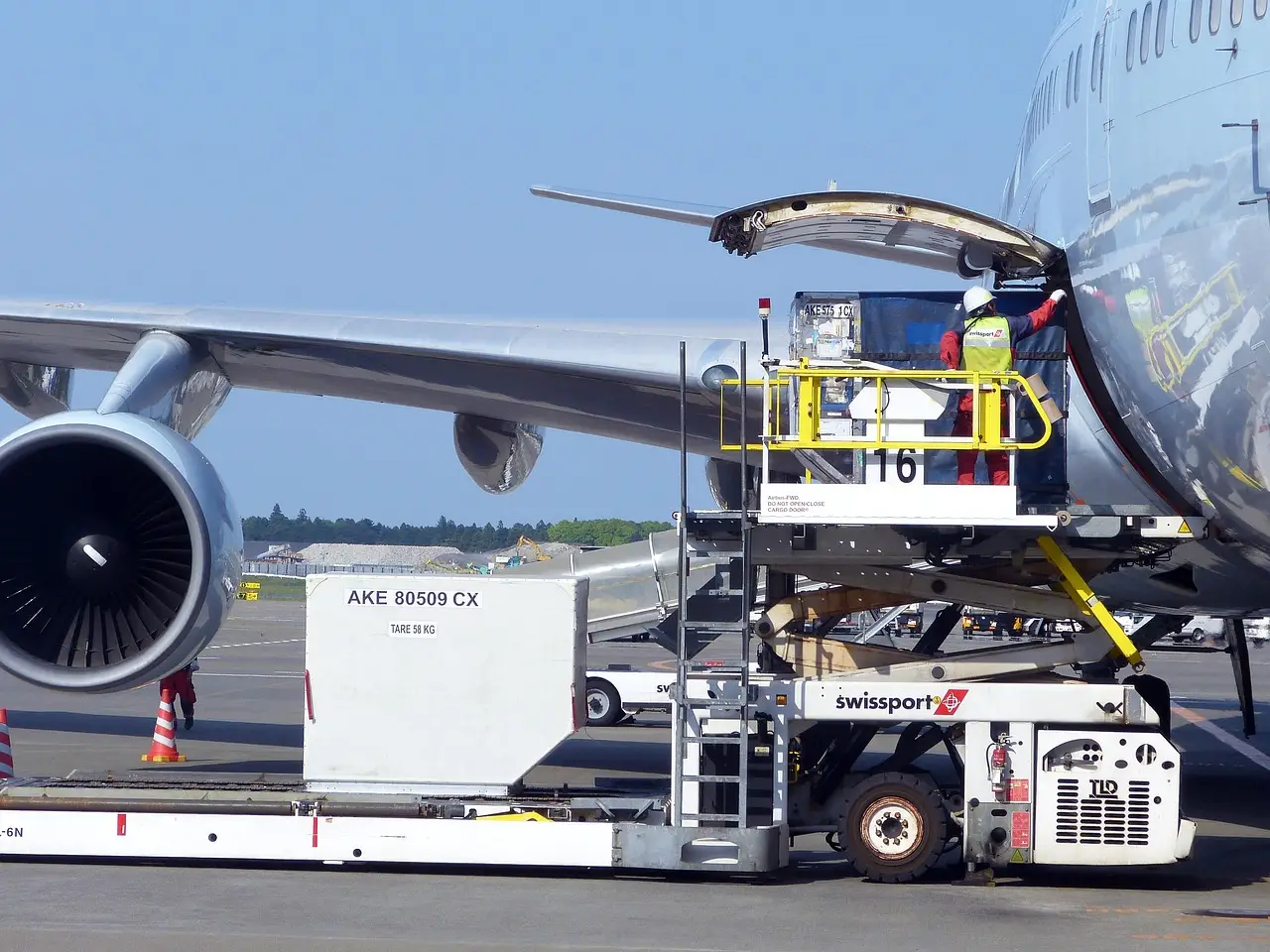
Kenya Airways says the growth in African airfreight demand rests on structural trade shifts, not on the temporary inflow of cargo displaced from congested ocean services. The carrier's position, stated to The Loadstar, directly counters claims from other industry sources that the current demand surge would unwind once sea freight normalises.
The dispute matters commercially. If the demand is cyclical, carriers and freighter operators risk overcapacity when ocean schedules recover. If it is structural, the case for widebody belly capacity, freighter deployments and Nairobi hub investment strengthens.
What does Kenya Airways actually claim?
The airline concedes the temporary component exists. "Some of the recent growth has been linked to temporary market conditions, including supply chain disruptions, seasonal cargo peaks, geopolitical developments, and capacity constraints in competing transport modes," a spokesperson said.
But the carrier draws a hard line at the reversal thesis. "However, we do not expect a complete reversal of the growth currently being observed. The more significant development is the emergence of long-term structural growth drivers," the spokesperson continued.
Those drivers, as Kenya Airways lists them:
- Expanding consumer markets and population growth
- Urbanisation and industrialisation across the continent
- Regional integration under the African Continental Free Trade Area (AfCFTA)
- E-commerce fulfilment and inventory replenishment driven by shorter delivery expectations
The list is a carrier's assessment of its own market. No independent volume figures, yield data or tonnage statistics accompany it. Readers should note the absence of numbers backing the word "structural" — the argument rests on corridor-level observation, not disclosed data.
Where is the demand concentrated?
East African perishables remain the strongest category. Flowers, fresh fruit and vegetables move to Amsterdam, London, Paris, Brussels and Frankfurt — a route profile unchanged in decades, but growing in volume.
Beyond perishables, the carrier reports continued growth in pharmaceuticals, courier and express products, e-commerce shipments, high-value cargo and specialised logistics solutions. Demand is rising on four corridors: Africa-Europe, Africa-Middle East, Africa-Asia and intra-African routes.
Nairobi sits at the centre of this map. The spokesperson positioned the Kenyan capital as a gateway connecting East, Central, Southern and West Africa with international markets — a claim that matches its established role as a perishables export hub, now extended toward connecting traffic.
The solar panel wildcard
The most concrete new flow involves solar equipment. Kenya Airways reports increased movement of solar panels and related equipment destined for the US, routed through East Africa rather than shipped directly from Asia.
The reason is trade policy. Changing tariffs and manufacturers' efforts to diversify sourcing arrangements have created alternative logistics corridors involving East Africa. Since the middle of the year, these movements have generated significant charter and ad hoc freighter activity through Nairobi and the wider region, the carrier said.
This mirrors diversification seen elsewhere in the global supply chain. It is also the most policy-dependent element of the growth story: tariff-driven rerouting can reverse as quickly as it appeared if trade rules shift again.
Promise versus caveat
Kenya Airways does not dismiss the cyclical risk entirely. Some disruption-driven demand could moderate as conditions across competing transport modes normalise, the spokesperson acknowledged.
Still, the medium and long-term outlook holds, in the airline's view. "We see clear evidence of structural growth driven by e-commerce expansion, pharma distribution, perishables exports, regional trade integration, supply chain diversification, and emerging industries," the spokesperson said.
"Collectively, these trends position African air cargo for continued growth in the years ahead," they added.
The evidence base is a carrier's reading of its own booking patterns, presented without tonnage, capacity or yield figures. The charter activity through Nairobi since mid-year is the hardest signal in the story. Whether the structural claim survives an ocean-freight recovery remains the open question for anyone allocating freighter capacity to African corridors in 2025.
via The Loadstar (Source)
More from James Calloway
Show full bio
Staff writer covering people, launches and day-to-day practice in Commercial aviation industry coverage at Flightdeck Report.
731 articles
Same bay
- African Airlines Post 3.0% Cargo Demand Growth in August · September 29, 2026
- African Air Cargo Capacity Grows 14% Against 3% Demand Rise · October 1, 2026
- Boeing Forecasts Africa's Airline Fleet Doubling by 2045 · October 9, 2026
- IATA reports 14% rise in African air cargo capacity for August · October 10, 2026
- Africa air cargo rates climb 27%, tightening capacity for shippers · October 13, 2026