Clearance CLR-1947 · AIR996
AIRKOD
Aircraft & EnginesClearance sheet
Kodiak Designer Targets $2.25 Million Utility Turboprop With Reach AC-6
Reach Aviation targets $2.25 million for the PT6A-34-powered AC-6, Tom Hamilton's follow-up to the Kodiak — but no certification or delivery timetable exists yet.
Read-back
- Reach Aviation targets a $2.25 million price for the turboprop AC-6.
- Initial certification is planned with a Pratt & Whitney Canada PT6A-34 engine.
- Hamilton's Kodiak received FAA certification in 2007 after Quest Aircraft's 1999 founding.
- A second variant would use a new 600-650 hp Ascent Engine Technologies 12-cylinder diesel.
- No certification or customer-delivery timetable has been published.
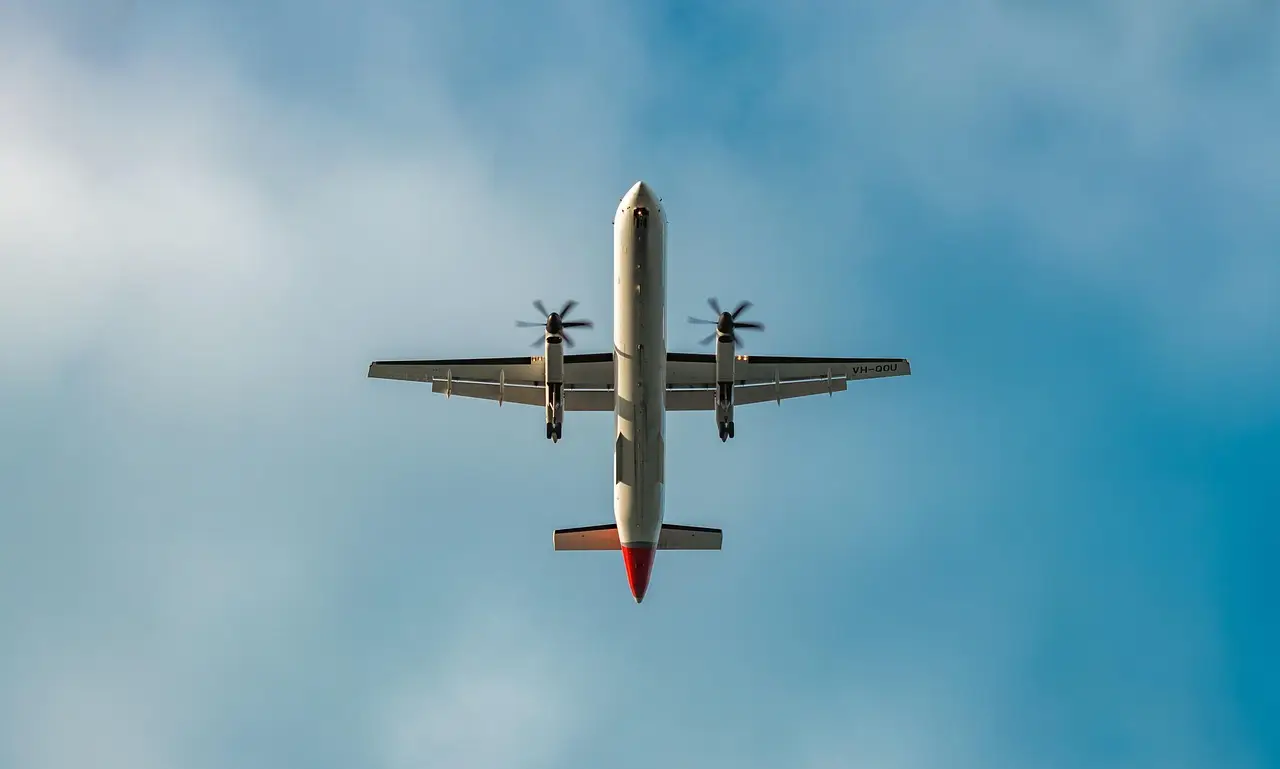
Reach Aviation has set a $2.25 million target price for the AC-6, an eight- to nine-seat utility aircraft it says will fill the gap between worn-out Beavers and Cessna 206s and more expensive turbines like the Kodiak. The Idaho company, founded in 2017 by Kodiak designer Tom Hamilton, published a design overview but no certification or delivery timetable. The aircraft remains in development.
Hamilton has completed this climb before. He founded Quest Aircraft in Sandpoint, Idaho, in 1999 and brought the 10-seat Kodiak through FAA certification in 2007. Daher now produces that aircraft. His earlier ventures included Stoddard-Hamilton Aircraft, maker of the Glasair and GlaStar kitplanes, and composite-float manufacturer Aerocet. Reach, based in Priest River, Idaho, is led by CEO Samuel Spear, a mechanical engineer who has worked with missionary aviation organizations including JAARS and the Mission Aviation Training Academy. Hamilton serves as Founder and Board Director.
Who is the aircraft for?
Reach aims the AC-6 at missionary groups, small commercial operators and private owners. The company's market case rests on maintenance economics, not performance figures. Corrosion, structural fatigue and limited parts availability make aging utility fleets harder to sustain, particularly for operators working in remote countries. What does this change for those operators? On paper, a sub-$2.5 million turbine alternative. In practice, nothing yet — no customer deliveries are scheduled and no prototype milestones have been announced.
What powerplants are planned?
Two versions are proposed, both burning Jet-A:
- Initial certification with a Pratt & Whitney Canada PT6A-34 turboprop
- A second variant using a new 12-cylinder diesel from Ascent Engine Technologies, listed in the 600-650 hp range
Reach describes the AC-6 as the intended launch aircraft for Ascent's engine. That adds schedule risk. A new engine and a new airframe each carry certification risk; combined, they multiply it. Neither Ascent nor Reach has published a timeline for the diesel variant.
How does the design address maintenance?
The AC-6 uses a steel-tube fuselage frame covered by removable composite panels. Mechanics can pull the panels to inspect and repair fuel lines, flight controls and other systems. The windshield is also designed for quick removal, giving access behind the instrument panel. Reach says these features reduce the labor involved in inspections and repairs and keep aircraft available for service. Dispatch-reliability claims, however, remain unsupported — the type has no operating record.
The cabin offers eight feet of usable space behind the pilots, configured for passenger seats, cargo or medical transport equipment. The design overview specifies a 42-inch cargo door, an optional door on the opposite side and an optional external cargo pod. Float attachment points are planned for every airframe.
What happens next?
Reach said it is seeking investment partners to advance the AC-6. That disclosure says much. A company with committed funding rarely advertises for it. The absence of a certification timetable means any price target, engine pairing or capability claim rests on design intent rather than a certified, flying product. Hamilton's Kodiak track record took roughly eight years from founding to FAA certification. Investors and operators will reasonably ask whether the AC-6 can match that pace, and Reach has not yet said.
via AeroTime (Source)
More from James Calloway
Show full bio
Staff writer covering people, launches and day-to-day practice in Commercial aviation industry coverage at Flightdeck Report.
584 articles
Same bay
- FDR562AAR to buy Aircraft Reconfig Technologies for $35m in cash · October 9, 2026
- FDR179Vertical Aerospace opens £1.5 million Valo assembly line at Cotswold Airport · September 30, 2026
- FDR205SITA to Buy Collins Aerospace Airport Solutions, Closing Set for H1 2027 · October 15, 2026
- FDR432FAA Clears BETA Technologies to Carry Customers Aboard ALIA eVTOL · October 21, 2026
- FDR920Airforwarders Association appoints Airlink's Steve Smith as CEO · September 28, 2026